

Photo: CEA Akumal
MAR Fund thanks all our partners whose unwavering support and collaboration have been key in achieving our collective objectives
Photo: TIDE
Supported by the German Cooperation through KfW, eight projects were successfully approved during the second call for proposals, strengthening regional conservation efforts.
On November 13, during the 2025 National Congress on Biological Diversity organized by Guatemala’s CONAP, MAR Fund hosted a strategic parallel session titled “Exchange of Experiences in the Implementation of Innovative Tools for Control and Surveillance in MAR Protected Areas”. The event convened 25 representatives from 20 marine protected areas across Mexico, Belize, Guatemala, and Honduras. Participants shared critical lessons on innovative technologies and coordination mechanisms. This exchange strengthened regional collaboration and enhanced collective capacity for sustainable management of the Mesoamerican Reef System through shared knowledge, improved monitoring, and stronger partnerships.
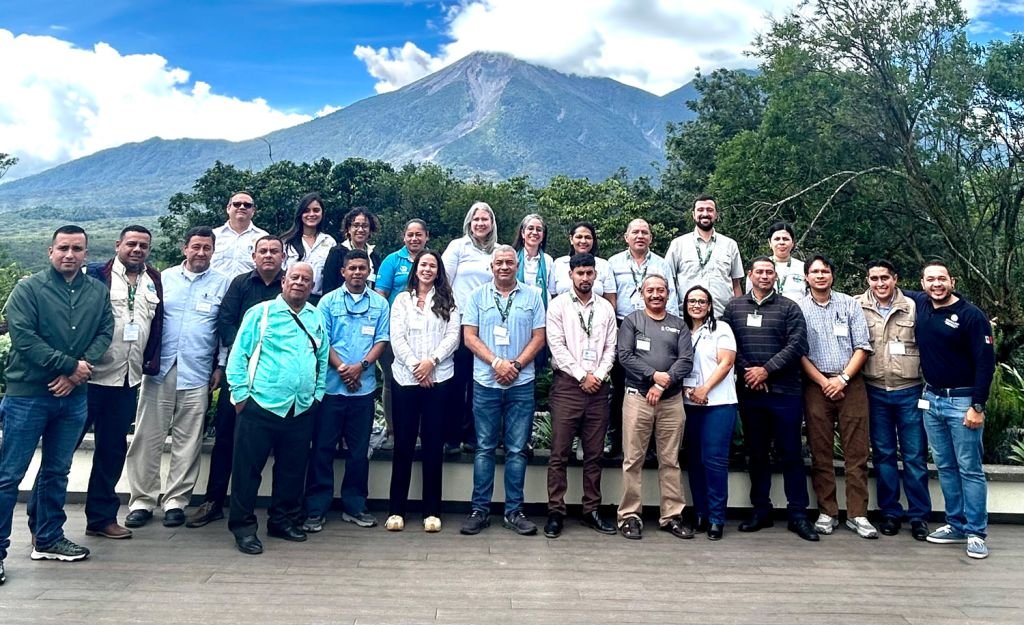
Photo: MAR Fund.
Fundación Comunitaria Cozumel I.A.P. (FCC)
Objective: Increase management effectiveness of Cozumel’s four CMPAs by 20% by 2027, in five management components of the effectiveness index, resulting in improved conservation and sustainable use of the ecosystem services on which the population depends.
First semester:
- The project expanded surveillance and monitoring capacity across the Coastal Marine Protected Areas (CMPAs) by acquiring a truck, an all-terrain vehicle (ATV), a water pump, seven bicycles with protective gear, ten binoculars, a telescope, and two computers.
- Collaborative efforts included five planning meetings with community groups to coordinate wildlife monitoring on Cozumel Island.
- The Kanan Ka’ax group conducted 14 terrestrial fauna surveys, while the GO! Aves Group completed four bird surveys to track local biodiversity.
- Eleven training courses on best environmental practices reached 217 tourism service providers, strengthening the local commitment to sustainable resource management.
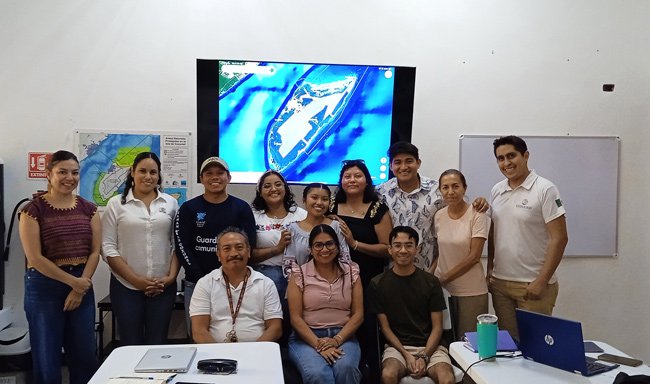
Photo: MAR Fund
Second Semester:
- The project expanded its field presence by acquiring a mobile control station for the Mezcalitos visitor checkpoint.
- A formal evaluation rated the management effectiveness of the Selvas y Humedales de Cozumel reserve at 61.11 percent.
- Annual health assessments for coral reefs and seagrass were completed in partnership with Corales Vivos de Cozumel and Healthy Reefs for Healthy People.
- Community monitoring documented eight mammal and 121 bird species through 231 trap-camera days and 23 bird surveys.
- Outreach reached 1,427 participants—including 1,139 children visiting mangroves—and the initiative supported the XIII Mexican Coral Reef Congress through organization, technical talks, and public workshops.
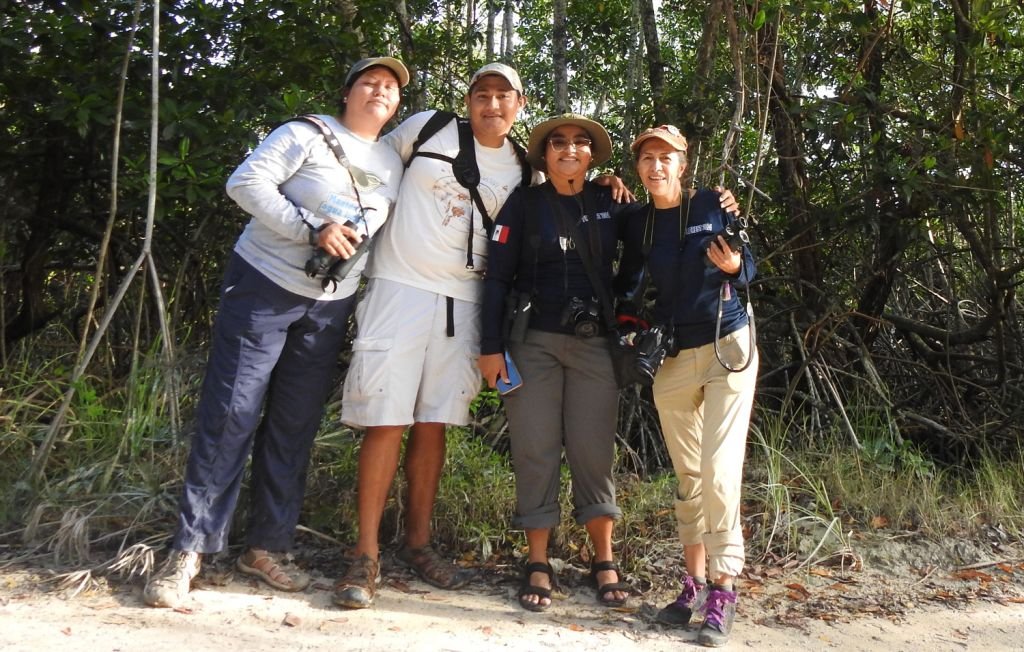
Photo: GO! Aves
National Commission of Natural Protected Areas (CONANP in Spanish)
Pronatura Península de Yucatán, A.C. (PPY)
Objective: Strengthen, by the year 2027, 80% of the actions of four subprograms (Protection, Management, Restoration and Knowledge) of the Management Programs of the Isla Contoy National Park and the Caribe Mexicano Biosphere Reserve, which significantly promote the conservation and sustainable use of their marine-coastal resources.
First Semester:
- The project expanded field capacity by acquiring a truck, an all-terrain vehicle (ATV), handheld radios, long-range flashlights, an underwater camera, and protective cases to strengthen surveillance and enforcement.
- Nine staff members from Isla Contoy National Park (PNIC) and the Caribe Mexicano Biosphere Reserve (RBCM) completed a PROFEPA-led workshop on environmental legal frameworks, citizen complaints, and species rescue protocols.
- To support restoration objectives, five staff members initiated open water training in May, while one team member began advanced diving certification.
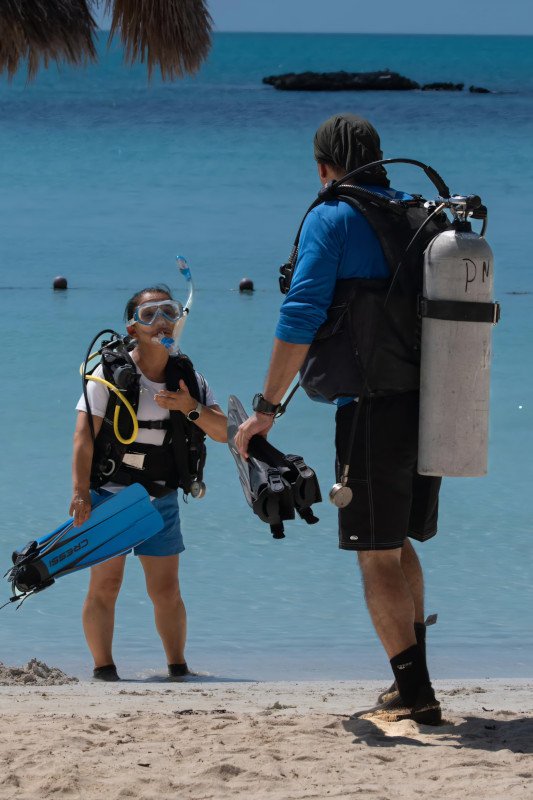
Photo: CONANP-PNIC
Second Semester:
- The project acquired an outboard motor with safety gear, eight diving sets, an underwater camera, kayak seats, and paddles to strengthen surveillance, monitoring, and enforcement in the protected areas. Additional equipment included two cell phones, two long-range flashlights, and operational protective equipment to enhance field operations.
- Five personnel obtained PADI Open Water diving certifications and two completed the necessary courses for their seafarer’s licenses to build organizational capacity.
- In September, an experience-sharing event facilitated collaboration between approximately 60 participants from five Mexican and four Belizean protected areas, alongside three community groups, to improve regional management strategies.
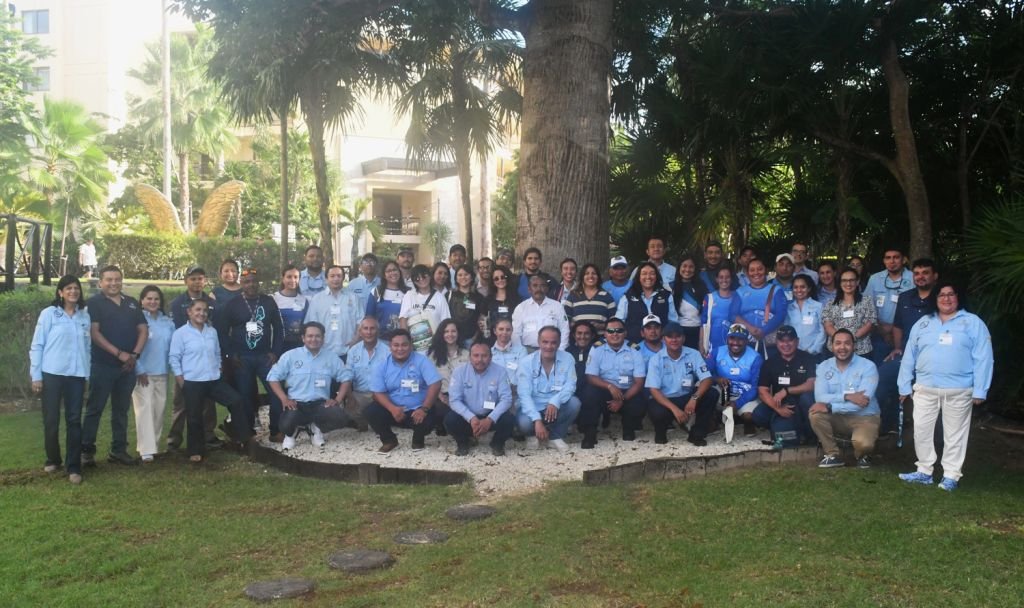
Photo: Paloma Ladrón de Guevara
National Commission of Natural Protected Areas (CONANP in Spanish)
Flora, Fauna y Cultura de México, A.C. (FFCM)
Objective: By 2027, strengthen the management actions of the Arrecife de Puerto Morelos National Park (PNAPM) and increase by 100% the area of actions for the restoration of reefs and coastal dunes with measures to adapt to climate change and with the active participation of the different sectors of society.
First Semester:
- The project expanded technological capacity for surveillance and monitoring by procuring 10 camera traps, 2 laptops, and a motorized boat.
- Staff completed training on drone operation and image analysis in January to improve site patrolling.
- Collaboration with the Kanan Kay alliance provided training for park rangers, the Mexican Navy, and civil society on protected area regulations and surveillance.
- Two best-practices workshops reached 24 tourism service providers.
- In April, one staff member successfully finalized training in the Atlantic and Gulf Rapid Reef Assessment (AGRRA) monitoring method
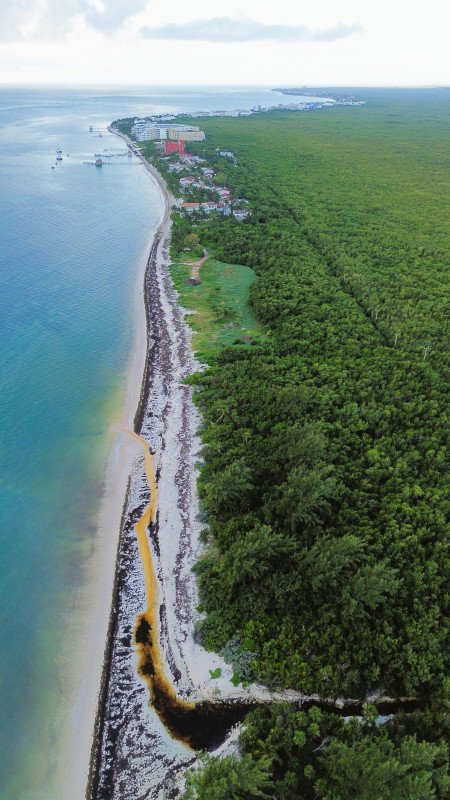
Photo: CONANP-PNAPM/Enrique Gallegos Aguilar 2025
Second Semester:
- The project strengthened surveillance, monitoring, and enforcement in the protected area by acquiring two 4×4 vehicles, signage materials, and personal protective equipment.
- Three key consultancies supported the development of Environmental and Social Action Plan instruments and evaluated coastal dune and coral restoration action.
- Project staff presented evaluation results to the PNAPM Advisory Council to enhance management transparency.
- Capacity building included one team member obtaining PADI Open Water diving certification and specialized training in reef-related crime reporting.
- Additionally, one staff member attended the professional training required to secure a seafarer’s license.
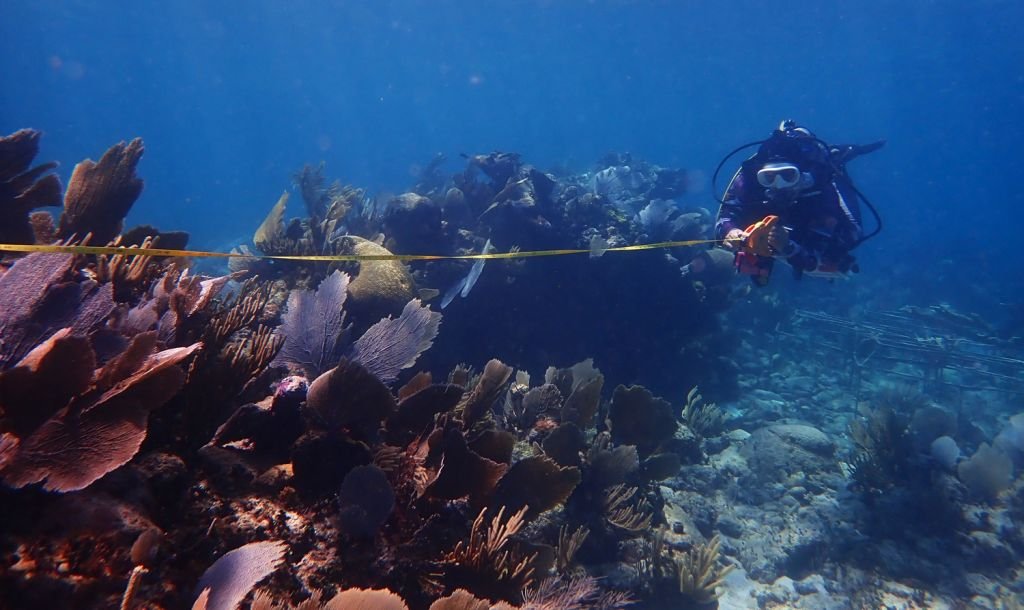
Photo: Sergio Guendulain García
Turneffe Atoll Sustainability Association (TASA)
Objective: To maintain or enhance the management effectiveness of Turneffe Atoll Marine Reserve to at least 75% by 2026 by improving adaptive management, surveillance, enforcement, education, outreach, and conservation finance. This aims for sustainable resource use and long-term recovery of commercial species.
First Semester:
- TASA improved operations and monitoring within the protected area by procuring three Android smart devices, six Yamaha-200 outboard motors, two vessels, and a boat trailer.
- Two staff members promoted the reserve as a low-impact ecotourism destination at the Travel & Adventure Show in Dallas, Texas.
- The team installed 44 demarcation buoys along fish replenishment zones to enhance spatial management and resource protection.
- The organization engaged the public through education campaigns, Reef Week, school presentations, and boat-to-boat initiatives.
- Nineteen staff members completed specialized training in maritime navigation, safety at sea, and effective communication.
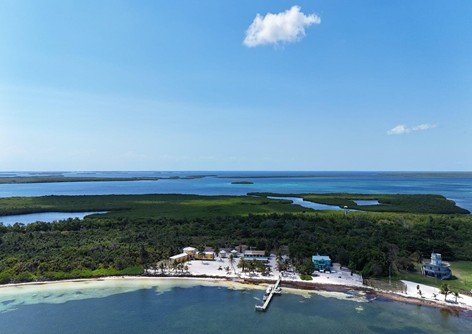
Photo: Andres Aldana, TASA.
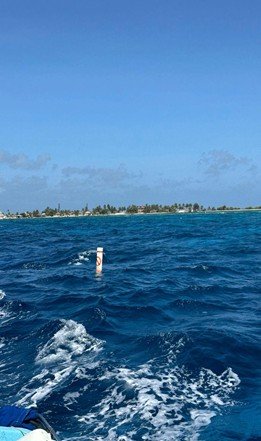
Photo: Andres Aldana, TASA
Second Semester:
- Staff finalized the installation of 50 demarcation buoys and acquired a marine drone to improve enforcement and surveillance activities within the reserve.
- Outreach efforts reached 1,503 individuals through an educational trip, an Annual General Meeting, boat-to-boat initiatives, and a community fair.
- Biological monitoring activities included coral bleaching, lobster and conch surveys, fisheries catch, mangrove and seagrass assessments, and the biennial Coral Reef Ecosystem Health Assessment.
- Seven staff members earned certification as Police Special Constables following training to strengthen legal enforcement capacity.
- A representative promoted the reserve as a low-impact ecotourism destination during the DEMA show in Florida.
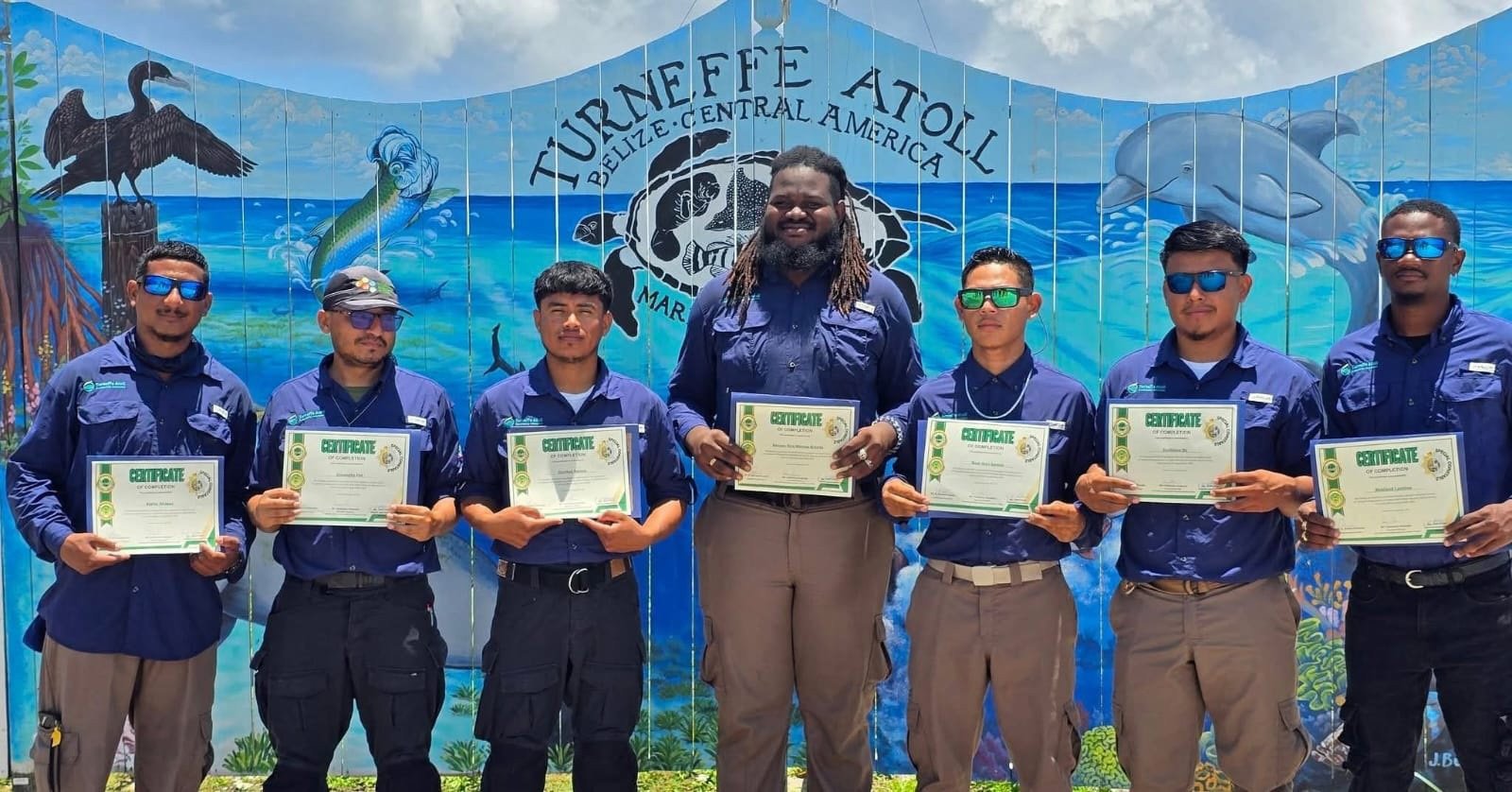
Photo: TASA
Toledo Institute for Development and Environment (TIDE)
Objective: To increase protection and biodiversity conservation of commercial species, coral reefs, and legally established FSAs within SCMR including the Elbow and Cayman Crown site by the end of 2026.
First Semester:
- Purchasing two laptop computers for the biologist and communications specialist improved overall operational capacity.
- A fisher forum held in Punta Gorda during February engaged 45 participants from Punta Gorda, Barranco, Monkey River, Punta Negra, and Cattle Landing.
- The project coordinator completed specialized Project Management training to support efficient and high-quality project implementation
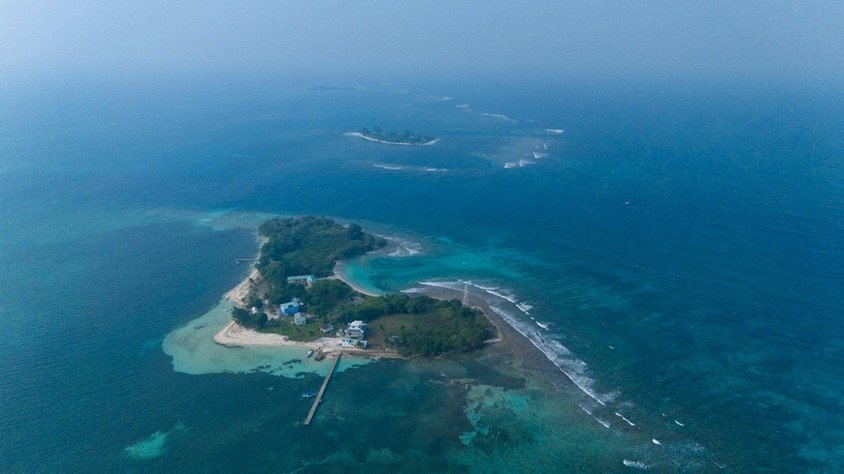
Drone footage of Hunting Caye, Sapodilla Cayes Marine Reserve
Photo: TIDE
Second Semester:
- The project modernized critical infrastructure at the Hunting Caye station by upgrading the solar system from 20kw to 40kw.
- Four community researchers and three marine rangers earned dive certifications, and one biologist qualified as a dive instructor to improve monitoring and buoy maintenance.
- A seaweed soap production pilot project launched in Monkey River, engaging 15 women in sustainable development.
- An August knowledge exchange with PROLANSATE, AMATELA, and CCO strengthened regional strategies for education, outreach, and stakeholder engagement.
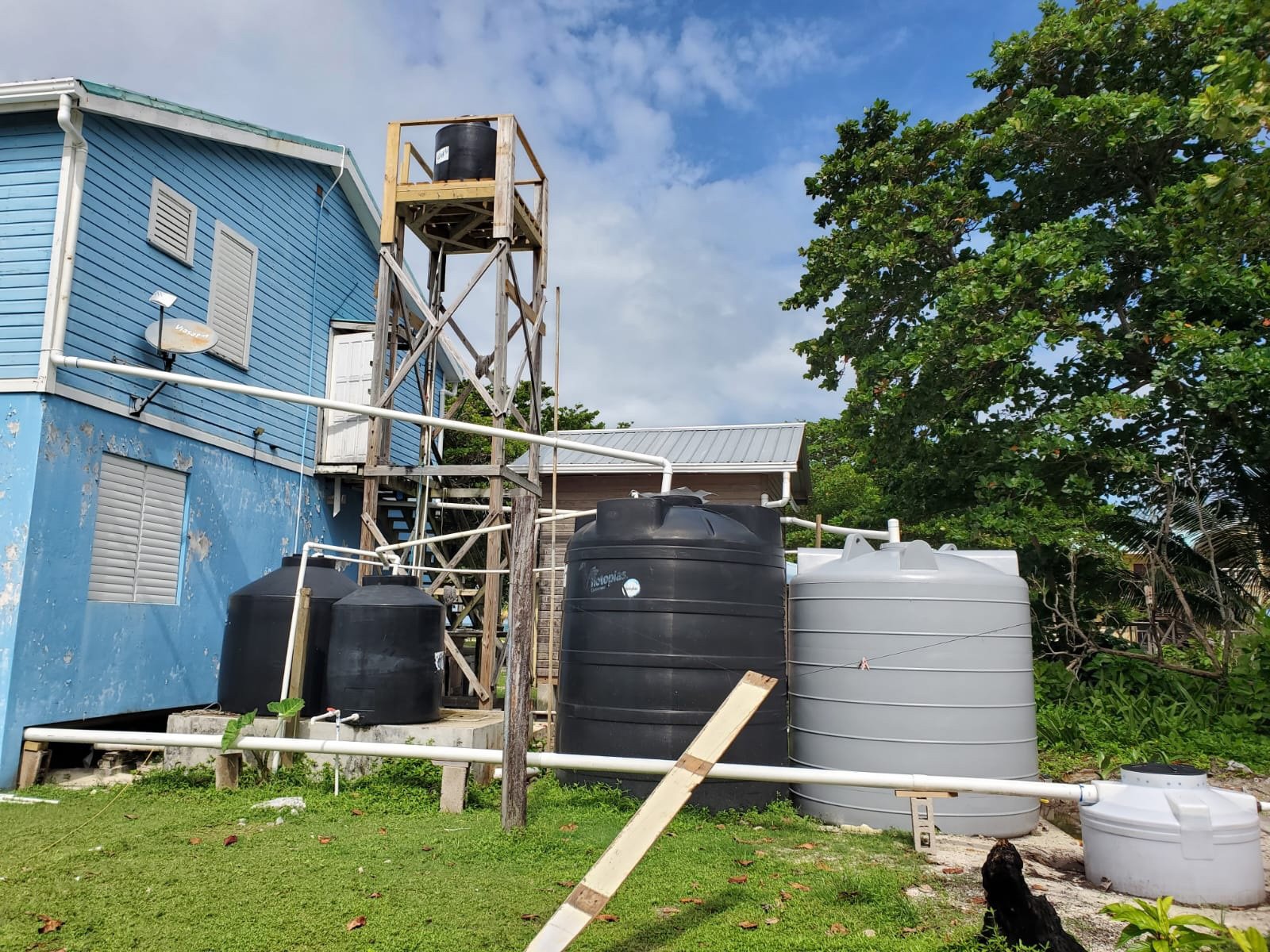
Upgraded existing water system, installation of water filtration system and wastewater treatment system at Hunting Caye ranger station
Photo: Eliceo Cobb
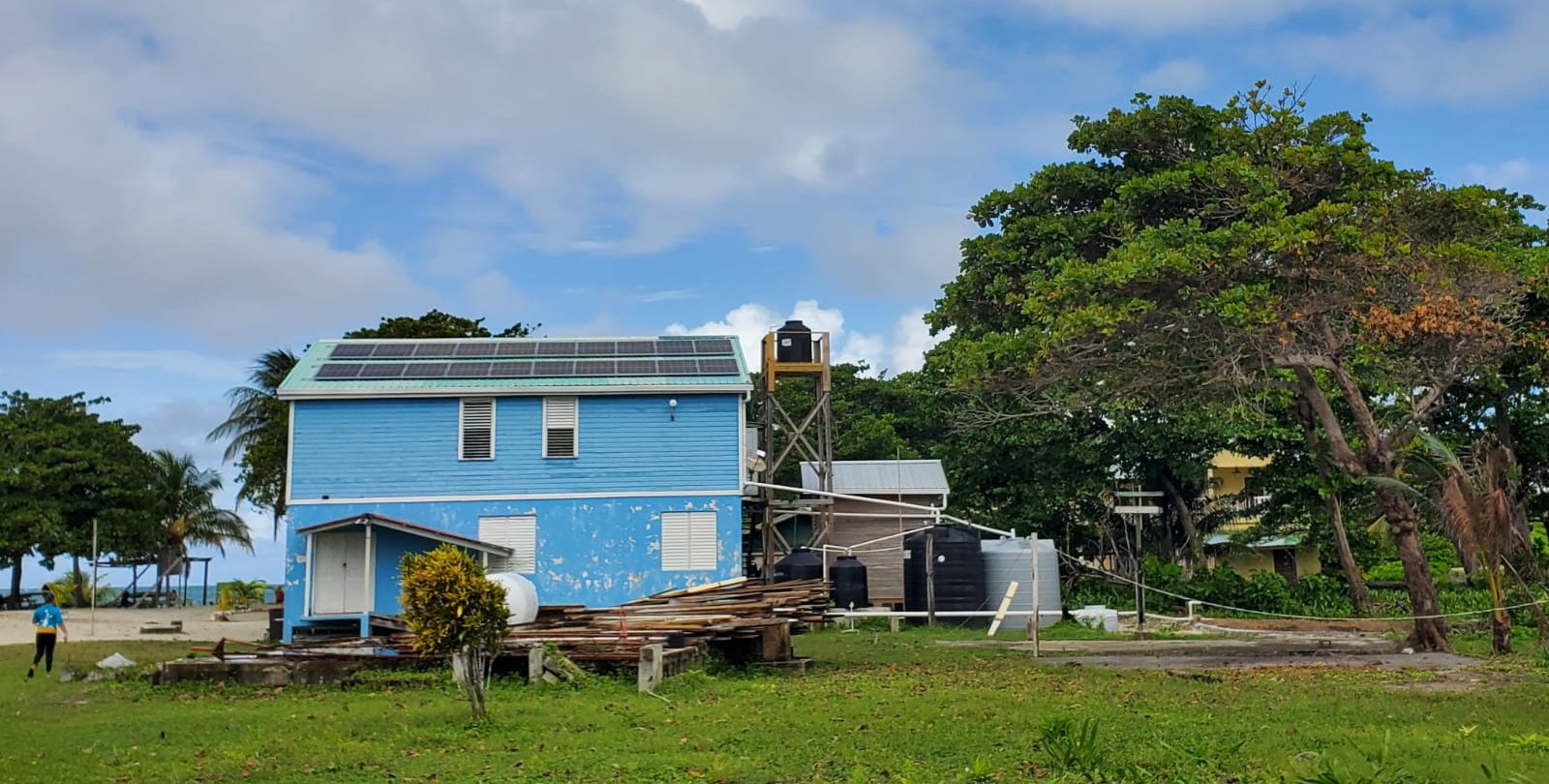
Photo: Eliceo Cobb
Southern Environmental Association (SEA)
Objective: Improve management effectiveness of the Gladden Spit and Silk Cayes Marine Reserve (GSSCMR) by the end of 2026, contributing to the eco-regional success of Coastal Marine Protected Areas (CMPAs) of the Mesoamerican Reef System (MAR).
First Semester:
- Eight community researchers currently support the project by collecting new field data on fish landings, commercial species, corals, and spawning aggregation sites to inform management decisions.
- The team successfully concluded the initial Knowledge, Attitudes, and Practices (KAP) survey for the stakeholder communities, conducting interviews with 710 individuals to understand local perspectives.
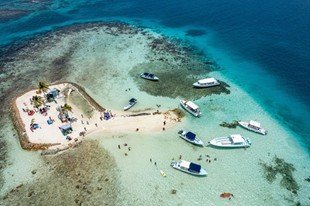
Drone footage of South Silk Cayes, Gladden Spit & Silk Cayes Marine Reserve
Photo: Untame Belize Tours
Second Semester:
- Nine community researchers monitored catch landings, corals, and commercial species to support local data collection.
- To enhance surveillance, the project procured four Yamaha outboard engines and rehabilitated the CMPA pier, solar housing, and dive shop.
- The newly formed conservation, protection, and enforcement (CPE) team held its inaugural meeting in July.
- In August, four CPE members and six staff received specialized training on Long Range Camera maintenance and operation.
- Education campaigns reached 132 individuals, while the new Eco-group program began recruiting high school and college students.
- Ten SEA and three SACD staff participated in a September knowledge exchange focused on governance and community conservation strategies.
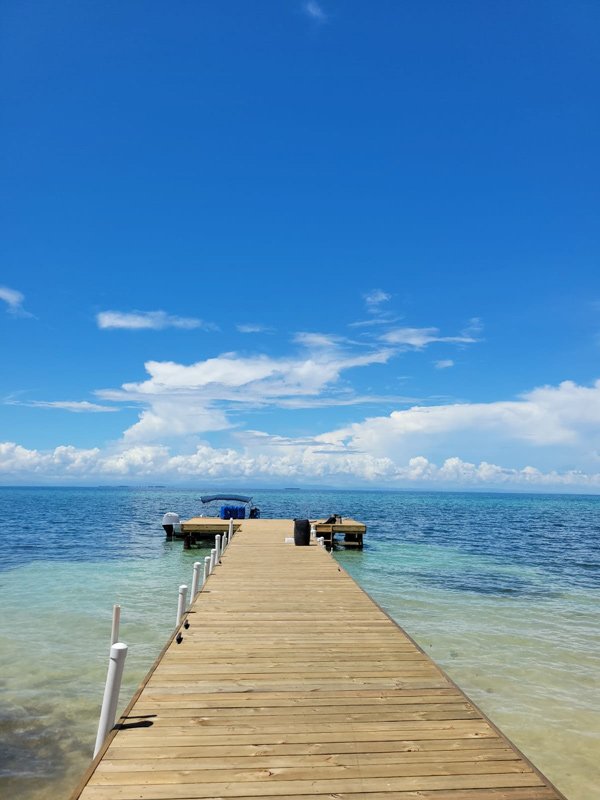
Rehabilitated pier at Little Water Caye – Gladden Spit & Silk Cayes Marine Reserve
Photo: Calvin Gonzales
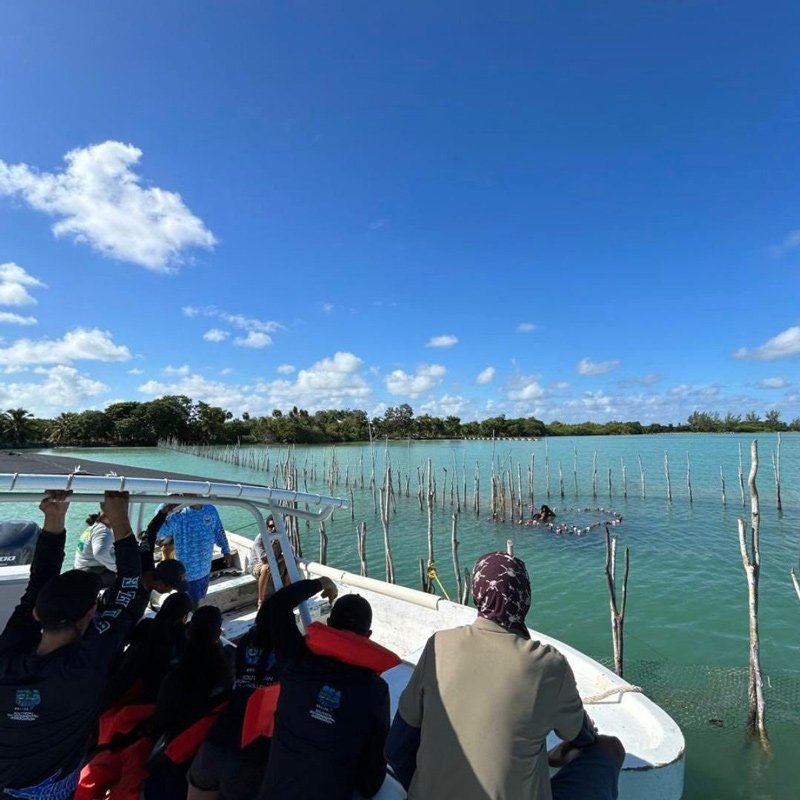
SEA and SACD knowledge exchange exercise held at Corozal Bay Wildlife Sanctuary.
Photo: SEA
Fundación Defensores de la Naturaleza (FDN)
Objective: By 2027, the Bocas del Polochic Wildlife Refuge (RVSBP) management decisions are based on evidence and management tools developed in a participatory manner by key stakeholders, resulting in strengthened environmental and social governance of the area.
First Semester:
- The project strengthened biological monitoring and surveillance by purchasing two vehicles and seven computers, including a specialized unit for GIS spatial analysis to identify restoration sites.
- Stakeholders reactivated the Co-Management Committee for Protected Areas of the Northeast region to improve regional governance.
- This initiative successfully re-established the Bocas del Polochic Wildlife Refuge (RVSBP) Advisory Council and defined new strategic routes for implementation.
- The committee analyzed major threats to the protected area, focusing on social conflicts and the environmental impact of trawling in Lake Izabal.
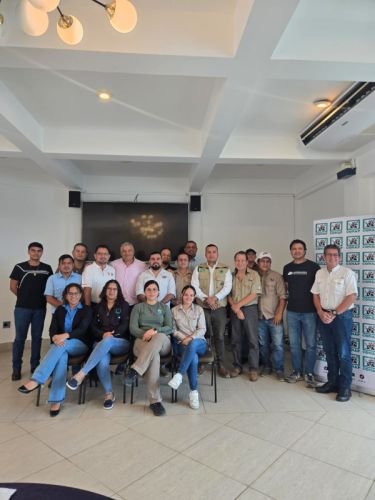
Participants Co-Management Committee for Protected Areas of the Northeast Region.
Photo: CONAP
Second Semester:
- The project conducted four workshops with key local institutions, such as CONAP and AMASURLI, to disseminate and validate monitoring methodologies for birds, fish, manatees, and water quality.
- A fully equipped temporary fire brigade, consisting of 11 men and one woman, began operations to respond to forest fires within the refuge.
- The initiative strengthened the Artisan Fishermen’s Association of the Guaritas Community by purchasing a motorized cart for their fish sausage trade.
- Additionally, the project provided a dugout canoe to the Bocas del Polochic Farmers’ Association to facilitate the transport of their products.
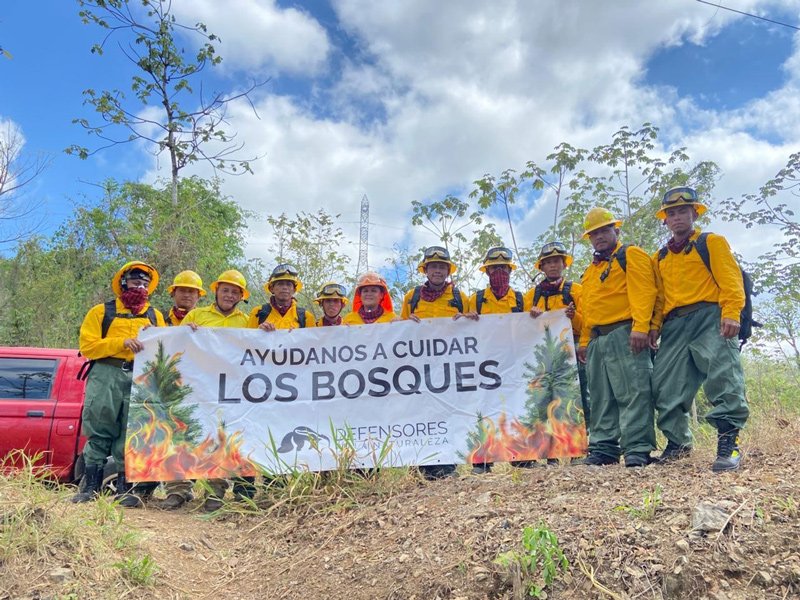
Fire brigade to respond to forest fires in the Bocas del Polochic WR.
Photo: Oscar Machuca v
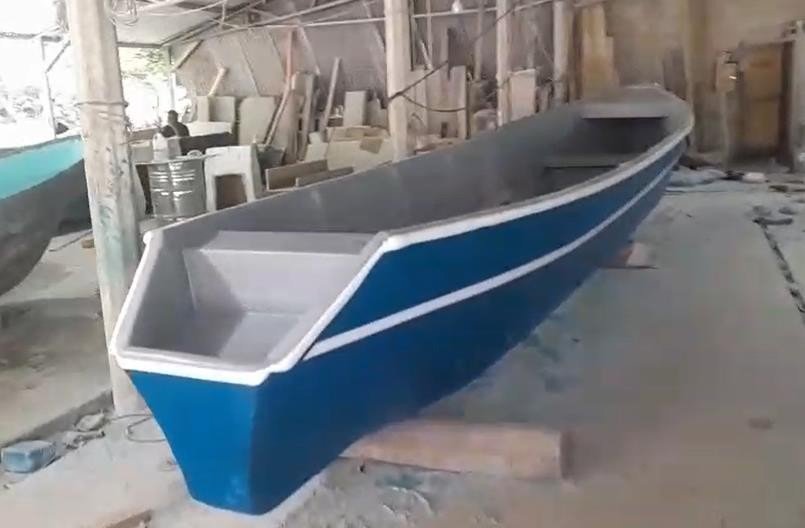
Dugout canoe of the Bocas del Polochic Farmers’ Association.
Photo: Luis Barrientos
Fundación para el Ecodesarrollo y la Conservación (FUNDAECO)
Objective: By 2027, progress has been made toward the long-term sustainability of the Cerro San Gil Watershed Reserve through the strengthening of management capacities and tools, as well as increased participation and benefits for local stakeholders.
First Semester:
- The project strengthened biological monitoring, control, and surveillance by acquiring five computers, two boats with outboard engines, and staff uniforms.
- This equipment also supports essential technical and administrative operations within the Cerro San Gil Watershed Reserve.
- FUNDAECO attended two sessions of the Cerro San Gil Local Executive Council and two meetings of the Agrarian Conflict Roundtable.
- These engagements focused on resolving land-related challenges affecting local communities within the protected area.
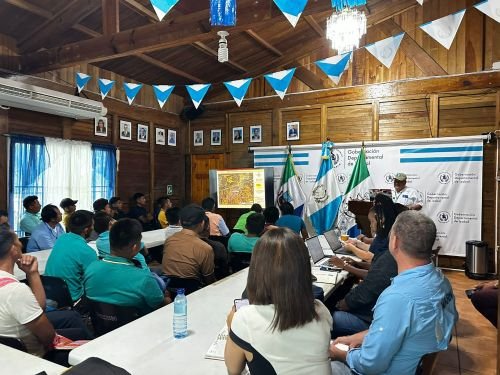
Participants Agrarian Conflict Roundtable
Photo: Erick Aldana
Second Semester:
- FUNDAECO conducted an experience-sharing exchange with CONAP staff from the Río Dulce National Park. The organizations agreed to hold bimonthly meetings to exchange information on shared issues, including control, surveillance, and fisheries recovery zones.
- The team completed the Financial Sustainability Plan and the Master Plan for the Development of Ecotourism Sites for the Cerro San Gil Protected Springs Reserve. These strategic documents will support increased revenue generation while ensuring the sustainable use of the reserve’s natural resources.
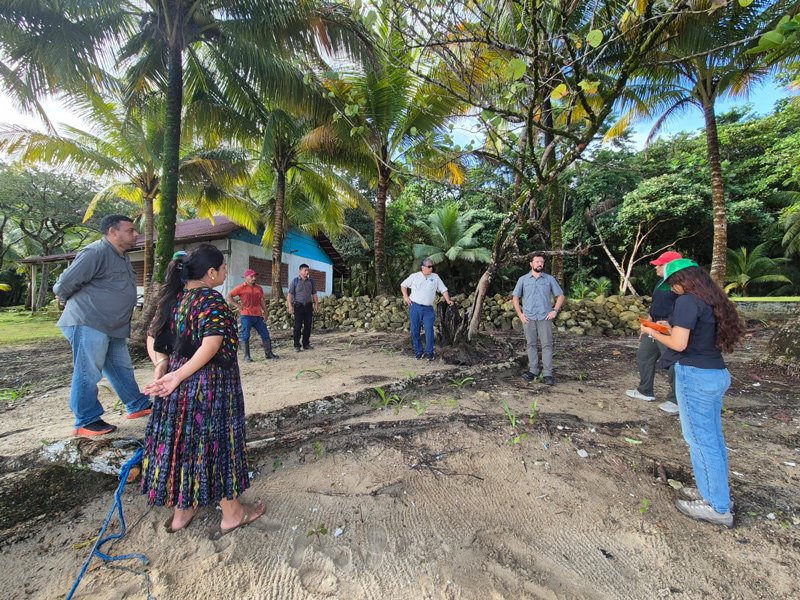
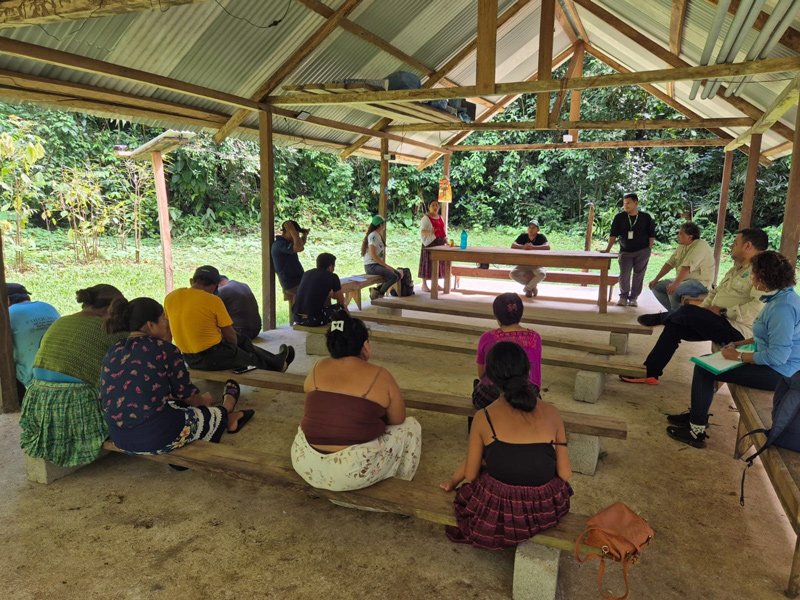
Participants of the Experience Exchange between CONAP Río Dulce and FUNDAECO Cerro San Gil staff.
Photo: FUNDAECO
Consejo Nacional de Áreas Protegidas (CONAP)
Alianza de Derecho Ambiental y Agua (ADA2)
Objective: By 2027, consolidate an inclusive governance model that promotes the conservation of priority ecosystems, spheres of influence, and partnerships to improve the integrated and sustainable management effectiveness of two APMCs by at least 10%, while implementing a financial mechanism to stimulate the local economy.
Project Progress:
- The directors of the Punta de Manabique Wildlife Refuge and the Río Dulce National Park, alongside the CONAP Nororiente Regional Director, participated in the National Congress on Biological Diversity and Protected Areas.
- The event, held at Finca San Cayetano in Sacatepéquez, facilitated a comprehensive exchange of knowledge and experiences concerning Guatemala’s natural heritage and cultural richness.
- The congress successfully promoted strategic actions for the conservation, restoration, and sustainable management of the region’s biodiversity.
- Over 600 people attended the gathering, with participants arriving from Mexico, Belize, and Honduras to support regional conservation efforts.
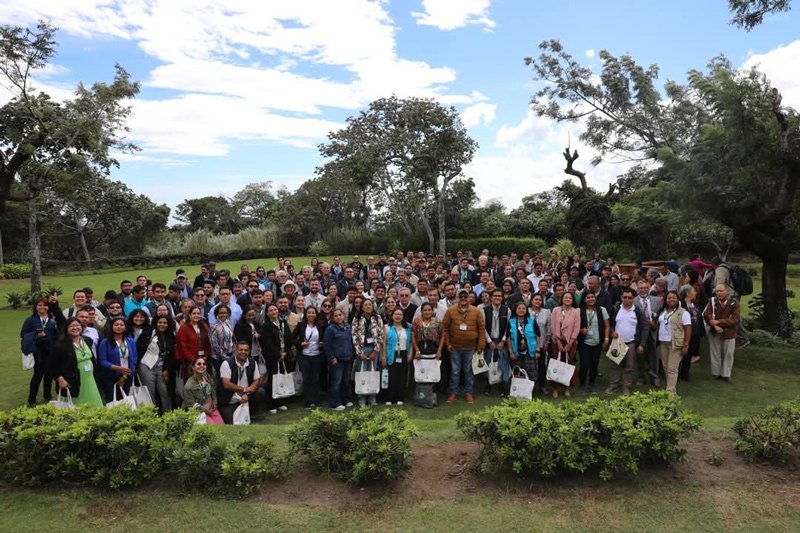
Participants of the National Congress on Biological Diversity and Protected Areas.
Photo: CONAP
Fundación para el Ecodesarrollo y la Conservación (FUNDAECO)
Objective: By 2028, the protection of key ecosystems and the connectivity of the Mesoamerican Reef System (MAR) will have been strengthened through improved management capacities, local stakeholder participation and benefits, and enhanced coordinated efforts among the Rio Sarstún Multiple-Use Area, the Punta de Manabique Wildlife Refuge, and the Corona Caimán Closure Zone.
Project Progress:
- The project organized and implemented the National Marine–Coastal Symposium at San Cayetano Farm in Sacatepéquez, Guatemala, with approximately 100 participants.
- Participants established strategic commitments and immediate actions, including pursuing the approval of the new Fisheries and Aquaculture Law in the Congress of the Republic.
- The initiative also focuses on securing formal approval for three new protected areas: Corona Caimán in the Caribbean coast of Guatemala and Tecojate–Tiquisate, and Manchón Guamuchal in the Pacific coast.
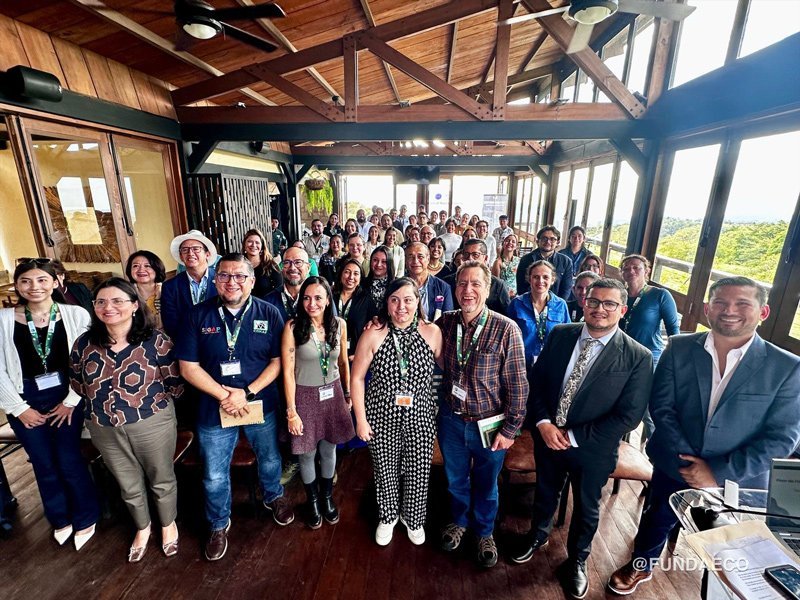
Participants of the National Marine–Coastal Symposium
Photo: FUNDAECO
Bay Island Conservation Association (BICA)
Objective: By 2026, improve the conservation of Michael Rock and its areas of influence, fostering safe spaces for citizen participation and empowerment, and developing actions that contribute to identifying sustainable livelihoods and the active involvement of key stakeholders who use science for decision-making.
First Semester:
- BICA’s Board of Directors formally developed and approved a Gender Policy to promote inclusion and institutional equity within the organization and the project.
- Two monitoring activities were conducted in Guanaja as part of a population study on queen conch and spiny lobster.
- The study evaluated ecological conditions at four sites—Grahams Caye, Clarks Caye, Long Reef, and Michael Rock—to compare conservation impacts inside and outside no-take zones.
- A capacity-building workshop on the AGRRA protocol was held in Roatán for 18 technicians involved in managing Coastal Marine Protected Areas
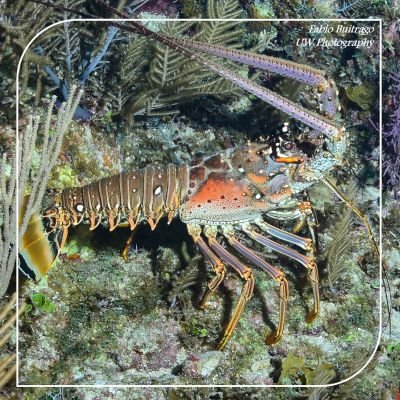
Spiny lobster (Panulirus argus)
Photo: Fabio Buitrago
Second Semester:
- Throughout 2025, the project conducted five mangrove restoration activities in the North East Bight Lagoon, the airport canal sector, and El Bight in Guanaja, restoring 0.73 hectares.
- A capacity-building workshop held from November 16 to 23 at the Jungle River Lodge in La Ceiba trained 45 participants on safeguards and the organization’s gender policy. Attendees included staff from BICA Roatán, Guanaja, and Utila, alongside board members and community scientists from Roatán.
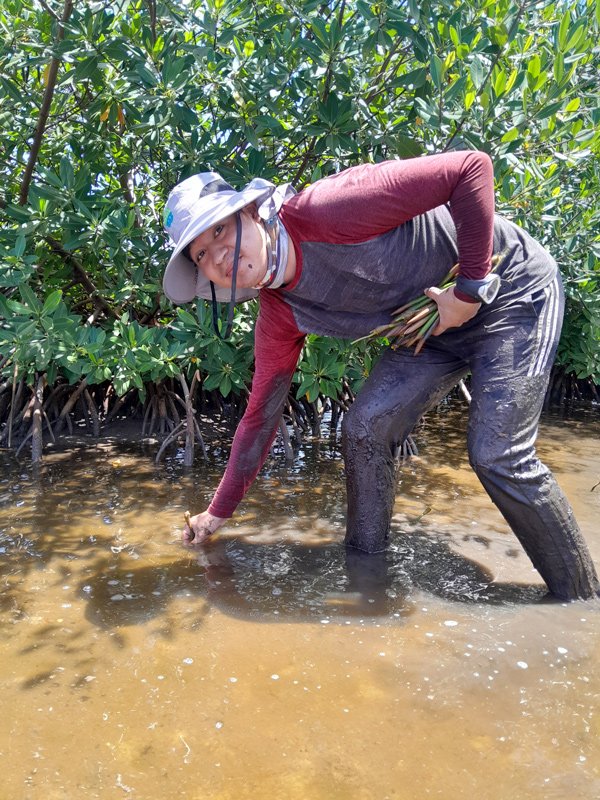
Orlin Rivas, BICA Guanaja staff member, reforesting red mangrove.
Photo: Daniela Sansur
Fundación Cuero y Salado (FUCSA)
Objective: Improve the ecological integrity of the Cuero y Salado Wildlife Refuge by addressing key threats to conservation targets through the implementation of a coastal connectivity model and effective governance starting in 2024.
First Semester:
- Six technical staff members were certified at various diving levels by the Tela Divers Center to strengthen marine monitoring in the protected area.
- Two reforestation events in the Salado Barra Community resulted in the planting of 493 mangrove and native species, with support from students and local residents.
- Researchers collected tissue samples from fish landings for stable isotope analysis of carbon, nitrogen, and sulfur to study ecosystem connectivity through trophic structure.
- Water quality data was also gathered to analyze environmental conditions influencing trophic and connectivity dynamics.
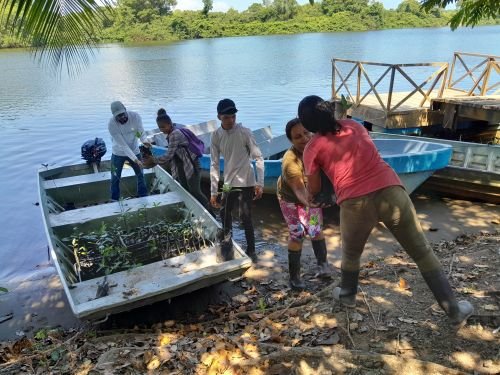
Mangrove reforestation in the Cuero y Salado Wildlife Refuge by FUCSA and community members.
Photo: Daniela Sansur
Second Semester:
- Thirteen participants from six organizations received training in passive monitoring of fish spawning aggregation sites and hydrophone use. The training, held from August 25–30, was organized by FUCSA and delivered by COBI for a group of five women and eight men.
- Four training sessions on family gardens in Boca del Toro and Salado Barra benefited 62 community members. These sessions, involving 23 men and 39 women, covered gardening basics and seed identification with support from MAMUCA technicians. Participants received tools and seeds initially, with additional supplies distributed following the completion of the first harvest.
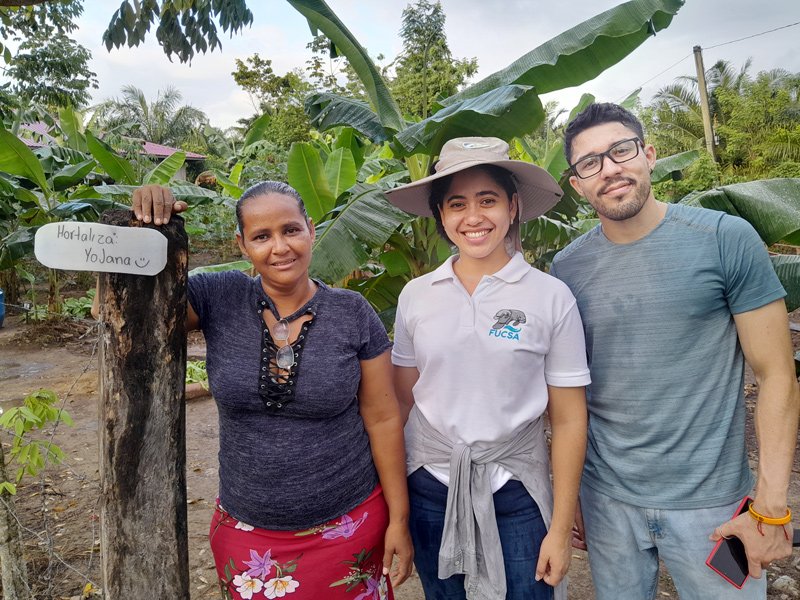
Visit to Yojana’s family garden in the Boca del Toro Community. On pic: Yojana Martínez, Carmen Pérez (FUCSA) and Roberto Perdomo (FUCSA).
Photo: Daniela Sansur
Asociación Amigos de los Arrecifes de Tela (AMATELA)
Objective: Strengthen the management capacities of key stakeholders of the RVSMBT and its surrounding protected areas to contribute to the conservation and sustainable use of natural resources in the MPAs by 2026.
First Semester:
- Staff socialized the project and its grievance mechanism in the San Juan and La Ensenada communities to foster local transparency and engagement.
- The board of directors formally approved AMATELA’s gender policy and action plan, while administrative personnel completed specialized training in financial management and the national invoicing system.
- In coordination with the Fisheries Management Committee, the project held workshops on lagoon fishing bans and best practices across the Hicaque, Negra, Micos-Quemada, and Diamante lagoons.
- These outreach efforts in the lagoons were further supported by the installation of informational signage and the distribution of press releases.
- Technical representatives from AMATELA, CORAL, Tela Marine, and Tela Divers participated in intensive training on hydrophone use and fish spawning aggregation monitoring led by Roatan Marine Park.
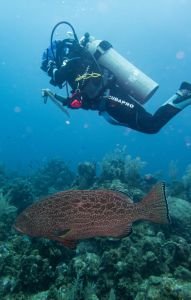
Fish spawning aggregation monitoring training for the co-managers of the Bahía de Tela Marine Wildlife Refuge
Photo: Mario Motiño
Second Semester:
- AMATELA organized a seagrass monitoring workshop from September 20 to 22. Eight representatives from SERNA, ICF, UMA, PROLANSATE, CORAL, Tela Marine, and AMATELA participated in the training provided by CURLA.
- The workshop successfully facilitated the validation of the seagrass monitoring protocol for Bahía de Tela.
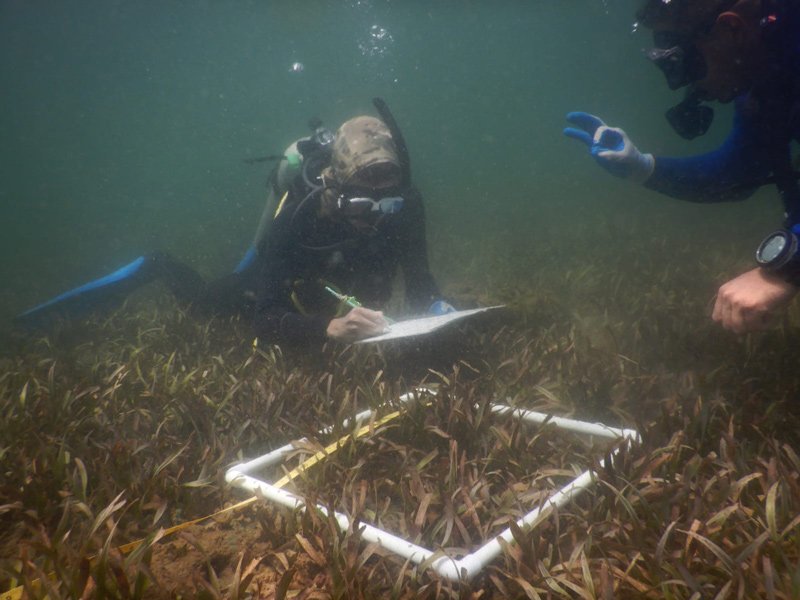
Seagrass monitoring workshop in the Bahía de Tela Wildlife Refuge.
Photo: AMATELA.
Fundación Cayos Cochinos
Objective: By strengthening the surveillance system, community participation and governance, and the implementation of research, fish reproduction in the Roatán Bank No-Take Zone within the Cayos Cochinos National Marine Monument will continue through 2026, and the biological connectivity of fish with the Cuero y Salado Wildlife Refuge and the Bahía de Tela Wildlife Refuge will be better understood.
Project Progress:
- From November 24 to 30, Fundación Cayos Cochinos and COBI held a community-based exchange on fish spawning ground conservation in Punta Allen, Sian Ka’an Biosphere Reserve, Mexico.
- Participants included five community members and four staff members from the Cayos Cochinos Foundation, joined by local leaders from Punta Allen.
- The exchange emphasized hands-on learning to demonstrate the vital link between natural resource conservation and the local economy.
- Leaders from the fishing cooperative shared insights into the alternative livelihoods they are developing, such as birdwatching and mangrove tours.
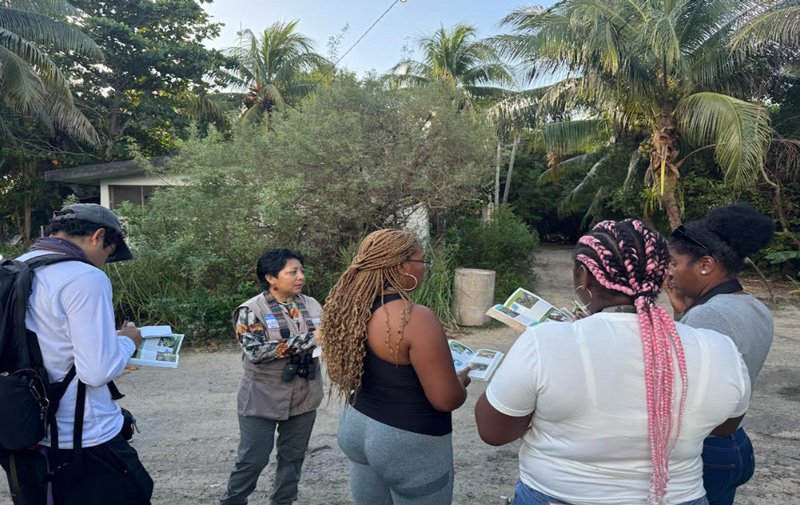
Exchange of experiences between COBI and the Cayos Cochinos Foundation on the management of fish spawning aggregation sites.
Photo: Cayos Cochinos.
Red de Fondos Ambientales de Latinoamérica y el Caribe (RedLAC)
Costa Rica por Siempre
Objective:To strengthen RedLAC’s operational and financial structure, ensuring its long-term permanence.
Project Progress:
- In accordance with RedLAC’s strategic direction and the implementation of its 2024-2030 Strategic Plan, the Executive Committee convened for an in-person meeting in San Salvador, El Salvador. This meeting was part of RedLAC’s legal transition towards its consolidation as a 501(c)(3) entity. The meeting addressed key structural issues relating to the governance, sustainability, and institutional positioning of the network. The objective was to align its operations and standards with the new functions projected for RedLAC Inc.
- A series of five virtual sessions was conducted for the coastal marine learning community. During these, leading experts presented on a range of topics including climate change, sustainable artisanal fisheries, program evaluation, monitoring, and invasive species. Thirty individuals representing various environmental funds participated. This community is led by the Conservation Strategy Fund, the Conservation Finance Alliance, and Zamia Media.
Guatemala
Objective: By the end of 2027, natural resource governance practices, environmental sanitation, local entrepreneurship and climate change resilience strategies ensure the protection of 415 hectares of tropical forest in the Rio Sarstún Multiple Use Area (RSMUA) and an improvement in the living conditions of the community members.
First Semester:
- EcoLogic Development Fund submitted four new forest incentive files to CONAP and the National Forest Institute (INAB), covering a total of 151.69 hectares of mangrove and tropical forest.
- Through theoretical and practical sessions, 24 participants (including 10 women) from three communities were trained to use the Global Forest Watch app to track deforestation and fire alerts.
- The project successfully implemented four community women-led ventures: dual-purpose poultry in Sarstún Abajo, and pig fattening initiatives in Blue Creek, Sarstoon Creek, and Tapón Creek. These ventures provided 66 beneficiaries with necessary livestock, feed, and equipment to support their local entrepreneurship.
- Nineteen participants from five women-led ventures received specialized training in pig management and care.
- The community of Barra Sarstún was briefed on and formally validated the feasibility study plan for wastewater management.
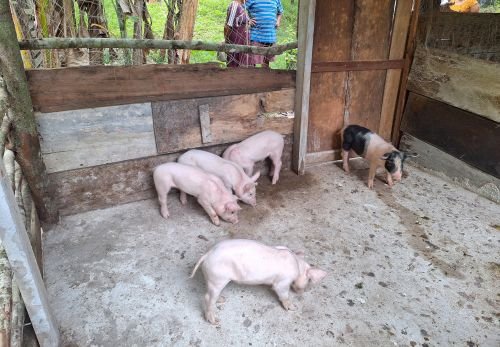
Photo: EcoLogic
Second Semester:
- Technology kits (cell phones with accessories and updated apps) were provided to leaders of the Barra Sarstún, San Juan, and Buena Vista Tapón Creek communities to support forestry monitoring using the Global Forest Watch app.
- Fifteen agroforestry promoters took part in a crop management workshop and were supplied with backpack sprayers for the application of organic fertilizer.
- Four individuals from EcoLogic and APROSARTUN engaged in an exchange visit with BALAM to study agroforestry systems, forest conservation, and various livelihood initiatives.
- Women’s groups from Sarstún Creek and El Naranjal completed a legal regularization process by updating their boards and receiving municipal recognition.
- Ten young students attended a workshop on greywater filtration and successfully constructed 11 artisanal filters.
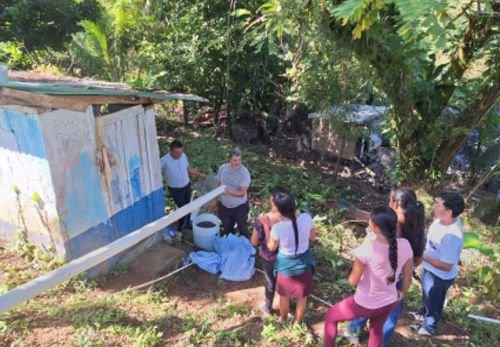
Photo: EcoLogic
Fundación para el Eco-desarrollo y la Conservación (FUNDAECO)
Guatemala
Objective: By 2025, the sustainability of conservation efforts of the beach and forest system of the Río Sarstún Multiple use Area has been strengthened through the sustainable and inclusive development of the Reserve’s ecotourism site Guaira-Cocolí Coastal Natural Area.
First Semester:
- Regular clean-up campaigns were conducted at the proposed ecotourism site in La Guaira-Cocolí to remove solid waste and sargassum.
- A site visit was held to prepare documentation for an environmental impact assessment of a proposed pier, and the file was submitted to CONAP for approval.
- CONAP visited the site in early 2025 to conduct an evaluation of the pier project.
- FUNDAECO and Amantes de la Tierra established a joint work plan to develop a Tourism Impact Monitoring Protocol, which includes long-term monitoring, habitat characterization, and impact indicators.
- An initial site visit was carried out in February 2025 to collect baseline data on water quality, soil, coastal dune topography, and local flora and fauna.
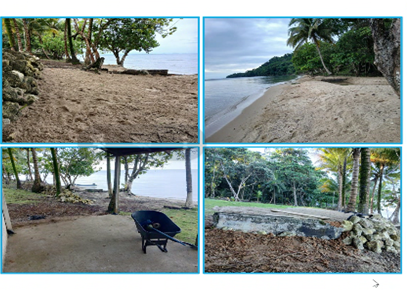
Beach cleanups in the Reserve’s ecotourism site Guaira-Cocolí Coastal Natural Area.
Photo: FUNDAECO
Second Semester:
- Four new rangers were hired, trained, and equipped to strengthen internal collaboration, surveillance, and control activities in the area.
- The project was socialized to 127 residents in neighboring communities, including Punta Cocolí, Guaira Cocolí, Barra Sarstún and Barra Cocolí.
- Of these residents, 23 completed a socio-economic survey to provide insight into their living conditions.
- The Punta Cocolí Women’s Committee was formally established, and its Board of Directors was selected.
- Two environmental education workshops were conducted, reaching a total of 145 students.
- Water quality monitoring was carried out at sea and at nearby water sources. While most parameters were suitable for tourism activities, spring water and lagoon sites require ongoing monitoring due to acidic pH and potential nutrient accumulation.
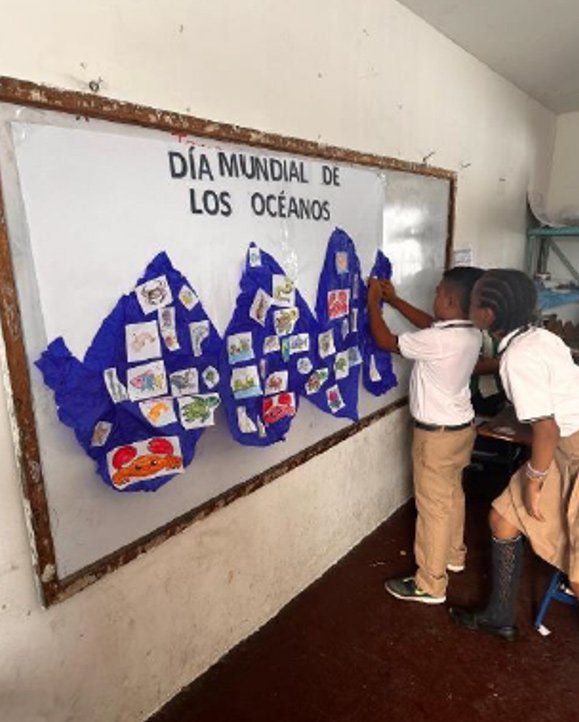
Environmental education workshops
Photo: FUNDAECO
Comunidad y Biodiversidad A.C. (COBI)
Mexico
Objective: By 2025, the capacities of 20 women and youths have been strengthened in financial, digital, and ocean literacy to develop projects for marine conservation and sustainable fisheries in federal Protected Natural Areas (PNAs) in the Mexican Caribbean.
First Semester:
- COBI conducted two virtual meetings; the first aimed to socialize the project with 15 attendees, and the second focused on digital financial tools with nine participants.
- An in-person workshop on financial management and savings was held in Cancún, Quintana Roo, for 15 participants from local communities.
- The workshop covered various topics, including regenerative financial management, personal and family budgeting, cost calculation, financial control, digital financial tools, and funding sources.
- On June 23, COBI launched the “Financial Resilience for Women and Youth of the Sea” request for proposals (RfP).
- This initiative seeks to strengthen the financial and digital capacities of fishing communities in the Mexican Caribbean, with seed funding to be awarded to the top two initiatives.
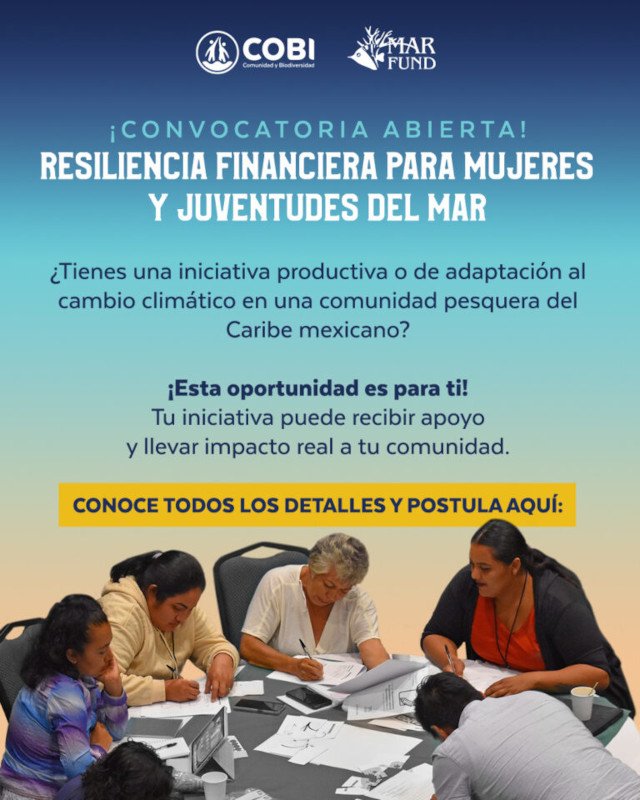
“Financial Resilience for Women and Youth of the Sea” RfP flyer.
Photo: COBI
Second Semester:
- Four project participants from Banco Chinchorro, Cozumel, and Xcalak attended the “International Blue Economy and Blue Growth Forum” to gain knowledge on blue economy trends and connect with other fishing communities in Mexico.
- The selection committee for the “Financial Resilience for Women and Youth of the Sea” call was established and is responsible for evaluating proposals to select the two projects that will receive seed funding.
- A total of seven proposals were received: one from Banco Chinchorro, three from Cozumel, and three from Xcalak.
- Accompaniment sessions were held with these groups to support and strengthen their individual proposals.
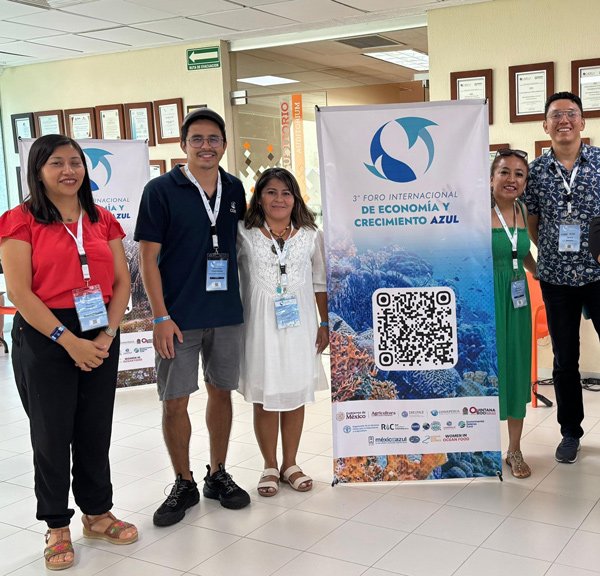
Participants of the International Blue Economy and Blue Growth Forum.
Photo: COBI
Pronatura Península de Yucatán (PPY)
Mexico
Objective: Establish a group of agents of change (men, women and youth) in Holbox and Chiquilá that have the technical-administrative and soft skills to generate information to guide decision-making and manage projects that allow them to contribute to the conservation of the Yum Balam Flora and Fauna Protection Area in an autonomous manner.
Second Semester:
- The profile for the Agents of Change training participants was defined and the training plan for the program was developed.
- Both documents were shared with the National Commission of Natural Protected Areas (CONANP) to obtain their expert feedback.
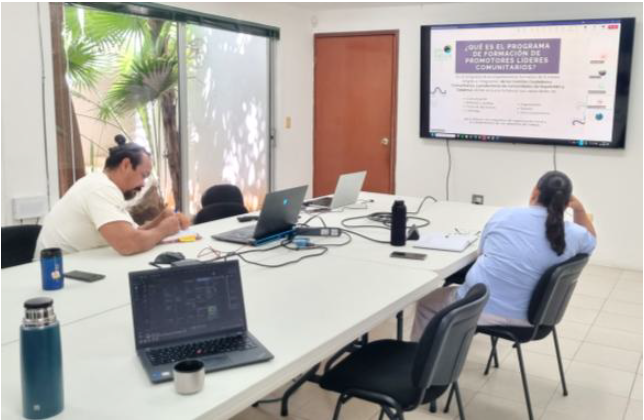
Photo: PPY
SENDAS A.C. and Raíces Marinas.
Mexico
Objective: Promote the conservation and management of the Mesoamerican Reef System by strengthening the local capacities of key stakeholders, generating information on the status of seagrass meadows, and developing effective strategies for the conservation and resilience of these ecosystems.
Project Progress:
- SENDAS A.C. and Raíces Marinas identified 82 seagrass specialists, 63 of whom expressed interest in participating in workshops, including 38 with professional experience in the Mesoamerican Reef region.
- The project conducted two workshops with 65 total participants to discuss seagrass monitoring variables, spatial components, and associated fauna.
- A recruitment call for seagrass monitoring brigades resulted in 78 registrations from community members in Cozumel, Xcalak, Chetumal, and Mahahual.
- A total of 104 individuals registered to participate in the project’s virtual learning sessions.
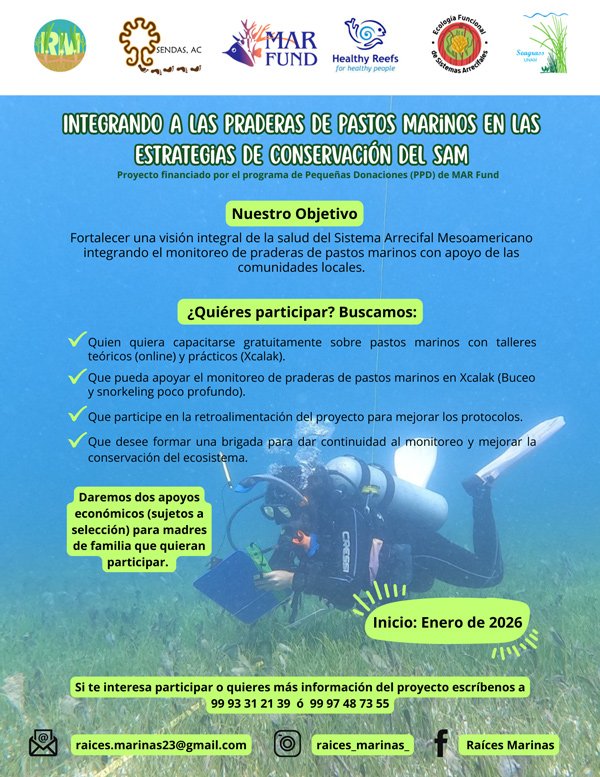
Photo: SENDAS A.C and Raíces Marinas
Belize
Objective: To enhance the Corozal Bay Wildlife Sanctuary’s management effectiveness by updating governance structures, engaging youths in conservation, and supporting established financial sustainability mechanisms, ensuring long-term protection of biodiversity, ecosystem services, and support for sustainable livelihoods in Northern Belize.
First Semester:
- A meeting was held with the Corozal Bay Advisory Committee (CBAC) to validate the proposal submitted to MAR Fund Phase III and share research and monitoring information.
- The Junior Mangrove Guardians pilot program was launched with 12 students to provide immersive conservation learning through field trips and expert sessions.
- Four educational meetings were conducted for the student cohort, covering the sanctuary overview, manatee conservation, shark ecology, and marine protected areas.
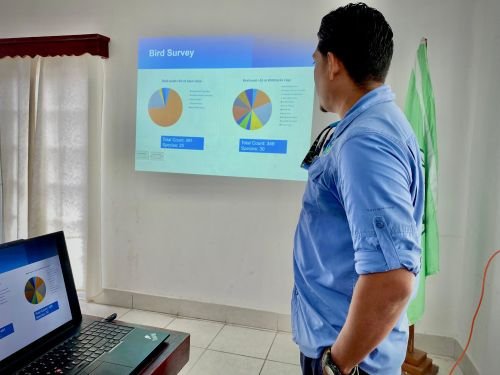
Photo: SACD
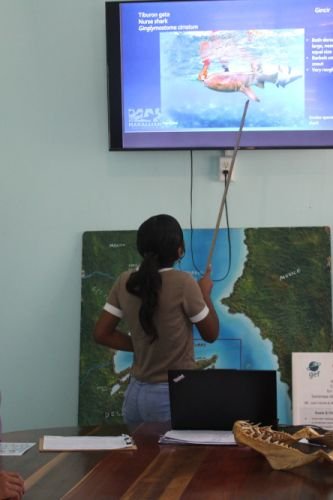
Photo: SACD
La Isla Azul Poemarinos
Mexico
Objective: To promote environmental awareness among primary school children in Cozumel through La Isla Azul Poemarinos, a poetry book about marine and mangrove ecosystems, supported by interactive, school-based educational activities.
Final Results:
- In May, 60 copies of La Isla Azul Poemarinos were printed for distribution in public primary schools on the island.
- Educational visits and book presentations were conducted in 10 public primary schools across the island between June 11 and July 3. Each participating school received 6 copies: 5 for classroom use and 1 for the school library. The visits included interactive sessions featuring marine life trivia, poetry readings, songs, and discussions on Cozumel’s marine ecosystems, current environmental challenges, and local conservation efforts.
- Over 800 students took part in these activities, deepening their understanding of and connection to coastal and marine environments.


Photo: Denisse Pohls
Objective: To support the participation of women from Guatemala in the Latin American Food Systems Symposium, held during the VIII Latin American Congress and III Mesoamerican Regional Symposium on Ethnobiology in La Antigua, Guatemala, from May 5–9, 2025.
Final Results:
- Ensured the full participation of four rural women and traditional cooks in the Latin American Food Systems Symposium through comprehensive funding support.
- The event created a collaborative space for dialogue and mutual learning among traditional cooks, researchers, and community leaders to explore the links between food systems, biodiversity, and ecosystem conservation.
- The symposium successfully highlighted the critical role that local food systems play in biocultural identity, food sovereignty, and socioecological transitions.
- As a result of the event, new collaborations were established and collective proposals were developed to strengthen the visibility, sustainability, and policy impact of traditional food systems in connection with the conservation of terrestrial, marine, and coastal ecosystems
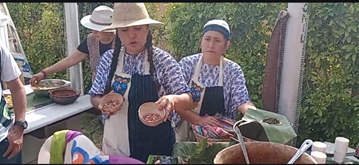
Women participating in the symposium during traditional cooking activities.
Photo (left): Jessica Burmester
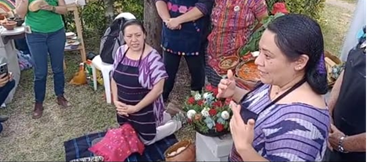
Women participating in the symposium during traditional cooking activities.
Photo (right): Sarahí García
Objective: To support the participation of representatives from four organizations in the Third United Nations Ocean Conference (UNOC3), held in Nice, France, from June 9–13, 2025, by covering travel expenses and enabling their engagement in key discussions on ocean governance, marine conservation, and international cooperation.
Final Results:
- Funding supported travel expenses for five participants from four organizations, representing civil society, youth networks, science, and government institutions at UNOC3. The delegation included representatives from the Sustainable Ocean Alliance (SOA), MAR Fund, Healthy Reefs for Healthy People, CONAP Guatemala, and the Congress of Guatemala.
- Participants attended sessions and policy discussions on ocean governance, coral reef conservation, blue economy solutions, and youth participation in ocean action. Engagements included international panels and meetings with regional networks to highlight science-policy collaboration for the Mesoamerican Reef.
- These activities increased visibility for regional conservation and contributed to dialogues on protecting the Corona Caimán reef and broader marine initiatives.
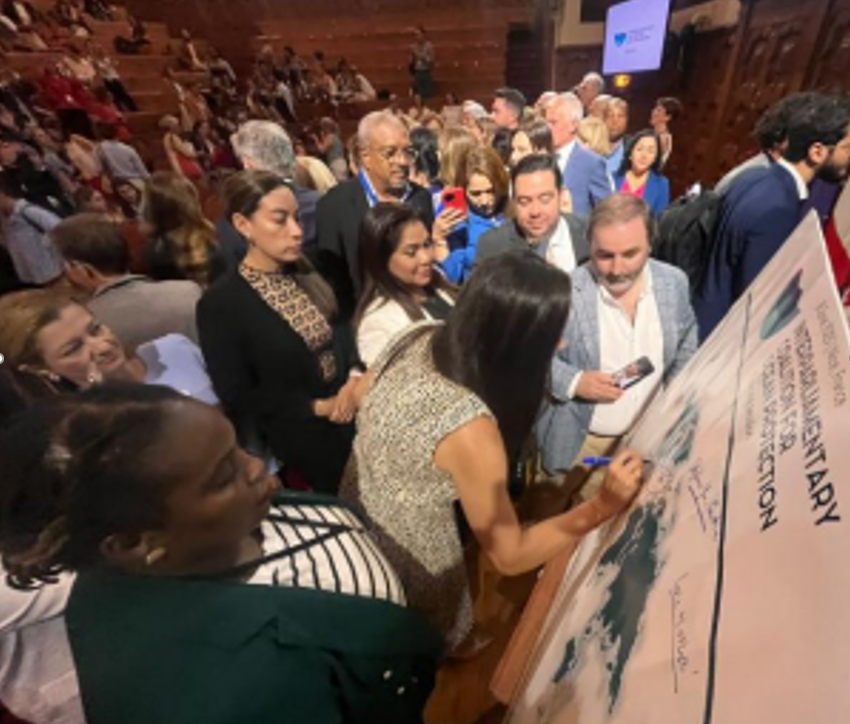
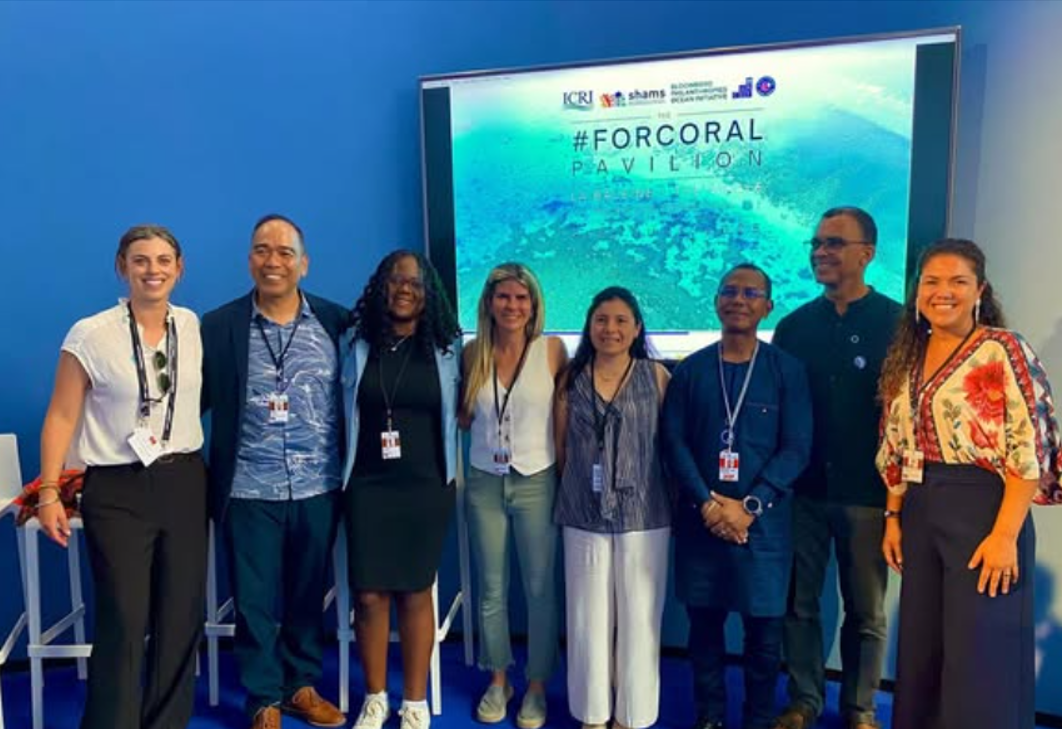
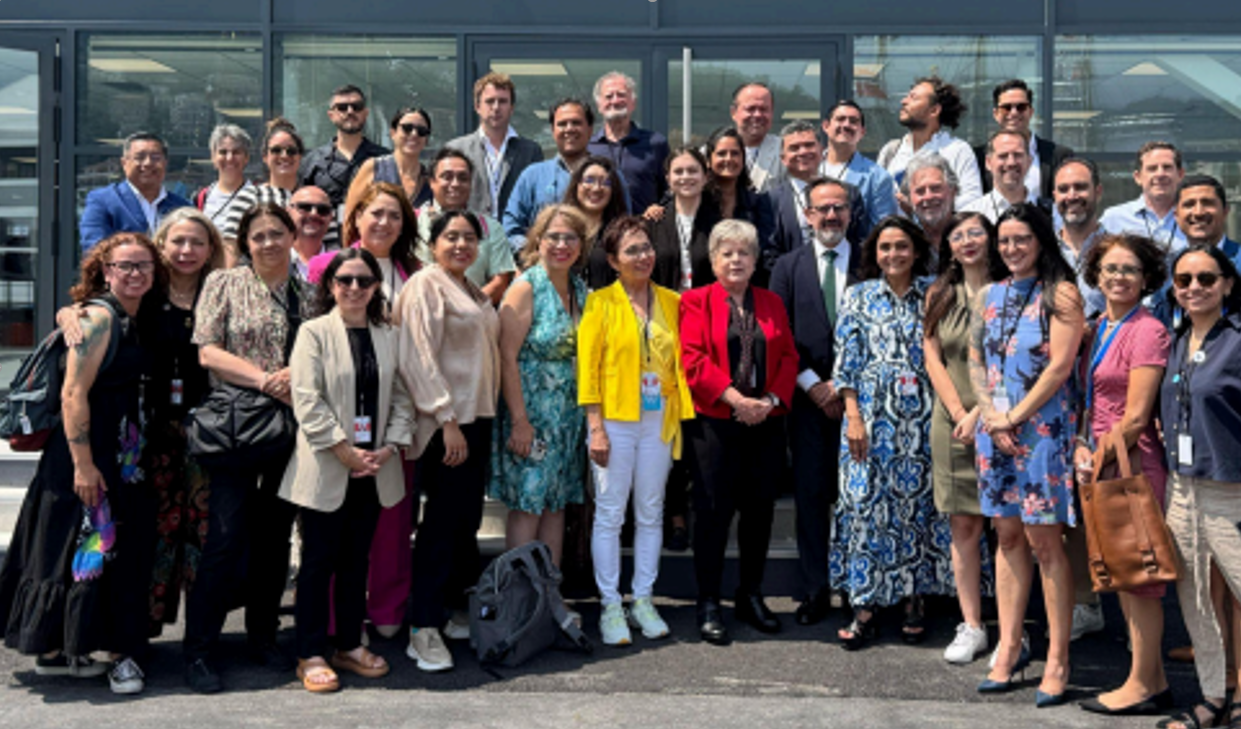
Congresswoman Karina Paz participating in a parliamentary ocean coalition activity (up); Ana Giró Petersen during the #ForCoral event (center); and members of the Mexican delegation together with representatives from SOA Mexico (bottom).
Photo: Karina Paz, Healthy Reefs for Healthy People, SOA
Objective: To support the implementation of the 15th Mesoamerican Connectivity Exercise (ECOME-15), a regional monitoring effort that tracks post-larval reef fish recruitment across the Mesoamerican Reef System to strengthen scientific knowledge and inform marine protected area management.
Final Results:
- Funding provided fuel support that enabled field monitoring for ECOME-15 in Belize, Guatemala, and Honduras. The exercise took place in July 2025 and involved 15 Marine Protected Areas across the Mesoamerican Reef region.
- Monitoring included 133 sampling stations and 226 collectors, with 1,582 collectors reviewed over seven days, recording 1,469 post-larval reef fishes. Jacks represented more than 55% of observations, followed by snappers, filefish, cardinalfish, and grunts.
- The results contribute to regional understanding of reef fish recruitment and support improved management of Marine Protected Areas across the Mesoamerican Reef. Preparations for ECOME-16, planned for September 2026, are already underway.
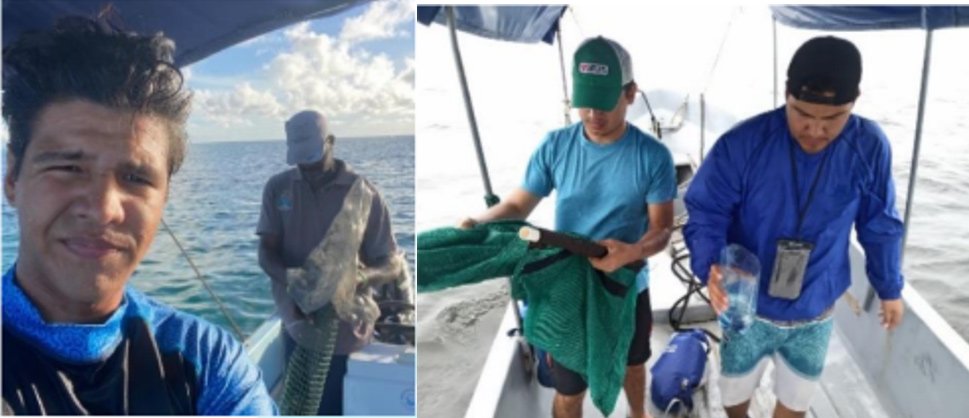
Left: Field monitoring activities during ECOME-15 at Glover’s Reef Marine Reserve (GRMR), Belize. Right: Monitoring activities at the Área de Usos Múltiples Río Sartún (AUMRS), Guatemala.
Photo: GRMR and AUMRS
International Women in Conservation Summit, Sea of Life
Belize
Objective: To support the International Women in Conservation Summit (IWIC) 2025, held in Belize City, as a regional platform to strengthen women’s leadership, skills, and collaboration in conservation across the Mesoamerican Reef region and beyond.
Final Results:
- Support provided to Sea of Life (SoL) facilitated the organization of IWIC 2025, covering communication, supplies, and the Emerging Woman Award. The summit hosted 132 participants from countries across the region and internationally, including Belize, Mexico, Panama, Colombia, Canada, and the United States.
- Attendees included women in conservation, science, and policy, creating opportunities for networking and regional mentorship.
- Over 100 women participated in technical training for leadership and storytelling to strengthen advocacy skills for conservation. The program featured the first IWIC Award presented to Jacinta Usher and the summit’s first youth-led panel.
- A vendor marketplace showcased women-led sustainable enterprises, highlighting products and services that connect conservation, livelihoods, and sustainable business models.
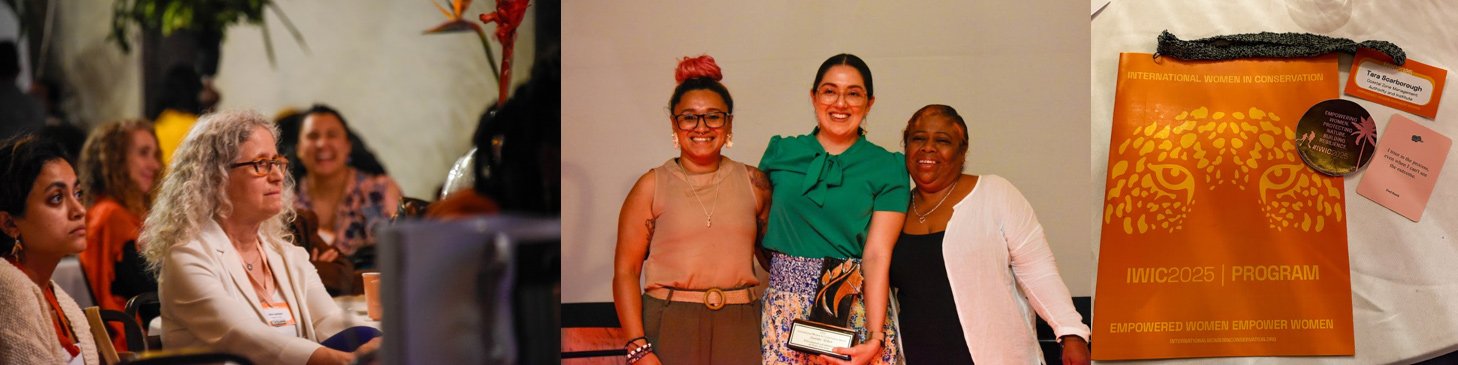
From left to right: IWIC 2025 audience during summit sessions; IWIC Emerging Woman Award winner and finalists; participants during the IWIC 2025 check-in and registration process.
Photos: Sea of Life
Photo: Martin Leglize
(MAR Fund)
Objective: The legal recognition and adequate management of the Cayman Crown area in Guatemala and Belize, and promoting participatory monitoring of a network of sentinel spawning aggregation sites in the four Mesoamerican Reef countries.
Final Results:
- The MAR Fish project evaluation was completed following meetings, site visits, and the submission of an evaluation report and Note of Opportunity for FFEM.
- From April 2–8, evaluators visited sites in the four MAR countries to gather firsthand insights into project implementation and community acceptance from local partners and officials.
- Evaluation results were overwhelmingly positive, recognizing the project as a model of excellence for its work in protecting coral reefs and fish spawning aggregation (FSA) sites.
- The regional FSA monitoring and protection system was highlighted as a global innovation and a significant contribution to marine conservation.
- All grant agreements were successfully closed by June 30.
- The MAR Fish website (www.marfish.org) was launched, providing information about partners, donors, and resources for the protection of the Cayman Crown reef and FSA sites.
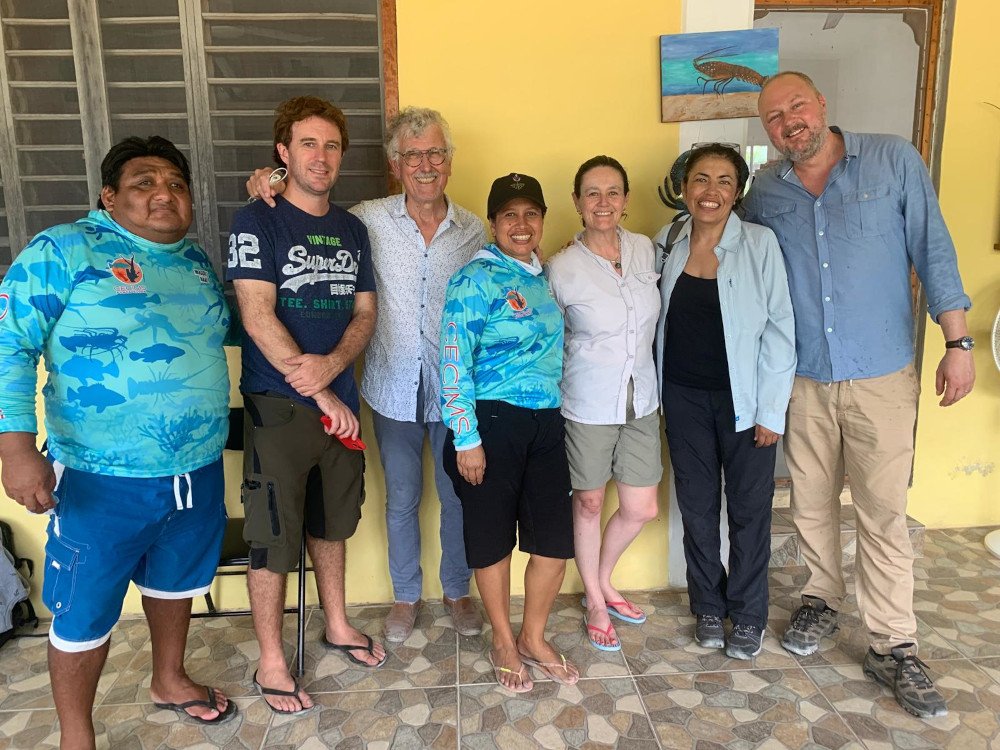
Photo:Thierry Clement.
Objective: Characterization of FSA of Cayman Crown and provide initial management for Cayman Crown MPA in Belize.
Final Results:
- A feasibility study titled “Feasibility assessment of seaweed farming and three value-added seaweed products in Southern Belize communities”, was completed in April 2025.
- The study evaluated the viability of seaweed farming and the production of three specific value-added products—whole dried seaweed, seaweed powder, and seaweed-based soap— as an alternative source of income for fishers in Punta Gorda, Monkey River and Riversdale.
- Key findings indicate that seaweed farming and value-added production are viable opportunities, though their success is contingent on strategic market positioning, regulatory support, and strong community engagement.
- The study was supported by a three-year action plan outlining seven strategic action areas to establish a sustainable and resilient seaweed farming industry and value-added production sector in the region.
Objective: Provide management and zoning recommendations for the Cayman Crown and initial management funding for Cayman Crown with stakeholders in Guatemala.
Final Results:
- The initiative to reform Decree 23-2005, which modifies the zoning of the Punta de Manabique Wildlife Refuge (PNMWR) to include Cayman Crown as a core zone, was reactivated and presented to Congress through Law Initiative No. 6499.
- The new initiative was supported by the results of the diagnosis of the coastal marine zone of the PMWR and the Cayman Crown no-take zone.
- Results of the meeting include supporting the law initiative with socioeconomic information from communities of influence in the Cayman Crown area.
- The proposal was formally presented to the National Protected Area Council (CONAP) and the Ministry of Environment and Natural Resources (MARN).
Comunidad y Biodiversidad (COBI)
MEXICO
Objective: To update the Status Report of Fish Aggregations in the Mesoamerican Reef System (MAR) and the Policy Recommendations: Fish SPawining Aggregations, and the creation of four infographics.
Final Results:
- The 2024 FSA Status Report of Fish Spawning Aggregations in the Mesoamerican Reef was completed with updated monitoring data provided by MAR Fish partners.
- The report was produced in both English and Spanish versions.
- The 2024 Policy Recommendations: Fish Spawning Aggregations was updated with science-based data from FSA sites to improve management and fisheries sustainability.
- This policy report was also produced in English and Spanish.
- Four bilingual infographics were created to communicate the importance of the reports and of grouper and snappers as key commercial species in the MAR.
- The infographics include: key insights of the 2024 FSA Status Report, key insights of the 2024 Policy Recommendations, the importance of the Caribbean grouper, and the importance of the Caribbean snapper species.
Objective: To strengthen capacities in the monitoring of Fish Spawning Aggregations (FSA) in Gladden Spit and Silk Cayes Marine Reserve (GSSCMR) and to develop and strengthen internal control measures and organizational policies for the organization.
Final Results:
- Nine internal control measures and organizational policies were developed for SEA, and specific training was provided to staff and board members to ensure familiarity and compliance.
- Accounting and administrative staff received training and assistance with the QuickBooks accounting system through a consultant to ensure financial transparency and compliance with donor guidelines.
- Support was provided for the maintenance of research and surveillance vessels, as well as the renewal of licenses and insurance for each vessel.
- A total of 301 surveillance patrols, including seven-night patrols, were supported between July 2024 and December 2025.
- These patrols resulted in 302 encounters with commercial fishing vessels and 445 commercial fishers, leading to two convictions and 13 documented infringements.
- Basic CPR and first aid training sessions were provided for 20 participants, including staff and community researchers, to enhance capacity building. Participants were provided with a basic first-aid kit.
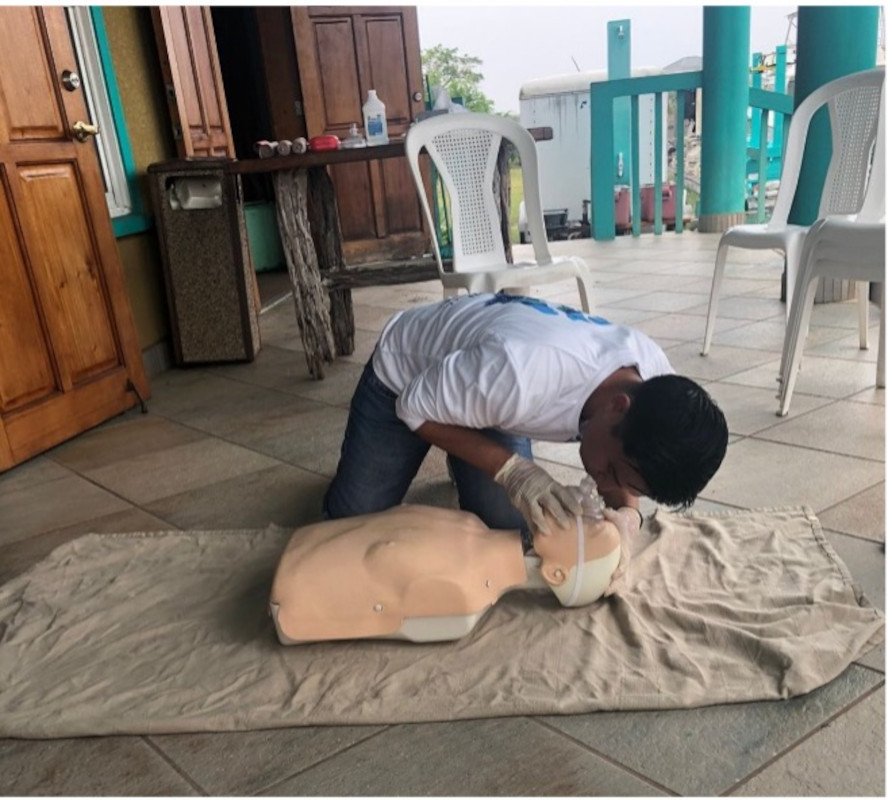
Basic CPR and First Aid training course
Photo: SEA
Photo: María Patrocinio Alba
Guatemala
Objective: Strengthen the capacities of communities in the Sarstún River Multiple Use Area in mangrove forest monitoring and restoration.
Project Progress:
- Four monitoring sessions were conducted across sites in Punta de Manabique Biosphere Reserve (RVSPM) and Sarstún River Multiple Use Area (AUMRS) to assess mangrove cover and health. Restoration efforts led to 5.1 ha restored in AUMRS and 1 ha in RVSPM using passive and active methods.
- Community capacity was strengthened in Quetzalito through workshops on monitoring and restoration.
- Collaboration with the Smithsonian Institution produced a Blue Carbon baseline averaging 524 MgCO₂/Ha.
- A mangrove nursery was established, and results were shared in workshops, a diploma course, community events, and through one infographic and social media publications.
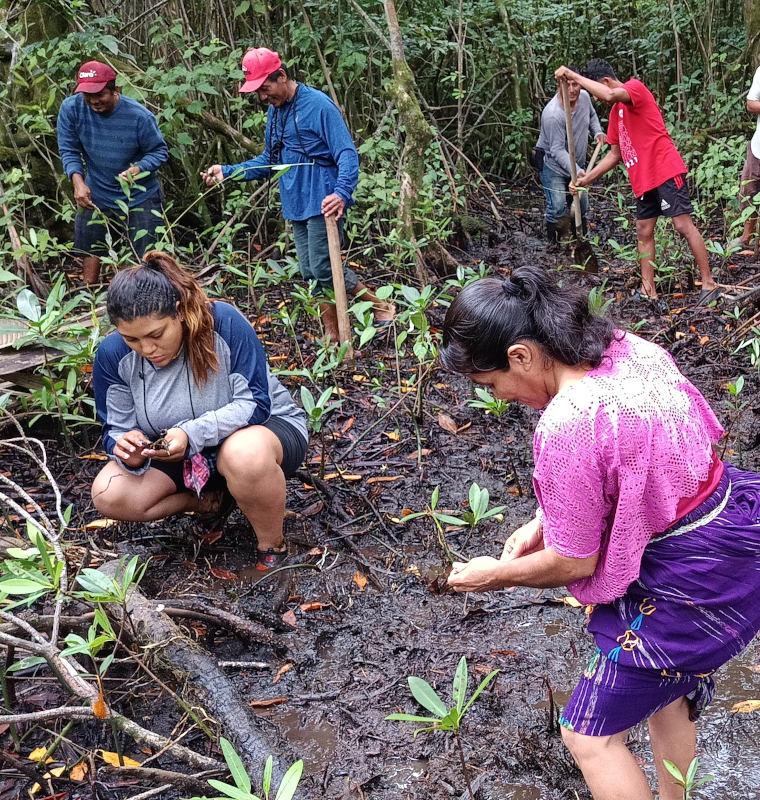
Photo: FUNDAECO
Objective: Implement cost-effective insurance to cover hurricane risk to the MAR and enhance resilience of the local beneficiaries who depend on the reef for their livelihoods, food security, and protection from coastal hazards.
First Semester:
- The programme continues operating across the MAR in 10 protected areas for the June – May 2026 period, with renewed coverage in place as of June 1, through AXAC as the insurance provider. MAR Fund continues collaborating with WTW, ISF, and partners to strengthen programme implementation in the MAR and other regions, while advancing the design of coverage for the 2025/2026 policy year.
- In April, the Ocean Risk and Resilience Action Alliance (ORRAA) conducted a mission to the MAR to assess the effectiveness and efficiency of projects financed under its portfolio. MAR Fund facilitated the visit by coordinating interviews with key stakeholders and local groups in Honduras and Belize, supporting a comprehensive evaluation of project impact and the sustainability of investments.
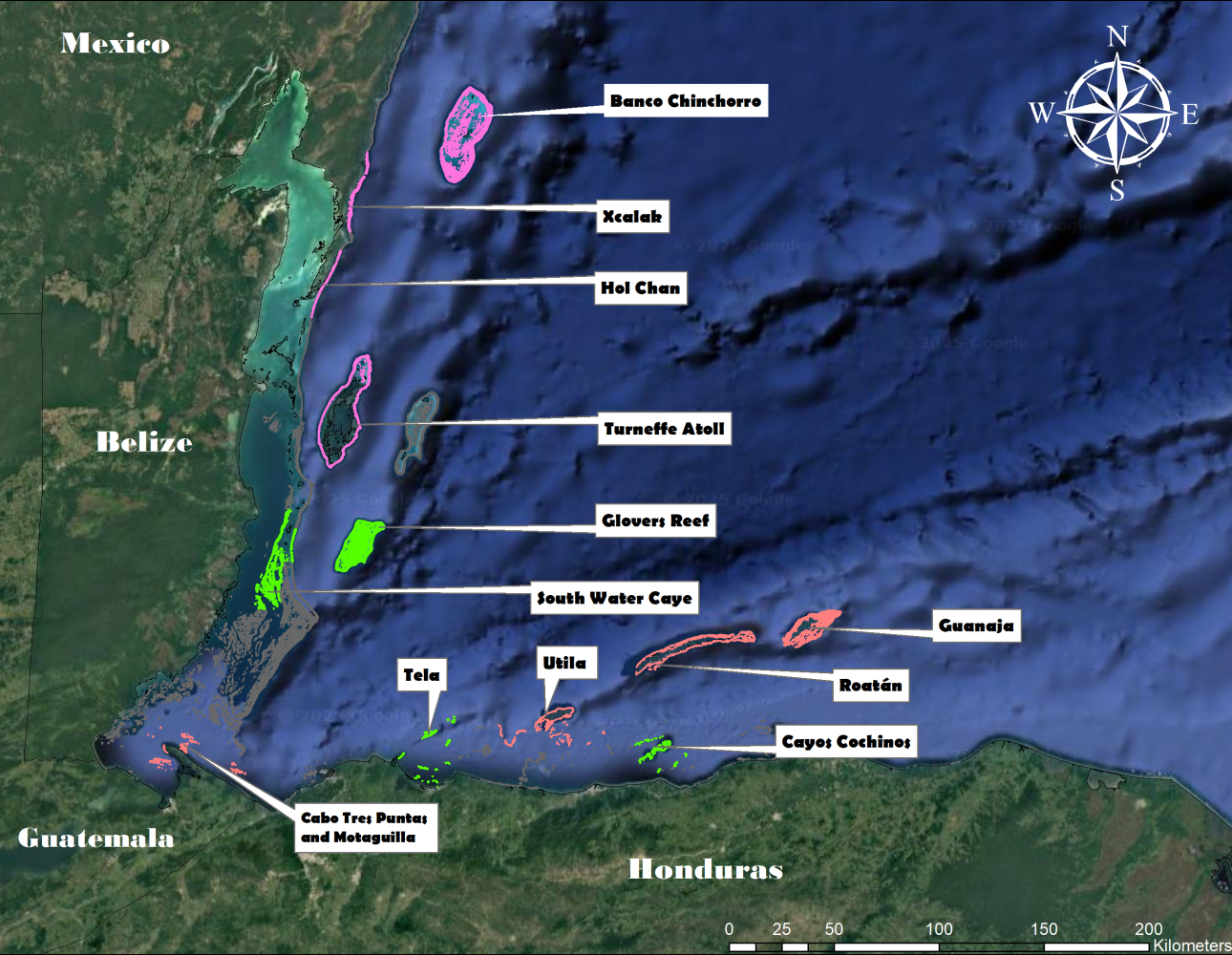
MAR Insurance Programme Coverage
Map: MAR Fund
Second Semester:
- MAR Fund participated in the “Scaling Insurance Impact for Communities and Ecosystems” workshop, organized by The Nature Conservancy in London from June to July, convening stakeholders from insurance, academia, conservation, adaptation, humanitarian, and sustainable development sectors to exchange insights, strengthen partnerships, and co-develop strategies linking insurance with nature.
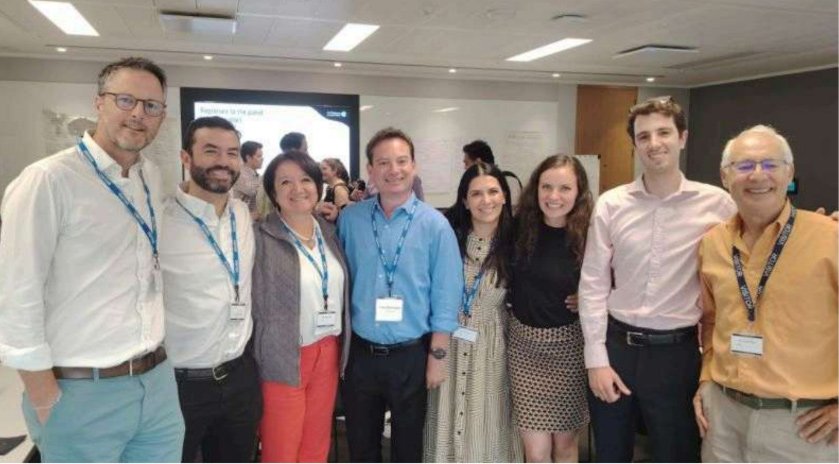
MAR Fund participated in the “Scaling Insurance Impact for Communities and Ecosystems”
Photo: MAR Fund
- Discussions emphasized the role of nature-based insurance solutions in enhancing resilience and supporting climate adaptation for communities and ecosystems at scale, highlighting their potential for broader application and impact.
- MAR Fund also took part in the “Building Resilient Communities: Insurance Solutions for Vulnerable Individuals and Communities” program in Salzburg in October, exploring innovative investment and insurance approaches to strengthen the resilience of homes, businesses, and communities
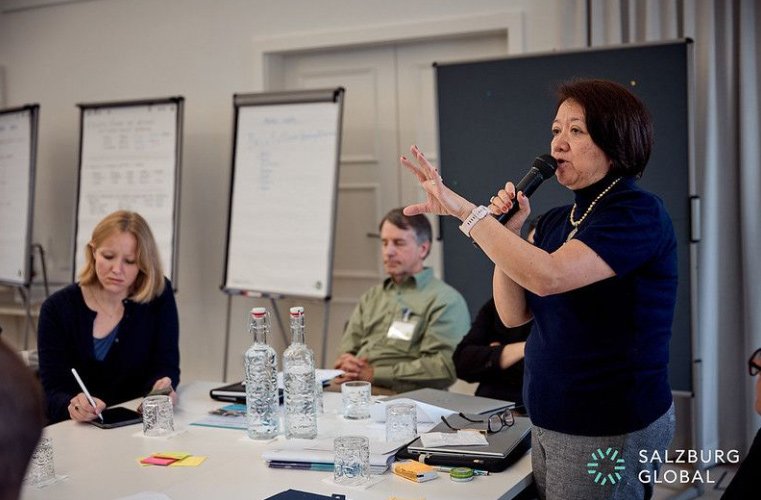
Building Resilient Communities: Insurance Solutions for Vulnerable Individuals and Communities
Photo: Salzburg Global
Objective: Enhance institutional capacity to mitigate the impacts of hurricanes in coral reefs in the MAR.
First Semester:
- Two Post-Storm Brigade training sessions for coral reefs were held in Tela, Honduras, from March 24–28 and March 31–April 4, training and certifying 17 new brigade members (eight men, nine women) and five instructors (two men, three women), with participation from expert divers, environmental scientists, community members, and eight institutions.
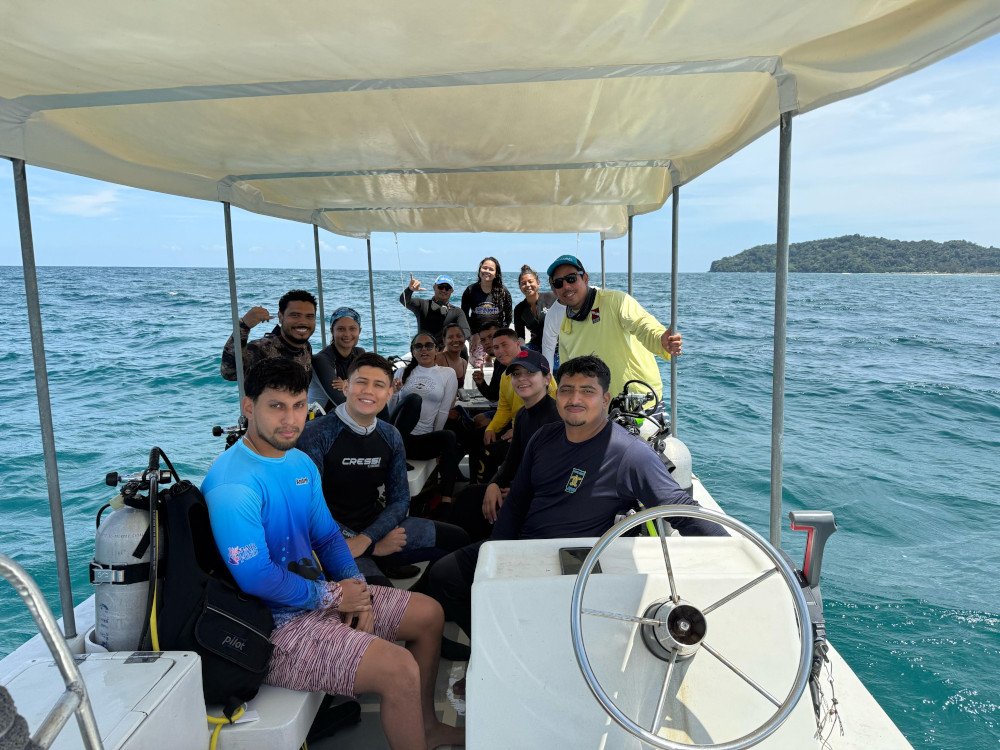
Photos: Christian Carias
- Additional training sessions took place in Mahahual, Quintana Roo, on April 28 and May 2, certifying 15 new brigade members (6 women, 9 men) and three instructors (2 men, 1 woman), including participants from Xcalak, diving guides, and seven organizations.
Photos: Andre Herrera
Second Semester
- From July 21–25, Post-Storm Brigade training was conducted in Belize, resulting in seven certified participants (6 men, 1 woman), including five new and two retrained brigade members, as well as one newly certified instructor. Participants included expert divers, environmental scientists, and community members from the Belize Fisheries Department and the Hol Chan Marine Reserve.
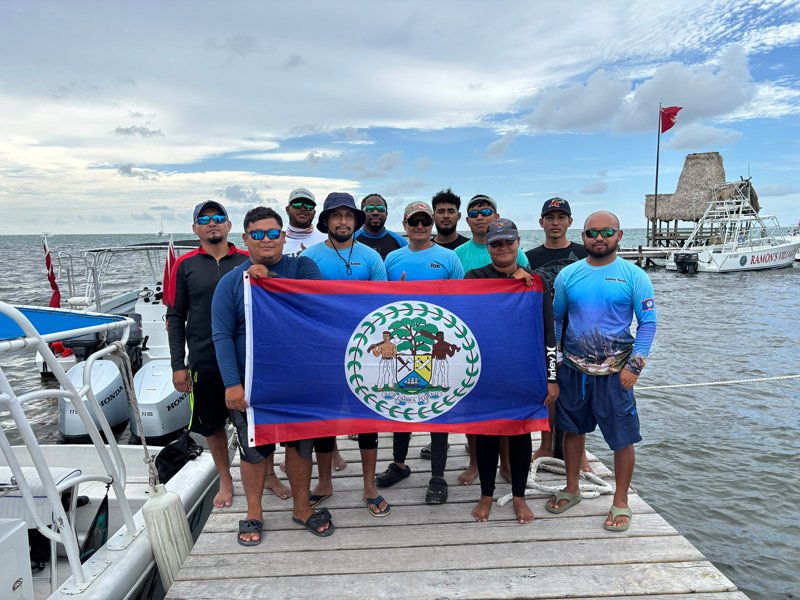
Photo: Andre Herrera
- A similar training was held in Guatemala, certifying seven participants (6 men, 1 woman), including four new and three retrained brigade members, with representation from CONACAR, FUNDAECO, and CONAP.
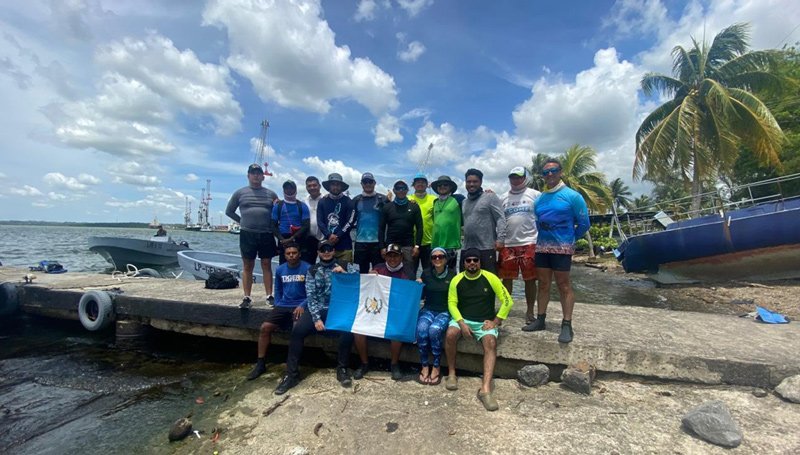
Photo: Claudia Ocaña
- On October 29, MAR Fund convened a meeting to formally establish the Reef Emergency Resilience Advisory Group for the MAR and SAP in Colombia, bringing together 19 specialists (11 women, 8 men) from five countries and 12 organizations to provide technical guidance for coordinated reef emergency preparedness and post-storm response.
- The update of the Early Warning and Rapid Response Protocol—now officially titled Response Protocol for the Rescue of Coral Reefs Affected by Hurricanes—has been finalized, representing a major regional achievement built through a collaborative process across the project.
- A total of 104 participants (55 women, 49 men) from the four MAR countries contributed to its review and strengthening, integrating the best available science, field experience, and regional priorities.
- Through 20 technical meetings, the core working group refined its content and procedures, resulting in a practical, science-based, and regionally harmonized tool to guide coordinated reef rescue actions after hurricanes.
.
- During this period, a consultancy was carried out to develop a diagnostic of the Mesoamerican Reef Restoration Network (MAR-RRN), with a specialized consulting group selected with support from the Network’s Executive Committee to lead the process.
- The consultancy assessed key operational dimensions, including governance, membership, and bylaws, identifying challenges and providing actionable recommendations to strengthen coordination, participation, and overall effectiveness through a participatory approach reflecting members’ perspectives.
- A validation workshop held on November 18 convened 34 participants to review and strengthen findings, enhancing their relevance and applicability. The consultancy is expected to conclude by January 2026, while MAR Fund continues supporting updates to the Network’s website to improve access and visibility of restoration efforts.
- MAR BleachWatch was implemented as a rapid regional response by the Reef Rescue Initiative–MAR Fund and Healthy Reefs for Healthy People to assess coral bleaching impacts during the 2023–2025 thermal stress event across the Mesoamerican Reef, coordinating standardized monitoring, capacity building, and data analysis in Mexico, Belize, Guatemala, and Honduras.
- Regional and national training strengthened technical capacities in coral identification and bleaching assessment, engaging over 120 participants and enabling coordinated monitoring across more than 150 reef sites.
- The initiative identified spatial variability in bleaching severity and mortality, key hotspots and potential refugia, and high vulnerability of Agaricia and Acroporid species, informing recommendations to enhance monitoring, reduce stressors, protect refugia, and integrate heat-stress forecasts into reef management.
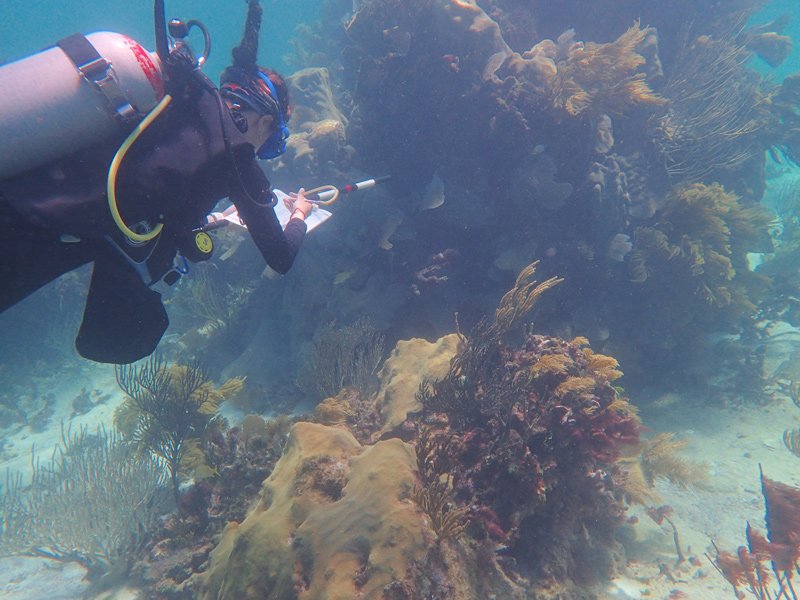
Photo: Andre Herrera
Fundación Comunitaria Cozumel (FCC).
Mexico
Objective: Consolidate the efforts of comprehensive reef restoration with Acroporid corals in Cozumel, using two intervention techniques, active and passive, involving the private tourism sector to promote ecosystem resilience.
Project Progress:
- Reef health monitoring was conducted at five sites in Cozumel between August and September, including one physicochemical assessment that recorded an average sea temperature of 29.4 °C.
- A total of 650 Acropora palmata fragments were outplanted at Paraíso-Norte and 440 at La Palmata Sur, achieving high survival rates of 95% and 98%, respectively, demonstrating strong restoration performance.
- More than 10 participants were trained to develop and implement the A. palmata sexual reproduction monitoring protocol through four virtual theoretical sessions facilitated by Dra. Anastazia Banaszak (UNAM).
- Eight nocturnal monitoring activities in August recorded coral spawning in 15 colonies, including one previously restored colony, contributing valuable data on reproductive success.
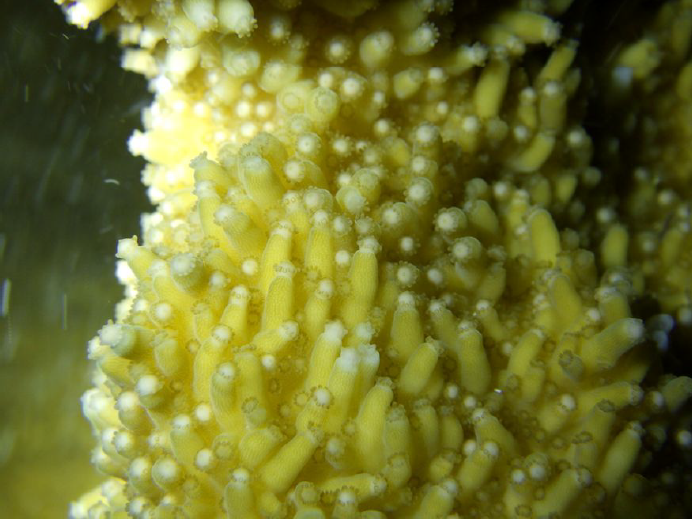
Coral spawning observed during a nocturnal monitoring activity.
Photo: CONANP
Centro Ukana I Akumal A.C. (CEA)
Mexico
Objective: Expand the restoration area of the Akumal coral reef and the ecosystem services it provides by implementing innovative coral dispersal techniques that engage the community, the private sector, and civil society, while measuring progress through evaluation and monitoring over one year.
Second Semester:
- Seven reef monitoring activities were conducted across six sites, including restoration and control locations, with restoration sites showing higher coral cover (13.2–24%) and Reef Health Index values (2.0–3.0) compared to control sites (3.5–10% coral cover; 1.3–1.8 RHI), indicating improved reef condition.
- Monitoring in September and October identified Rapid Tissue Loss Disease affecting Acropora palmata, resulting in 35% partial mortality at one restoration site, informing adaptive management responses.
- Re-fragmentation and stabilization of 3,000 Acropora cervicornis colonies were completed across four nursery sites, alongside the outplanting of 1,000 fragments at Morgan 2 and Media Luna, strengthening restoration efforts.
- Two individuals were trained in reef ecology and coral restoration techniques, contributing to local capacity building.
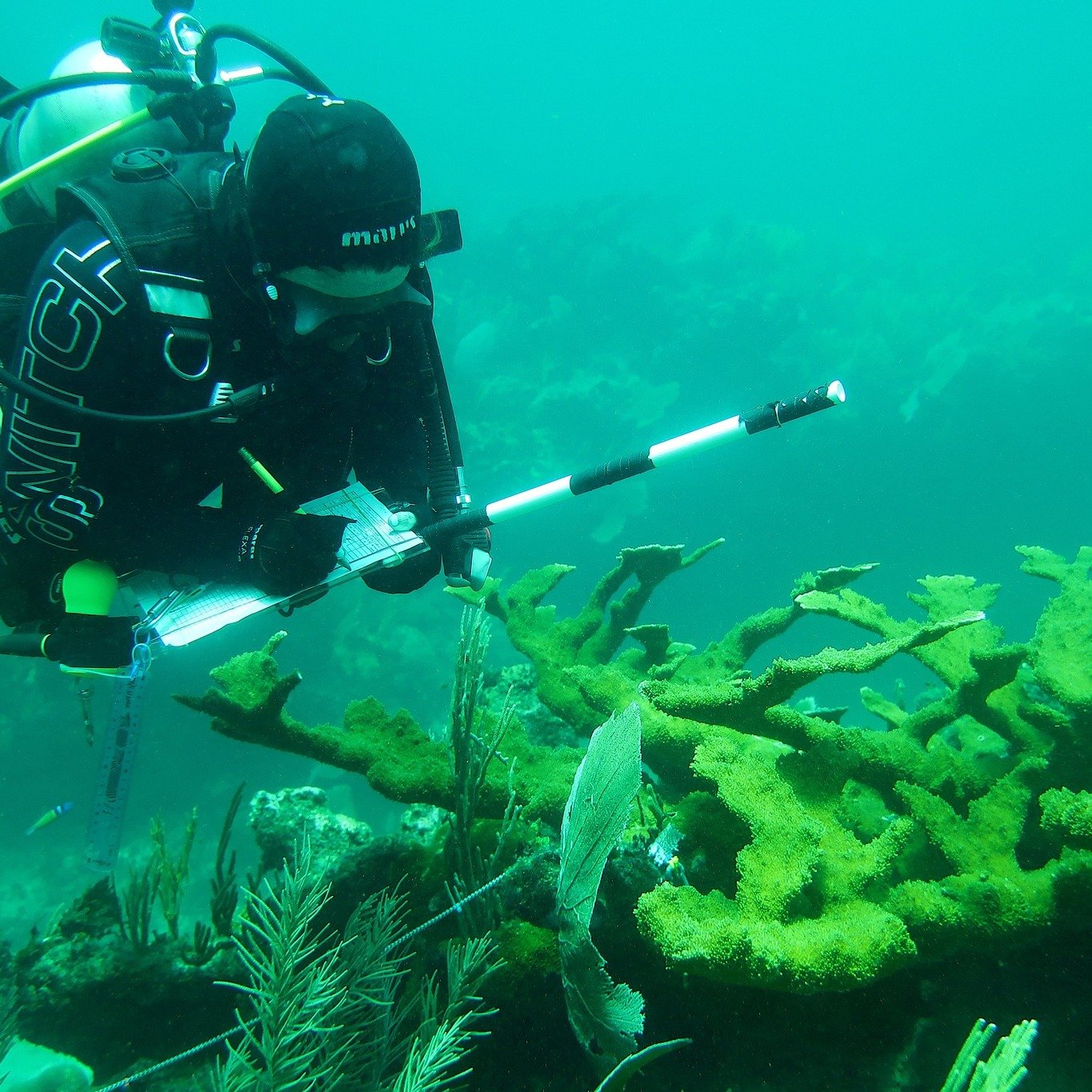
Coral reef health monitoring.
Photo: CEA
Photo: Judith Morales
The Belize Marine Fund (BMF) supports projects through two programmatic windows 1) the Targeted Grants Program and 2) the Small Grants Program. The projects supported by these programs have been guided by those priority areas of focus established in the BMF’s Strategic Plan and in consultation with the BMF Steering Committee.
Objective: To raise national and international awareness, through an original documentary film, of the efforts being undertaken by women leaders from various walks of life to preserve Belize’s Barrier Reef Reserve System and to inspire both local and international audiences to take action to support these efforts.
Final results:
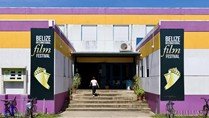
- The world premiere of the documentary “Wealth Untold” was held on Wednesday, November 6, 2024 at the Belize International Film Festival at the Jaguar Auditorium of the University of Belize (Belmopan).
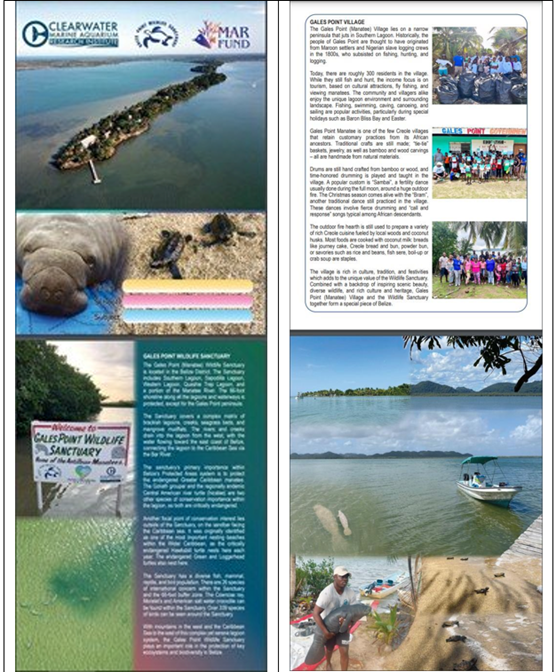
Objective: To re-establish the Gales Point (Manatee) Wildlife Sanctuary through a revised co-management agreement between the local community and the Government of Belize, update a conservation management plan for the area, and train the community in alternate livelihood opportunities.
Final results:
- The Gales Point Wildlife Sanctuary Management Plan draft was submitted to the National Biodiversity Office for approval.
- MARI designed and printed 500 notebooks featuring photos of the Wildlife Sanctuary and its species, with information about the sanctuary and local culture inside. These notebooks were distributed as prizes to Gales Point students at the annual marine conservation summer camp in August 2024 and to adults attending the Gales Point Wildlife Sanctuary Management Plan presentation.
Objective: To implement the Branding, Marketing and Communications Strategy for Belize’s Barrier Reef Reserve System World Heritage Site by carrying out activities that contribute to the effective communication and marketing of the Belize Barrier Reef Reserve System—raising awareness in the general Belizean populace and highlighting its uniqueness and value through social and traditional media as well as engaging international tourists in promoting Belize’s WHS.
Project Progress:
- The organization enhanced its social media presence highlighting the BBR-WHS, including the creation of a dedicated Instagram page.
- The Ministry of Blue Economy and Disaster Risk Management (MBEDRM) and CZMAI co-hosted a “Blue Economy Gala” to celebrate the BBRRS WHS 10,000th +2nd. Birthday. At the event, held on June 1st at the Old Belize Pavilion in Belize City, recognized and awarded 15 individuals and agencies for their ongoing support and commitment to the protection, sustainable management, and conservation of the Belize Barrier Reef WHS.
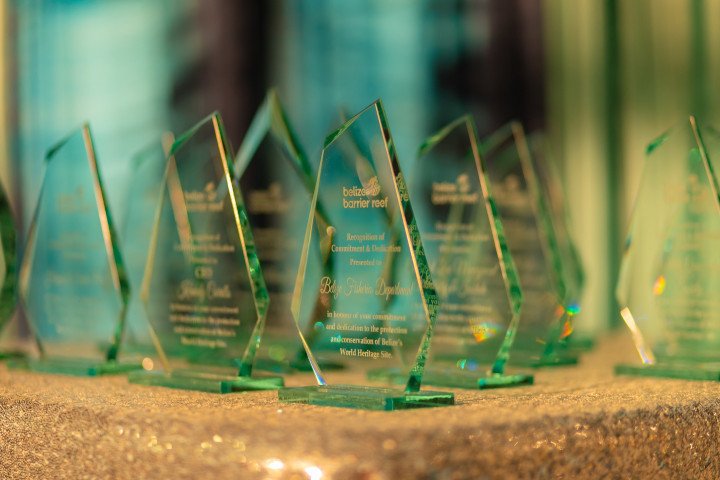
Photo: CZMAI
Objective: To provide core support for UB-ERI’s operations and staff salaries, assisting the Institute to function in its role of building national scientific capacity for the effective management, sustainable use and conservation of Belize’s natural resources. Through the implementation of key components of its Strategy—positioning the Institute as an authority on marine research and marine data science.
Final results:
- This core-cost grant enabled UB-ERI to support the salaries of key marine staff and interns, including a Marine Data Scientist, a Marine Biologist, a Biologist/Public Engagement Officer, and student interns/volunteers at the Institute. The funding allowed them to maintain these staff positions and expand the scope and research during this reporting period.
- The Institute also purchased a much-needed 25-inch Yamaha outboard motor for its research vessel, to support key fieldwork conducted by its marine team.
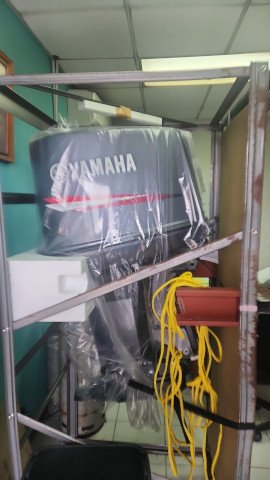
Photo: UB-ERI
Photo: Cintia Landa
Honduras
Objective: To promote improvements in the management and conservation of the ACCMNM reef and the lower watershed of four of its influential rivers, with the involvement of stakeholders in the preparation of a plan that considers the results of water quality monitoring and its relationship with the state of the reef.
Final Results:
- Four water quality assessments were conducted across 11 sites, including river deltas and reef locations, identifying poor to very poor conditions, with critical parameters such as nutrients, BOD, coliforms, and E. coli affecting most sites.
- Monthly SCTLD monitoring at seven reef sites confirmed disease presence across all locations, with a gradual decline since early 2024 as the most susceptible species had already been impacted.
- Coral bleaching reached 61% in 2023 and exceeded 90% in 2024, with Agaricia spp. and Pseudodiploria strigosa most affected, while Montastrea cavernosa and Dichocoenia stokesii showed greater resilience.
- A participatory workshop with 19 stakeholders identified 13 priority actions to strengthen watershed and reef management, emphasizing capacity building, information sharing, and coordinated monitoring.
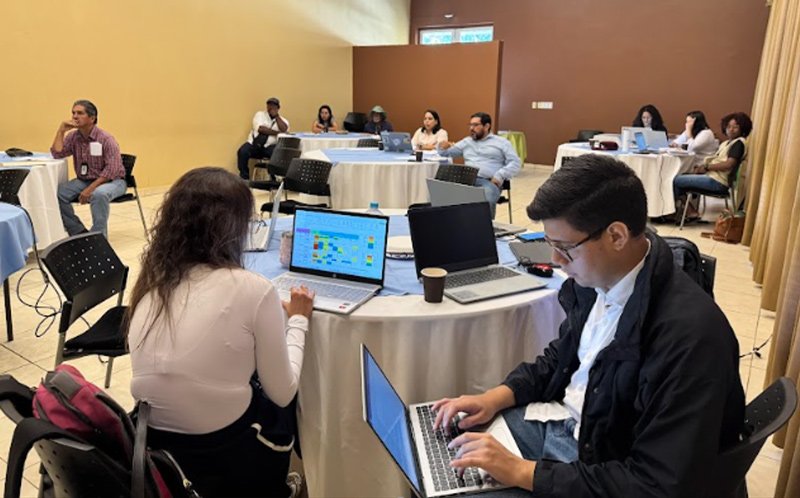
Photo: Fundación Hondureña para la Protección y Conservación de Cayos Cochinos
Honduras
Objective: By 2024, the integral management of the handling and final disposal of sludge generated as part of the wastewater treatment has been accomplished, thereby reducing factors affecting the effluent treatment process, allowing the reduction of operating costs and in turn promoting the integration of alternatives for the reuse of sludge which will reduce the sources of soil contamination in the marine national park.
Final Results:
- A total of 11 dry sludge tests were conducted using three treatments to assess compliance with EPA standards, with metal content meeting requirements while fecal coliform levels remained above the 1,000 MPN/g limit; the best result was achieved with 20% organic lime treatment (1,300 MPN/g).
- From October 2024 to February 2025, 10.49 tons of sludge were mechanically dehydrated, with current processing averaging 190 kg/day and projecting over 49,532 kg/year; process optimization analyses showed a 73% efficiency improvement compared to solar dehydration.
- Six meetings with 10 participants from five institutions facilitated knowledge exchange on sludge reuse, and results were shared in three socialization meetings.
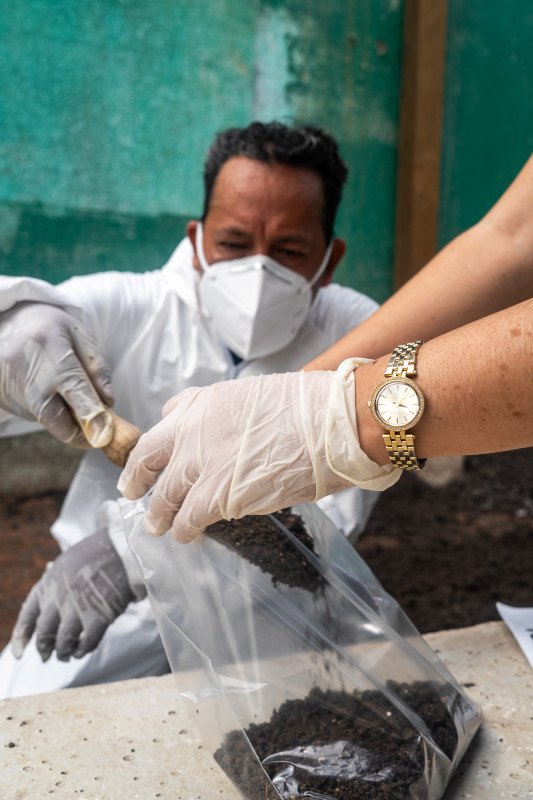
Photo: PWA
Centinelas del Agua A.C. (CDA)
Mexico
Objective: Strengthen the capacities of fishing cooperatives for comprehensive water management for product certification processes. Also, obtain a binding analysis of water quality and microplastics in rainwater harvesting systems, Yalahau Lagoon, and coastal marine sites in three annual seasons (dry, rainy, and northerly winds).
First Semester:
- Preliminary water quality monitoring was conducted at five sites: one along the Holbox coastal area and four in the Yalahau lagoon. Key physical, chemical, and biological parameters were measured.
- Centinelas del Agua and the Yucatán Scientific Research Center (CICY) established a collaboration agreement to analyze oxybenzone contamination.
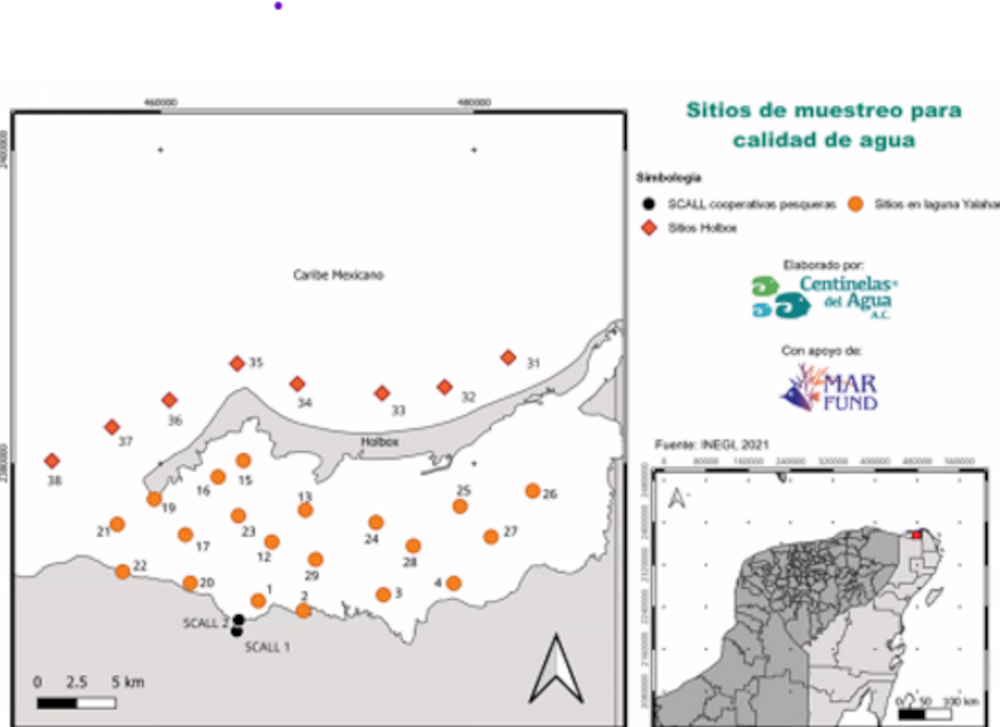
Photo: CDA
Second Semester:
- Water quality monitoring was conducted at 30 sites, showing low nutrient levels and healthy dissolved oxygen during the dry season; Enterococcus exceeded beach limits at six sites but met coastal criteria, while most Rainwater Harvesting System (SCALL in spanish) parameters were acceptable except fecal coliforms.
- Microplastics monitoring in lagoon and coastal areas identified blue fibers as the dominant type, with concentrations reaching up to 17 PPMPs/L in the central lagoon and 0–1 PPMPs/L in marine sites.
- Two water quality workshops engaged 91 participants (50 men, 41 women), strengthening awareness and technical capacity.
- A booklet was developed addressing plastic and microplastic pollution, human health impacts, and the effects of non-biodegradable sunscreens on marine ecosystems.
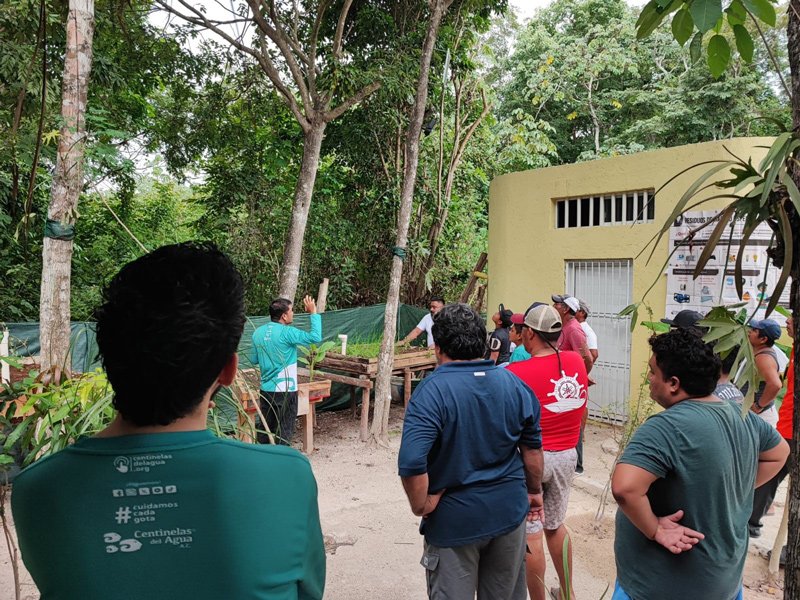
Photo: CDA
Fundación Hondureña para la Protección y Conservación de Cayos Cochinos
Honduras
Objective: By 2026, key actors in the management of the protected area implement three participatory strategic lines to improve the health of the reefs of Cayos Cochinos and at least one river in the area of influence.
First Semester:
- To improve data collection and accuracy, the project purchased advanced, multi-parameter water quality probes for monitoring.
- In October, coral restoration permit applications were submitted to the responsible agency, pending approval.
- In September 2024, a project socialization activity took place in Corozal, Honduras, with 30 participants, including local stakeholders and government institutions.
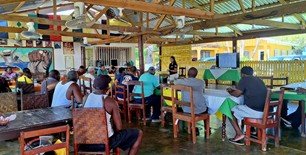
Photo: Cayos Cochinos
Second Semester:
- Two water quality monitoring exercises were conducted in April–July and August at four river deltas and ten reef sites. ICAM values ranged from 43.2 to 58.5 at river deltas and from 45.5 to 54.6 at reef sites, with most locations classified as inadequate.
- Monthly monitoring of coral diseases and bleaching was carried out at seven sites. SCTLD was detected at all sites, mainly affecting Orbicella annularis and Pseudodiploria strigosa.
- Mangrove restoration activities were implemented by HCRF staff and rangers, including the collection and germination of red mangrove propagules at East End.
- Environmental education activities for World Oceans Day reached 91 participants (45 women and 46 men) from Garífuna, Mestizo, and Miskito communities
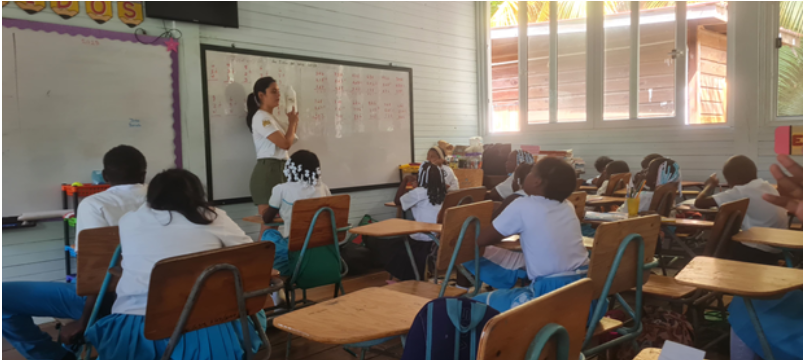
Photo: Fundación Hondureña para la Protección y Conservación de Cayos Cochinos
Polo’s Water Association (PWA)
Honduras
Objective: By 2026, improvement will have begun in the management of the aquifer in the West End community through the implementation of a comprehensive approach that reduces the risks of damage to water supply sources underground.
First Semester:
- In December 2024, a 5,000-liter rainwater harvesting system was installed at the wastewater treatment plant. In early 2025, two additional 2,500-liter systems were installed, one in the community center and one in a kindergarten.
- A community meeting was held in El Berrinches to discuss waste-related issues where12 community leaders participated. This meeting inspired a community cleanup, in which 20 bags of waste (55 gallons each) were collected, totaling approximately 150 kg.
- A new solid waste deposit equipped with eight containers (one of 1,100 L, three of 240 L, and four of 200 L) was built in El Berrinche to improve waste separation.
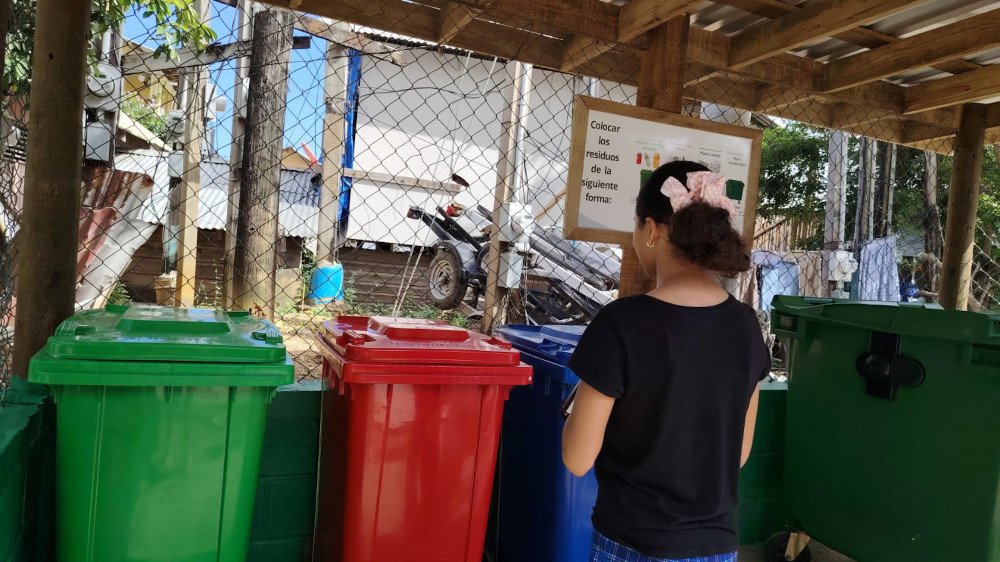
Photo: PWA
Second Semester:
- A total of 14,000 liters were reused (equivalent savings in groundwater) through the installation of three rainwater harvesting systems (SCALL).
- Environmental talks and workshops were held in the community with 26 participants.
- The construction of the new waste storage facility directly benefited over 40 families in the Berrinche community, enabling the collection of 134.14 m³ of waste over six months. Informational signs in Spanish and English were installed to guide proper waste separation.
- The company responsible for conducting the hydrological groundwater-well study was hired. A total of 29 groundwater-wells were identified, of which 15 were selected for inclusion in the study.
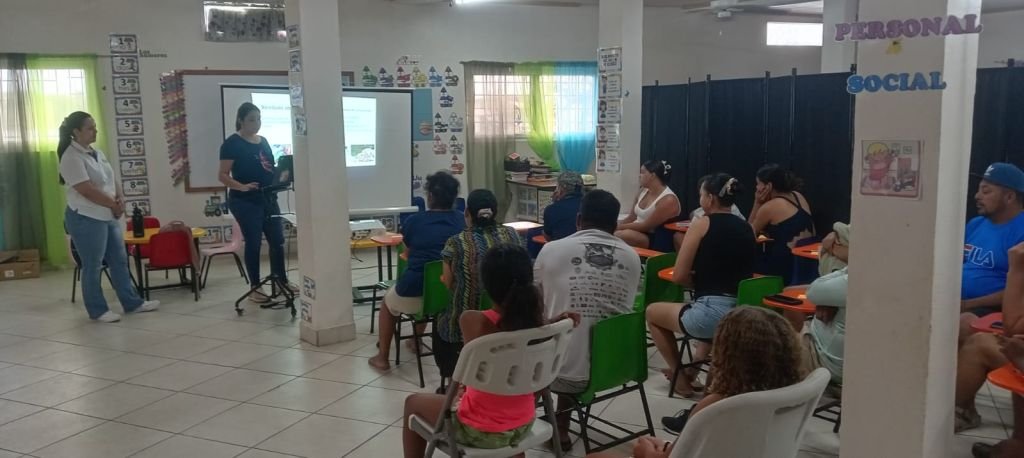
Photo: PWA
Photo: Sara Gutiérrez
MAR+Invest is a blended finance mechanism with strong monitoring and evaluation of impacts, business acceleration and a capacity building program that aims to enable conditions for a sustainable ocean-based economy in the Mesoamerican Reef (MAR). It mobilizes private capital for businesses that generate positive impact on the MAR and its coastal communities fostering innovative solutions and reducing investment risks.
Launched in 2022 with the support of the Global Fund for Coral Reefs, is carried out by an alliance between the Mesoamerican Reef Fund (MAR Fund), Mexican Fund for the Conservation of Nature (FMCN), Sureste Sostenible, Healthy Reefs for Healthy People (HRHP), New Ventures, and Viwala.
First Semester:
- From February 17–22, a donor delegation conducted a field mission in Quintana Roo and northern Belize to evaluate progress and visit portfolio projects, engaging key international partners, Mexican institutions, and local. stakeholders.
- The mission showcased ventures from Belize and Mexico, strengthening engagement with entrepreneurs and partners across sectors including conservation, water solutions, circular economy, and community-based initiatives.
- Participation in the 2025 Latin American Impact Investment Forum (FLII) in Mérida contributed to regional dialogue on blue economy investment, while engagement in global forums such as BEFF (Monaco) and UNOC3 (Nice) positioned the Mesoamerican Reef as a priority, diverse ecoregion.
- Contributions to BEFF included a side event with global partners and participation in key dialogues: Innovate to conserve; Women and ocean sustainability; The State of the coral reefs in the Wider Caribbean Sea; and Enhancing Coastal Resilience for a Thriving Blue Economy, advancing collaboration on conservation finance, gender inclusion, monitoring, and support for small-scale fishers.
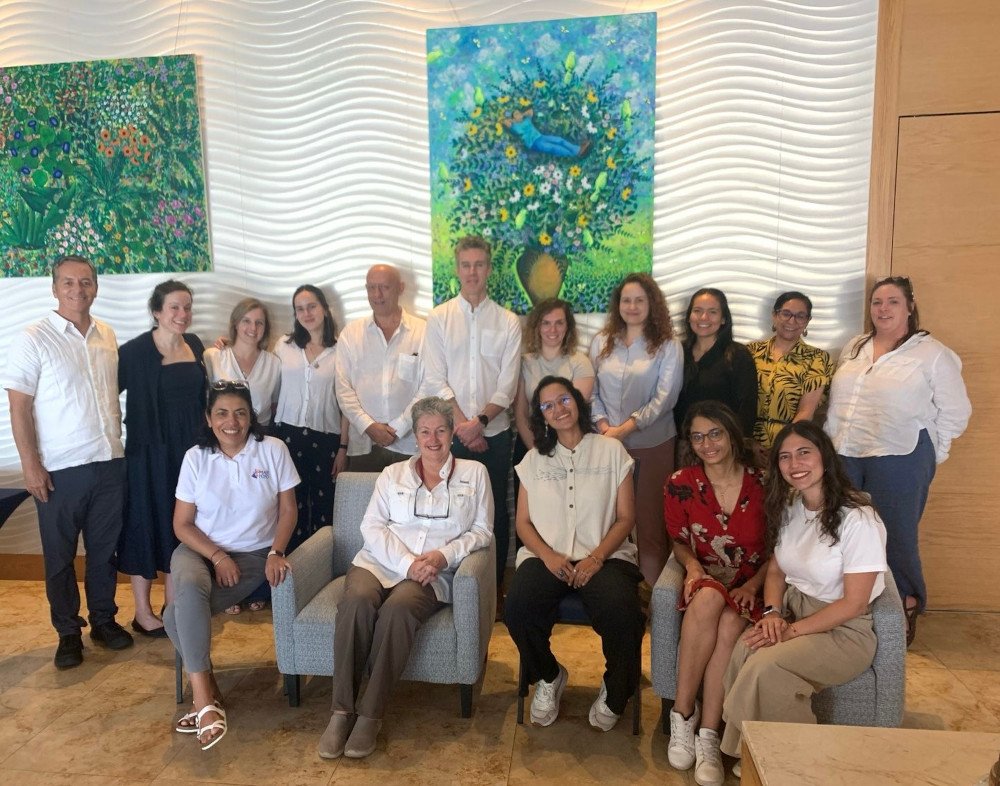
Participants on the first day of the site visit organized by MAR+Invest for UK DEFRA, the Blue Planet Fund, Bloomberg Philanthropies, the British Embassy in Mexico, and GFCR, Cancun, Mexico.
Photo: MAR+Invest
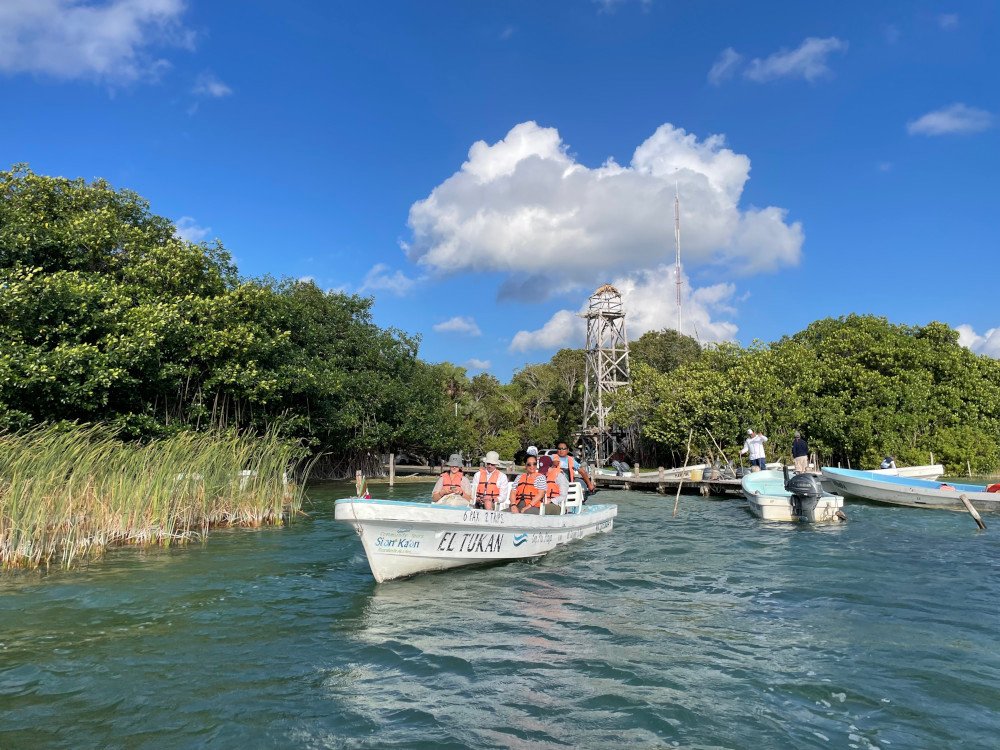
Photo: Judith Morales
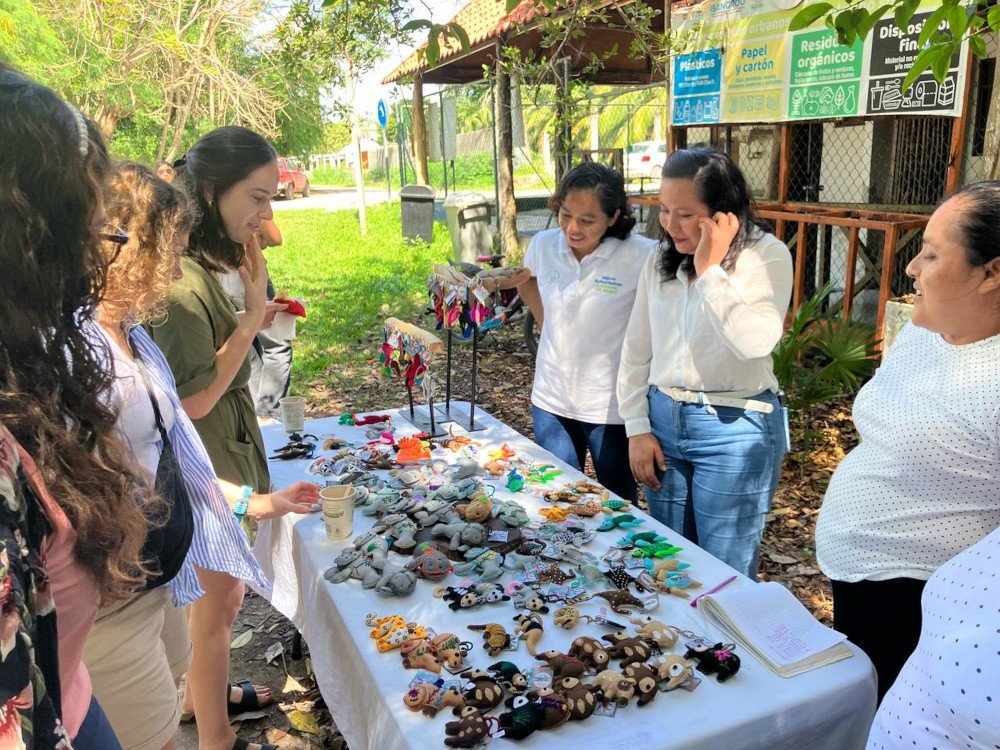
Meeting women’s group BioFauntásticas
Photo: Amy Jones
FLII 2025 in Mérida, Mexico.
Photo: New Ventures
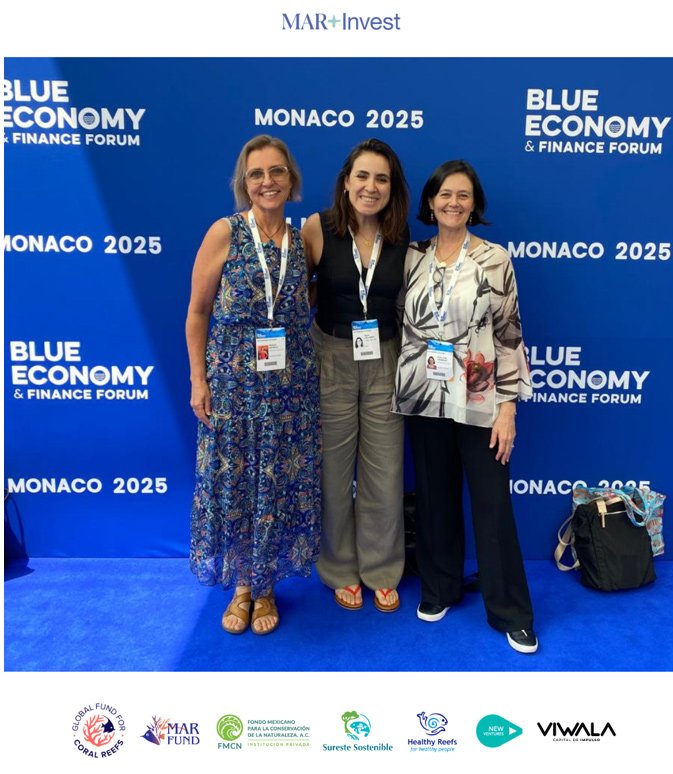
María José González (MAR Fund), Melanie McField (HRHP) and Karla Gallardo (Viwala) attending BEFF, Monaco, June 2025.
Photo: HRHP
Second Semester:
- The Caribbean Conservation Finance Congress 2025, held on July 30–31, convened experts to highlight the role of conservation trust funds in advancing global biodiversity targets under the Kunming-Montreal Global Biodiversity Framework 2030. Amy Jones, MAR+Invest Coordinator, presented insights on marine conservation finance in the MAR, emphasizing CMPAs and addressing climate change, overfishing, and wastewater pollution through blended finance and de-risking mechanisms. To watch the webinar, please click here.
- MAR+Invest participated in the Third International Forum on Blue Economy and Growth at Anáhuac Cancún University in August 2025, organized by the Mexican Institute for Sustainable Fisheries and Aquaculture Research (IMIPAS), where partners shared expertise on circular economy, blue finance, conservation, and restoration, and co-led a workshop on blended finance with COBI.
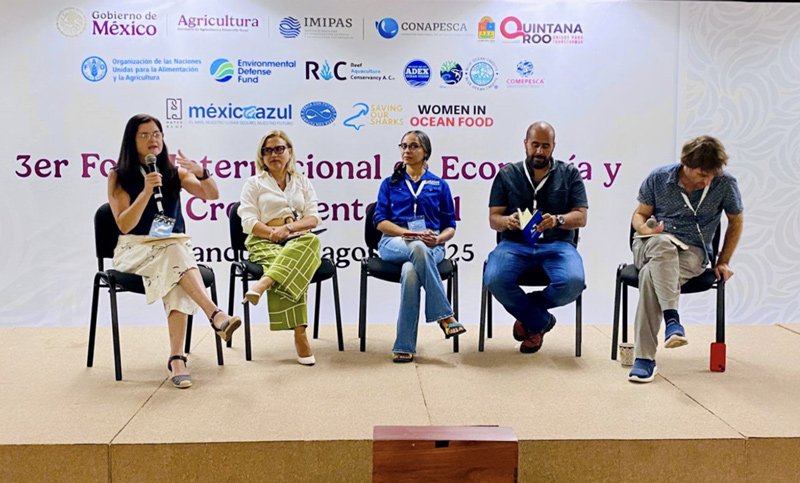
Blue Economy Forum in Cancun.
Photo: Sureste Sostenible.
Objective: To continue strengthening the leadership skills and networking opportunities of leading projects of the 2023 cohort and design of the 2025 cohort, focusing on addressing barriers to mobilize funding for Nature-based solutions through public policies and decision-makers.
- Build & Connect 2023 cohort strengthened five leaders and four projects through tailored mentoring in business, legal, financial, and market strategies, with selected participants expanding networks and engaging impact investors at FLII 2025.
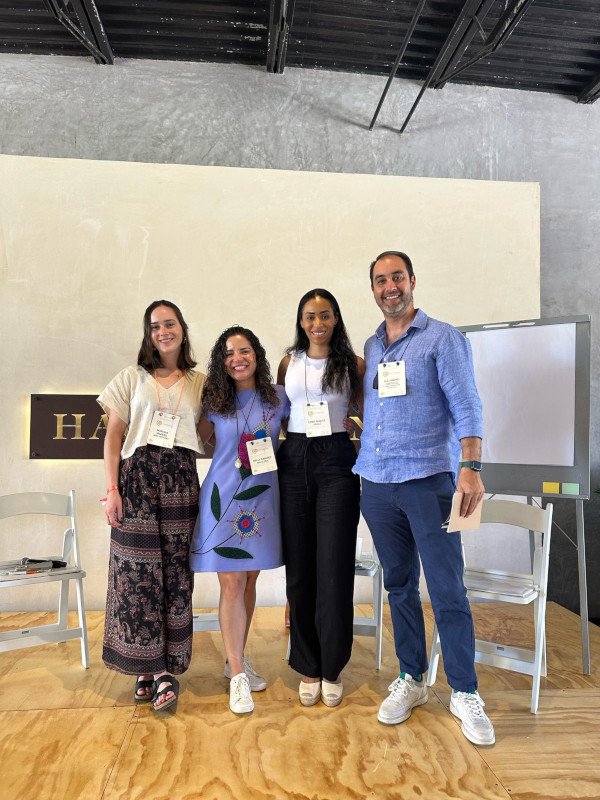
- The 2025 cohort was launched through a competitive process (28 applications; 15 selected), engaging public officials, legislators, and civil society leaders from the four MAR countries to develop policy proposals addressing barriers to reef-positive enterprises, and was successfully completed with 14 participants graduating and delivering proposals on water security, reef protection, gender in fisheries, legal reforms, and ecosystem services across the region.
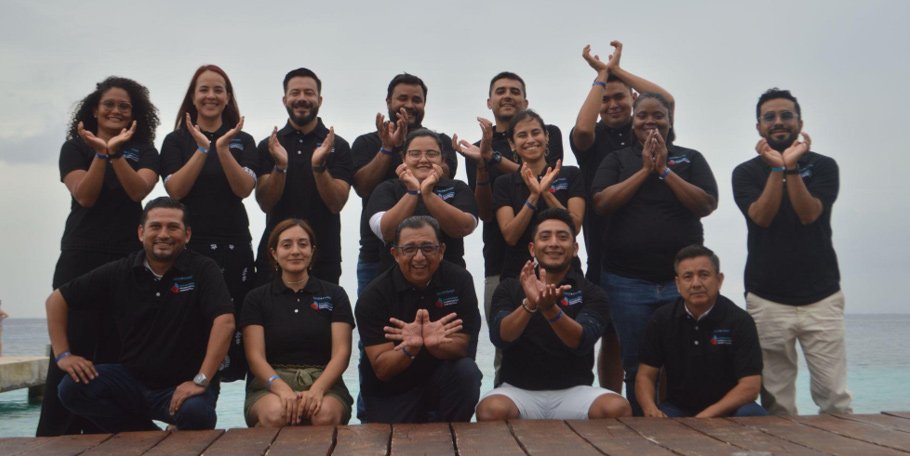
Leaders of Build & Connect 2025 Cohort
Photo: Sureste Sostenible
- MAR+Invest partners HRHP, Sureste Sostenible, and New Ventures participated in a national dialogue at the Senate of Mexico to advance a regional MAR agenda, presenting program progress and reinforcing the importance of science-based policy, strong legal frameworks, and multisector collaboration, strengthening commitment to reef conservation and positioning MAR+Invest as a leader in coordinated regional solutions.
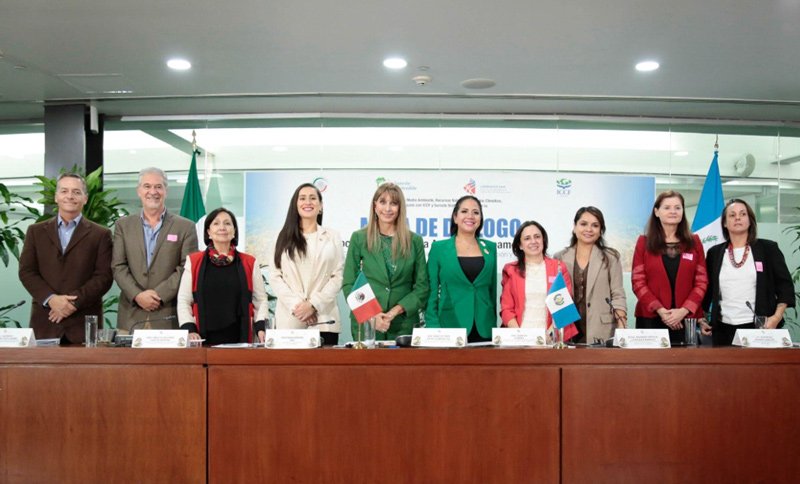
“Voices for the Mesoamerican Reef” Dialogue – Senate of Mexico, Mexico City. November 5, 2025
Photo: Senate of Mexico – Social Communications
Objective: Develop financial products tailored to the MAR reef positive ventures.
- In January, the first loan was approved for Terminator Water Solutions (TWS), supporting the deployment of the WOMBAT 1000 wastewater treatment system in Quintana Roo and future expansion to the United States and Belize, following strengthened impact indicators and safeguards through the Acceleration Program, with financing structured through blended GFCR concessional capital, private investment, and a guarantee fund.
- In July, a boutique hotel in Tulum secured a blended loan to install a wastewater treatment plant, demonstrating the effectiveness of this financing model and marking the first pilot of the Clean Water Fund to scale wastewater solutions in the hotel and construction sector.
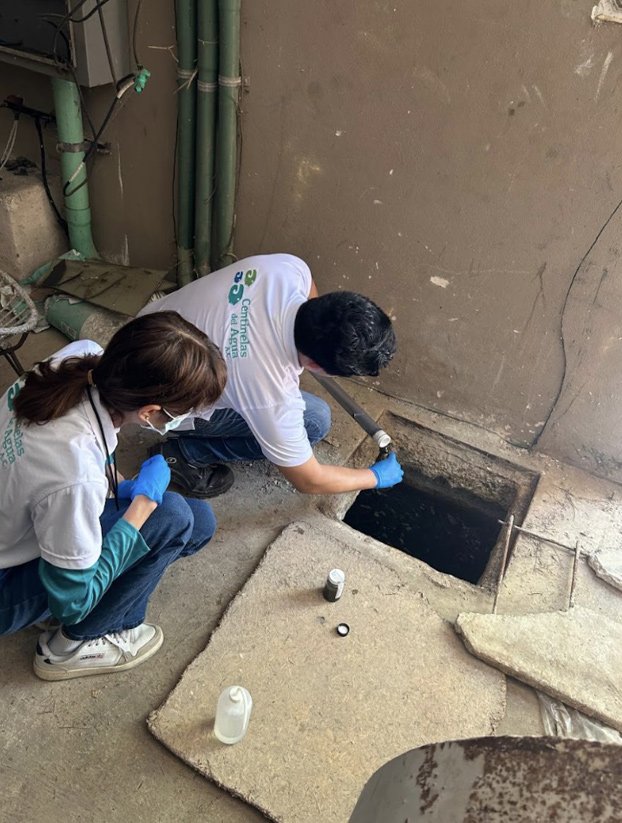
Photo: Centinelas del Agua.
Objective: The Acceleration Programme aims to strengthen early-stage and established reef-positive ventures in business and finance. The initiative aims to accelerate 6-8 projects in each cohort, with six cohorts during the MAR+Invest program.
- The 2024 Acceleration Program cohort supported seven ventures through group and individual mentoring, concluding in April 2025 with an in-person event in Puerto Morelos, Mexico, where entrepreneurs refined business models and delivered final pitches to regional stakeholders, strengthening market readiness and visibility.
- For the 2025 cohort, MAR+Invest launched its third call (May–July), engaging 14 early-stage ventures in a four-week bootcamp and selecting eight to join the program starting in October, representing Mexico, Belize, Guatemala, Honduras, and the UK, and spanning ecotourism, circular economy, waste management, water solutions, and sustainable products, with a six-month program led by New Ventures providing technical assistance, mentoring, and strategic networks.
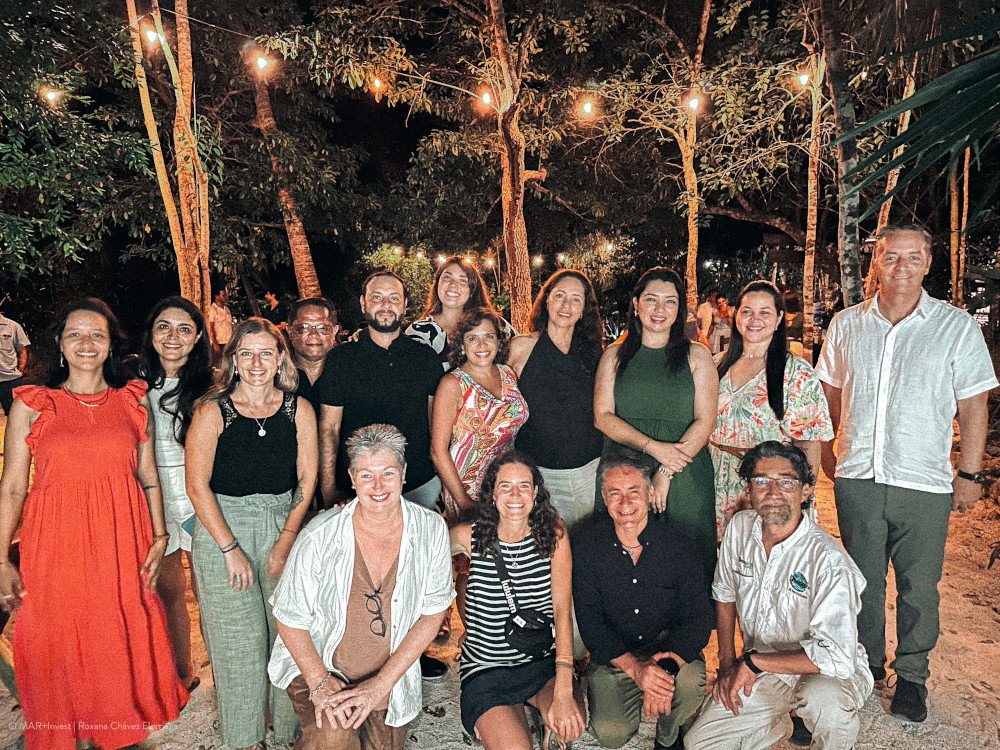
Objective: The Transactional Services is a financial service offered to reef-positive enterprises of MAR+Invest’s pipeline to support fundraising and mobilize private capital to the MAR region.
Transactional Services
- The Transactional Services team continued mapping reef-positive businesses across the MAR and supporting fundraising efforts, contributing to the mobilization of additional private capital in 2025, including BioPlaster, which closed its funding round to scale biodegradable products from sargassum; Reefy, which secured investment to launch a pilot marine infrastructure site in Quintana Roo; and Carbonwave, which mobilized further capital to expand its sargassum collection and upcycling operations.
Objective: Healthy reefs for healthy people (hrhp) are responsible for the monitoring and evaluation (m&e) of the mar+invest initiative.
- In Mexico, the King Crab mariculture project developed protocols for wild capture, breeding, hatching, and juvenile cultivation targeting carapace length, achieving a 28% increase in juvenile survival through optimized feeding, improved shelter design, and enhanced infrastructure such as the Individual Vertical System, while advancing the development of its business plan through specialized consultancy support.
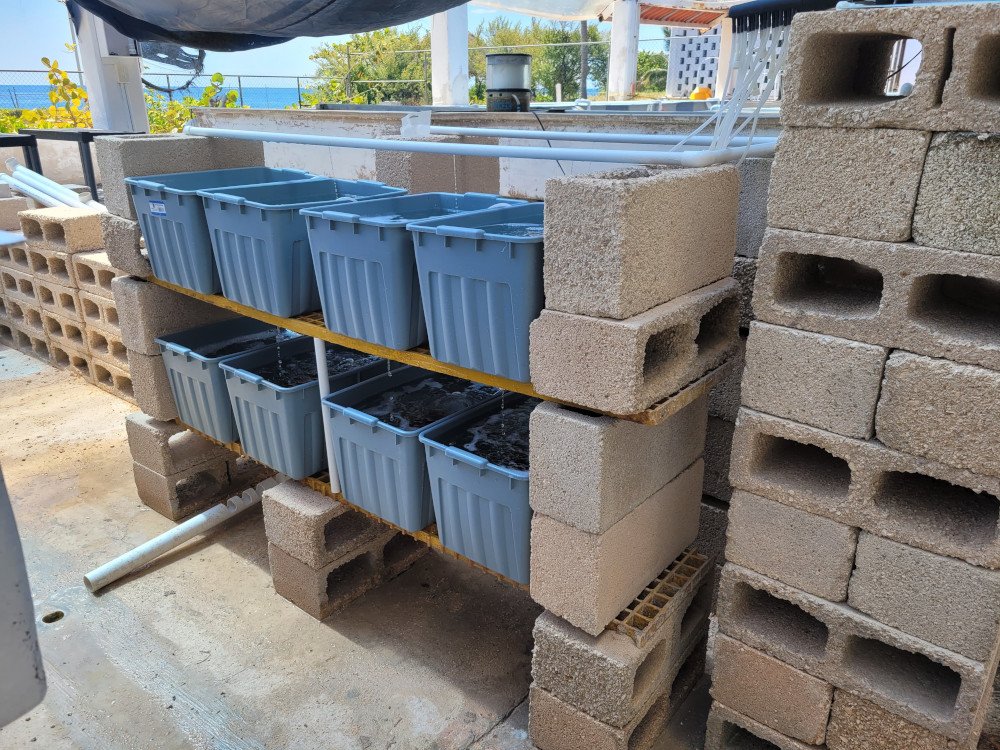
Photo: Sara Gutiérrez
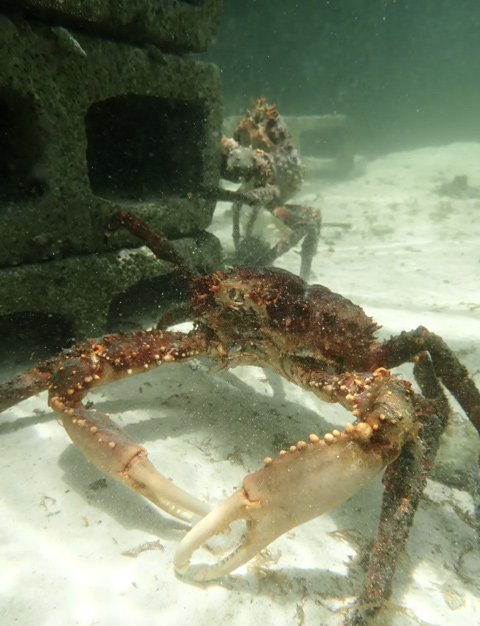
Photo: Sara Gutiérrez
Blending of Enterprise Development for Fisheries with De-risking Mechanisms in Honduras – GOAL
Implemented by GOAL with partners including Viwala and Willis Tower Watson (WTW), and funded by GFCR and the BRIDGE program, this project was completed in August, demonstrating a blended approach to strengthening small-scale fisheries in the Honduran Caribbean within the MAR region through capacity building, enterprise development, and de-risking financial mechanisms.
A total of 22 training sessions strengthened sustainable fishing practices, organizational capacity, and business management, reaching 945 community members, while Viwala designed a financial product combining small loans backed by a guarantee fund and parametric insurance developed by WTW, with a pilot to be launched across eight fishing associations in Honduras.
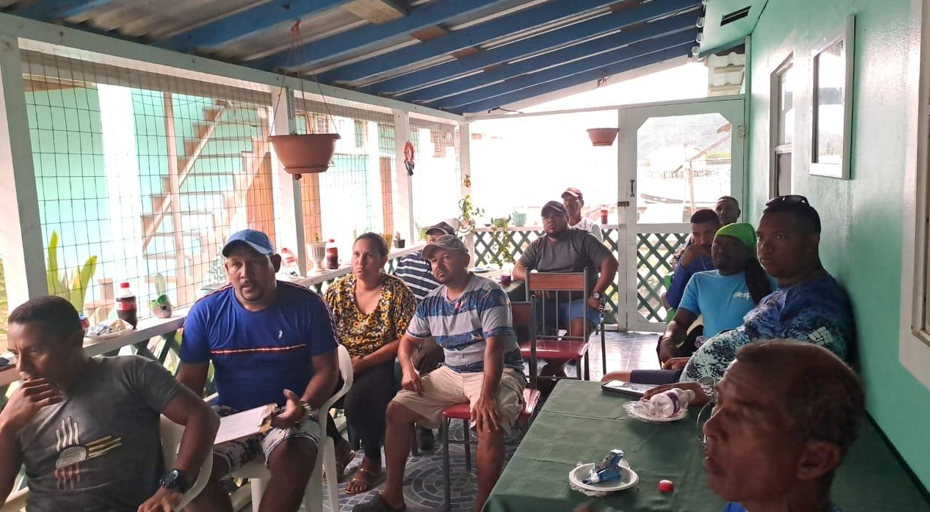
Photo: GOAL
MAR+Invest financed a Feasibility Study on Blue Carbon and Biodiversity Credits, implemented by the Mexican Carbon Program (PMC) and completed in 2025, confirming the financial, technical, and legal viability of developing blue carbon projects in the Mesoamerican Reef, identifying at least 11 high-potential sites for sustainable revenue generation and additional sites for medium-term development.
The study highlights the need for updated site-level data, risk-adjusted financial models, and compliance with legal frameworks, providing a roadmap to advance pilot projects, strengthen transparency and stakeholder participation, and support high-integrity blue carbon markets in the region.
Objective: To advance women’s economic opportunities and strengthen the health and resilience of the Mesoamerican Reef by identifying and supporting women-led ventures through targeted capacity building and business development.
First semester
Implementation focused on consolidating existing partnerships and initiating the expansion of the women-led ventures portfolio across the Mesoamerican Reef region
- Xcal’arte (Mexico): A technical session on lionfish biology, control strategies, and fin identification for jewelry (9 participants) built on the 2024 collaboration agreement. Members also received communications training. Support enabled equipment acquisition, increased production capacity, and establishment of a physical sales space in Xcalak.
- Mujeres BioFaunTásticas (Mexico): A specialized consultant facilitated five business planning sessions, defining short- and medium-term goals and identifying market opportunities. A gender-focused consultancy assessed barriers to women’s access to training, resources, and economic opportunities, followed by a leadership and empowerment workshop in Laguna Guerrero (13 participants: 7 women, 6 men). Support enabled acquisition of tools, materials, and a computer for production and online training.
- Regional mapping of women-led ventures with positive impacts in the health and resilience of the reef advanced significantly: over 60 ventures identified across the MAR; new collaboration agreements initiated across all four countries.
Second Semester
- Mexico: Seven ventures received tailored support to develop their business models through at least five CANVAS-based sessions each. Four received seed capital for materials. This was complemented by a three-day workshop in Chetumal, including AI tools, a consultancy to help identify the potential positive impacts of their initiatives on the health and resilience of MAR coastal and marine ecosystems, and training delivered by the Secretariat of Economic Development of Quintana Roo (SEDE). All ventures participated in SEDE’s “Mujeres Transformando,” with three selected for additional funding. Each venture also sent at least one representative to the Regional Exchange of Experiences in Guatemala.
- Regional Exchange of Experiences (Guatemala, December 2025): 12 women entrepreneurs from the four MAR countries participated in a two-day event focused on peer learning and capacity strengthening. They received training on the CANVAS model, safeguards, business pitching, among other topics. At the end of the second day participants presented their proposals to a jury composed of New Ventures, Alterna, and MAR Fund. Three
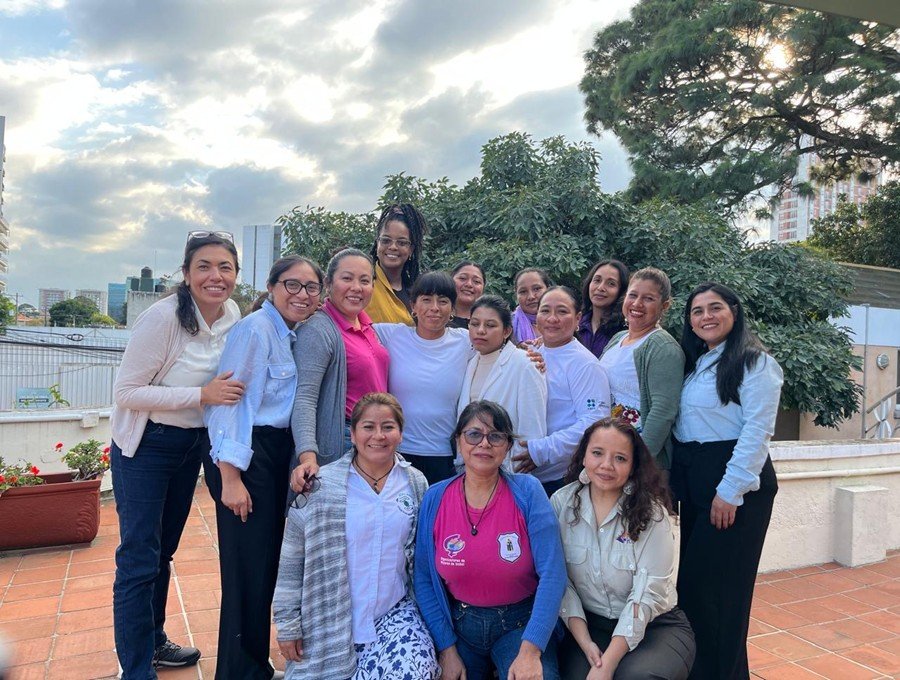
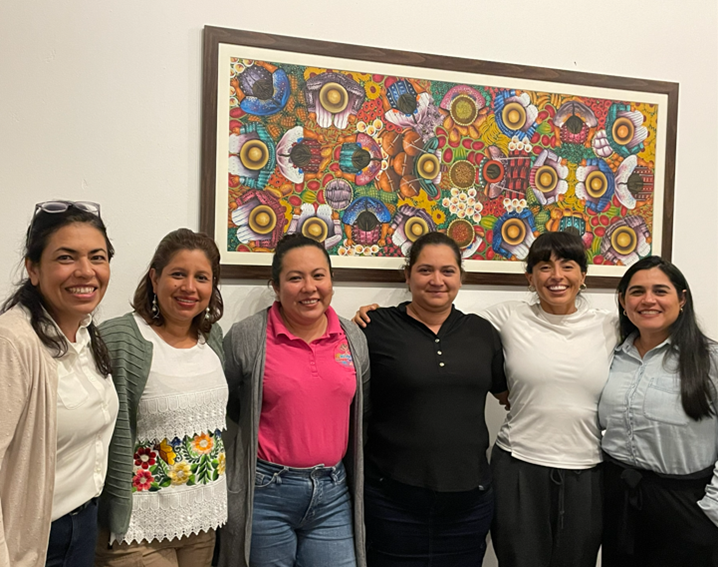
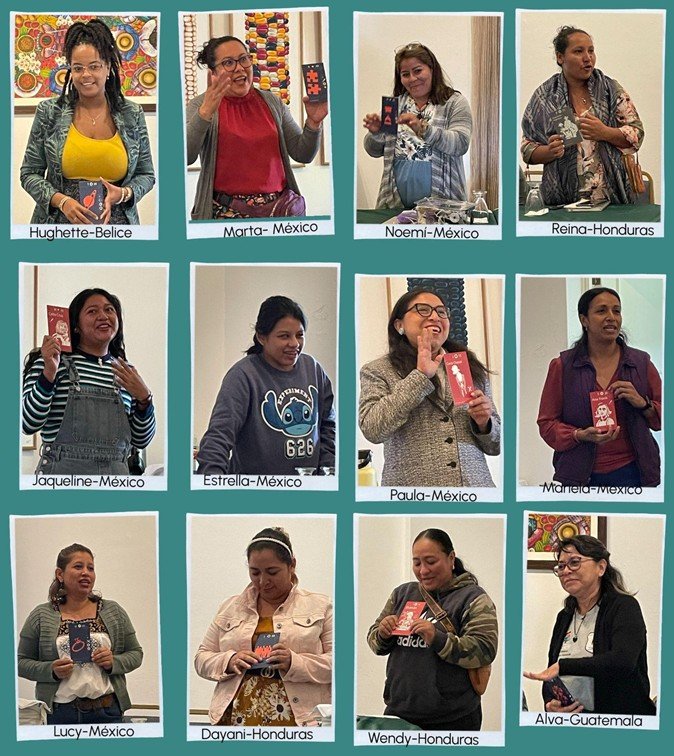
Photo: MAR Fund
México
Objective: To strengthen a community-based model that integrates marine conservation, citizen science, and traditional gastronomy, increasing women’s participation in sustainable livelihoods linked to the protection of the Sian Ka’an Biosphere Reserve.
Results:
- Recognition as the winner of the pitch competition at the Regional Exchange; the prize funded the installation of a photovoltaic system in Punta Allen, where access to electricity is limited.
- This project was selected for SEDE “Mujeres Transformando” (training + seed capital + point-of-sale terminal), as one of three ventures awarded through Women for the MAR.
- Participation in national and international networks, including Slow Food and Destino Maya Ka’an was expanded, with support from local and regional organizations.
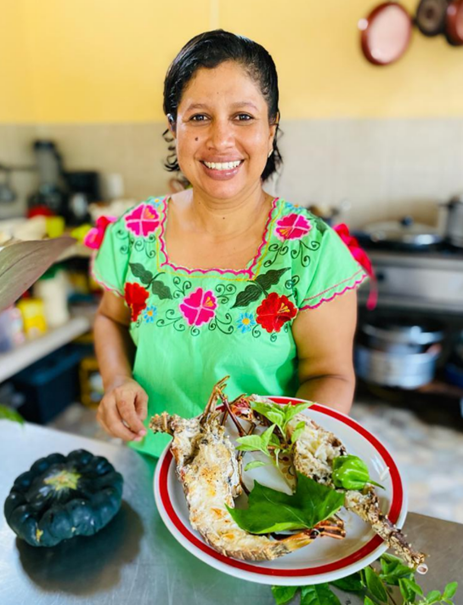
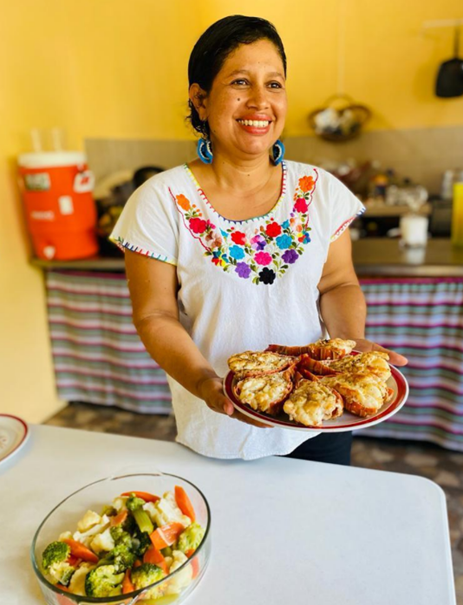
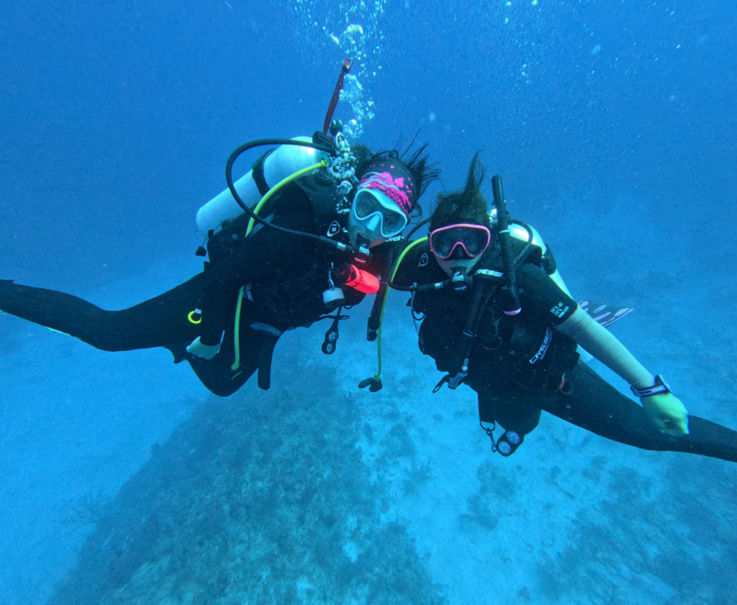
Photo: Cocina Lucy
Objective: To develop an inclusive, women-led nature tourism model that combines birdwatching, environmental education, and accessibility for people with disabilities in Sian Ka’an Biosphere Reserve.
Results:
- A brand identity and business model were defined, transitioning the initiative from an early-stage idea to a structured CANVAS.
- Braille materials were developed to support inclusive birdwatching experiences.
- Basic digital skills were acquired, including the use of a computer and the preparation of written reports.
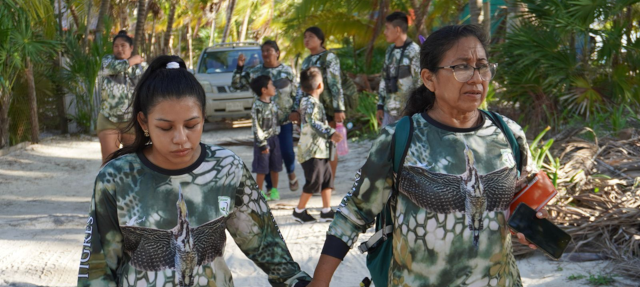

Photo: Hilda Vela
Objective: To strengthen a youth-led artisanal venture by integrating environmental education and local biodiversity into product design and visitor engagement.
Results:
- Seed capital was received and they advanced steps toward business formalization and brand registration
- Environmental education content linked to products (QR codes, species information) was developed.
- Diversification of activities such as bird monitoring and community-based monitoring were started.
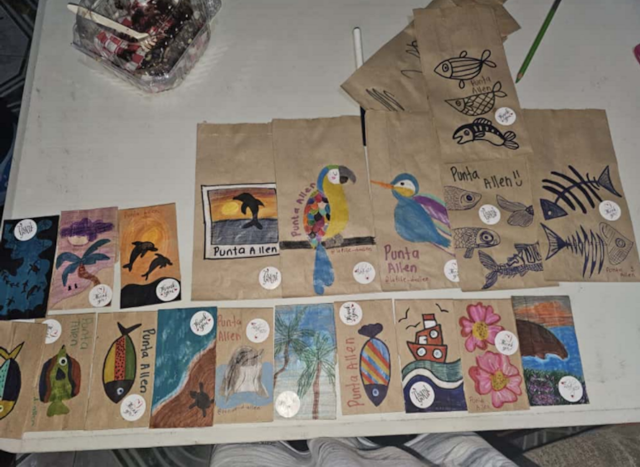
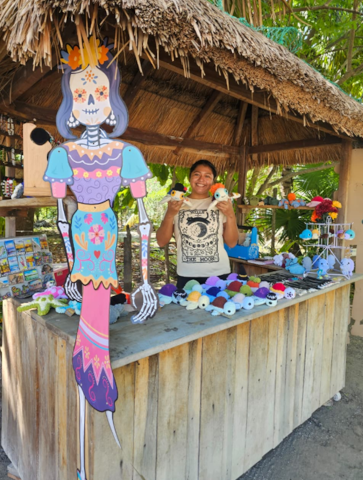
Photo: Hilda Vela
Objective: To consolidate a women-led community tourism cooperative that generates sustainable income while promoting environmentally responsible practices in a remote coastal territory.
Results:
- Branding (5 logo proposals) and digital/AI skills were improved.
- Operation of lodging, food services, and bay tours in Punta Herrero were continued, integrating solar energy use, rainwater collection, and reduced plastic consumption
- Organization of the Punta Herrero Lobster Festival with support from government institutions and civil society
- Participation in eco-gastronomic and conservation events in Maya Ka’an
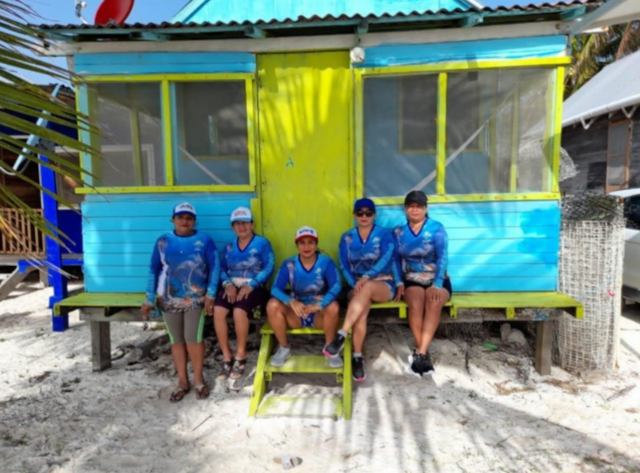
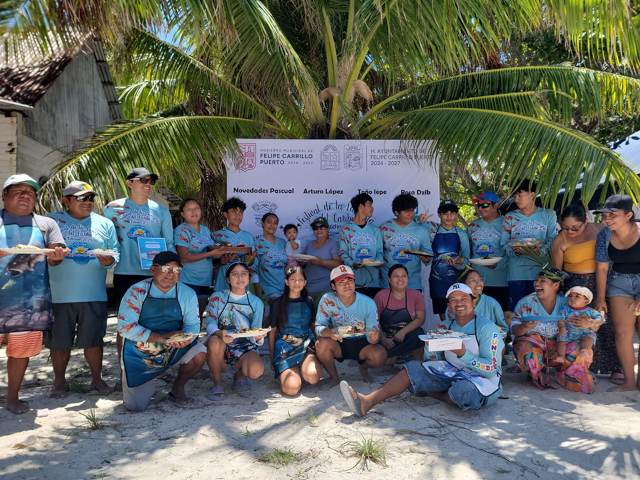
Photo: Mariela Gómez
Objective: To scale a circular economy venture that transforms waste into value-added products, integrating environmental awareness and community-based solutions in a high-pressure tourism context.
Results:
- Seed capital and “Hecho en Quintana Roo” certification were received.
- Participation in an additional value chain strengthening program delivered by Mayma, a partner organization, on topics such as marketing, costs, and communication.
- A new product line integrating beach cleanup activities and upcycled jewelry is in development
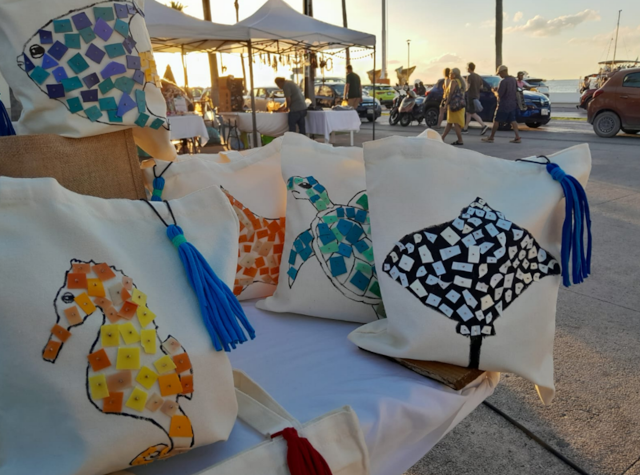
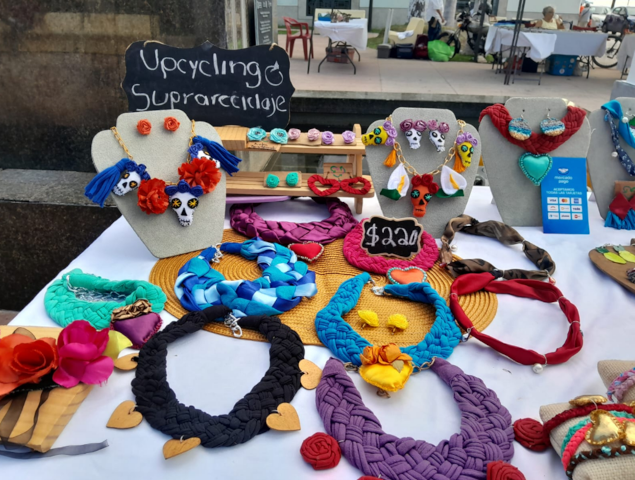
Upcycled products on display for sale
Photo: Paula Sabido
Objective: To strengthen a women-led social enterprise that combines environmental education and artisanal production to promote conservation of the Mesoamerican Reef and surrounding ecosystems.
Results:
- Recognition as the winner of the pitch competition at the Regional Exchange; the prize funded the purchase of uniforms, materials for handicraft production, and a camera trap for monitoring activities.
- Selection for SEDE “Mujeres Transformando” (training + seed capital + point-of-sale terminal), as one of three ventures awarded through Women for the MAR.
- Sustained participation in fairs, forums, and academic events across Quintana Roo
- Environmental education activities were expanded.
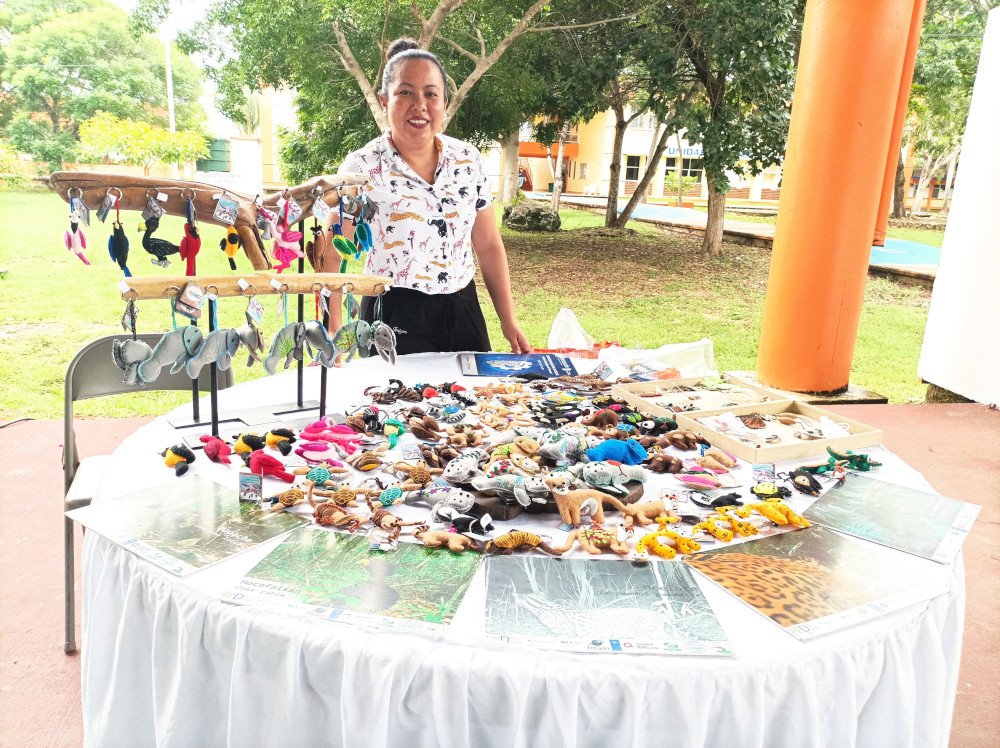
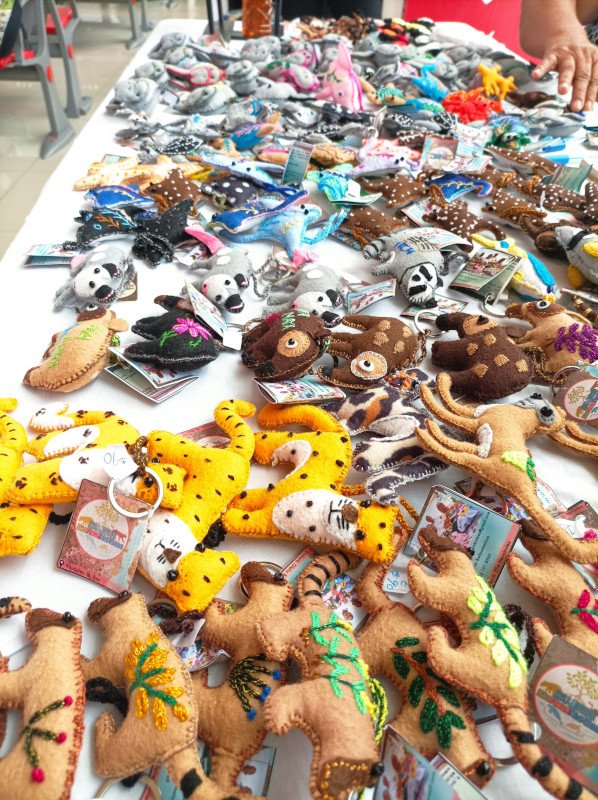
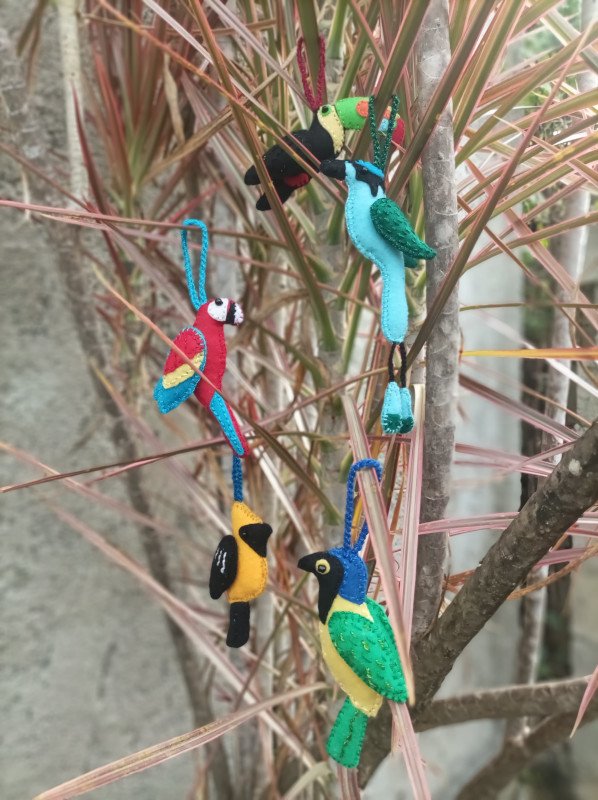
Sale of handcrafted animalitos biofauntásticos
Photo: Mujeres BioFauntásticas
Objective: To expand a women-led artisanal venture that transforms invasive lionfish fins into jewelry, contributing to reef conservation.
Results:
- Project selected for SEDE “Mujeres Transformando” (training + seed capital + point-of-sale terminal), as one of three ventures awarded through Women for the MAR.
- Seed capital and “Hecho en Quintana Roo” certification was received.
- Participation in national and international sales and exhibition spaces.
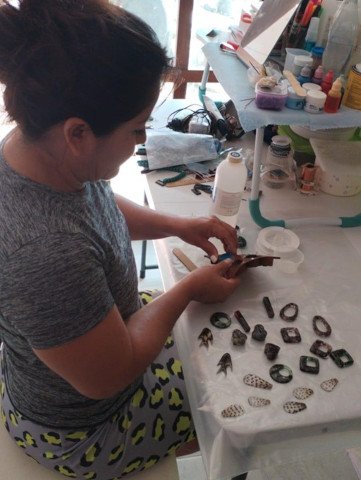
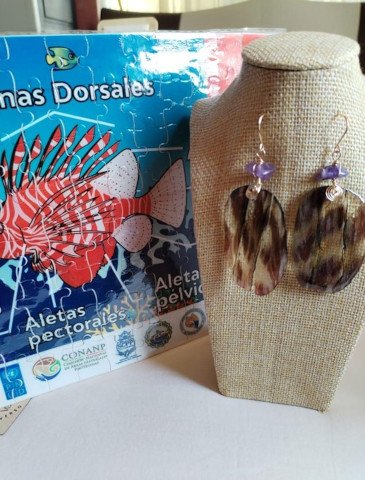
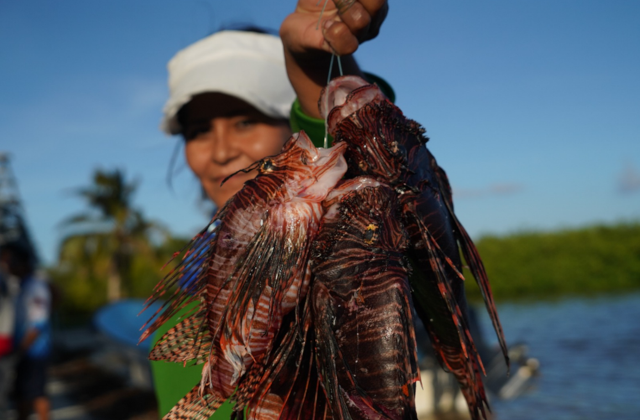
Lionfish jewelry created
Photo: Xcal’arte
Belize
Objective: To strengthen a women-led venture producing reef-safe personal care products by improving production capacity, formalization, and supply of organic raw materials.
Results:
- The business was re-registered, enabling access to financing, training, and partnerships
- Productive capacity was restored and expanded through investment in crops (aloe, rosemary) and inputs
- New product lines were developed, including hair care products
- The organic farm was strengthened, improving supply of raw materials for continuous production
- Positioning was reinforced in the organic cosmetics market and new regional collaboration opportunities were initiated
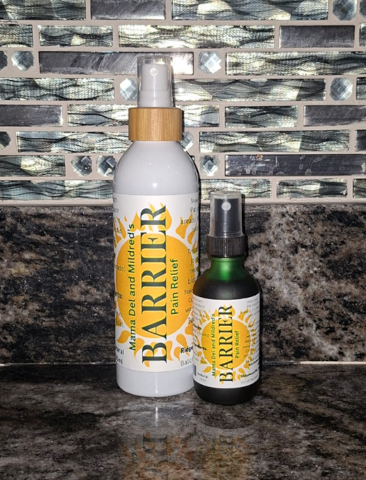
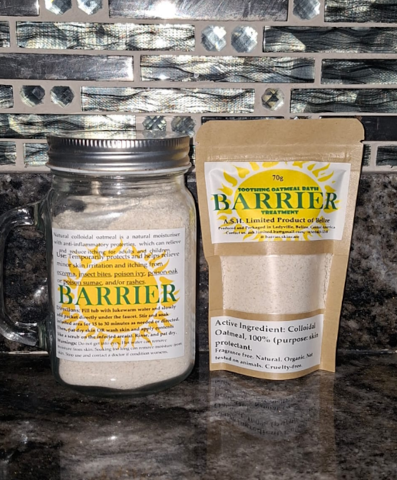
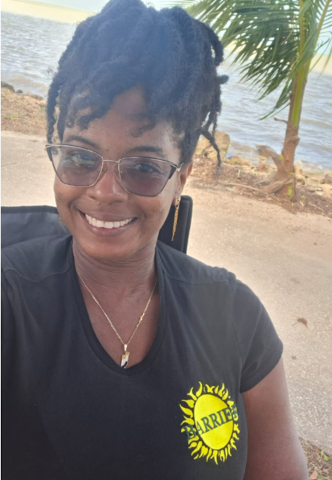
Photo: Hughette Saul
Guatemala
Objective: To strengthen a women-led collective that produces soap from recycled cooking oil, linking circular economy with women’s economic empowerment.
Results:
- Legal registration achieved, establishing a formal organizational structure.
- Production capacity was increased through the acquisition of equipment, improving efficiency.
- Soap-making workshops were delivered with women leaders in local communities, strengthening technical skills.
- Contribution to reduction of water contamination in the Amatique Bay by preventing used cooking oil and animal fats from being discharged into water sources.
- One participant attended the Regional Exchange of Experiences in Guatemala.
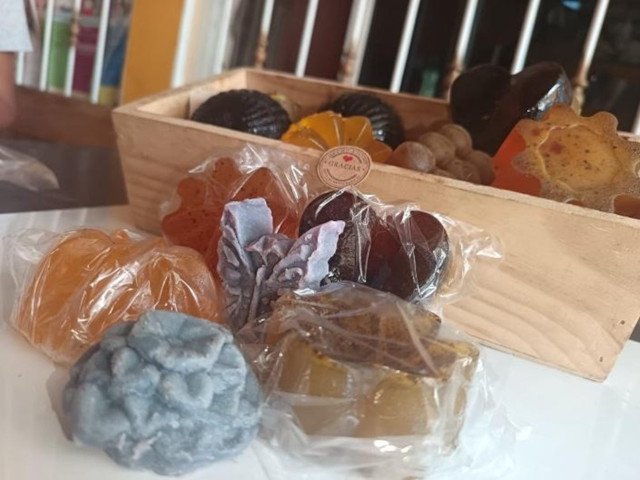
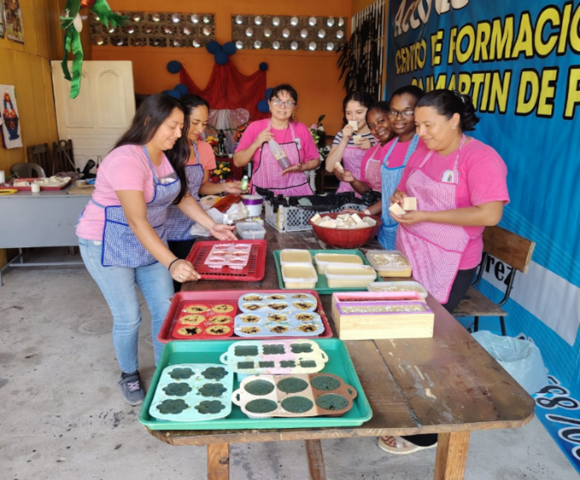
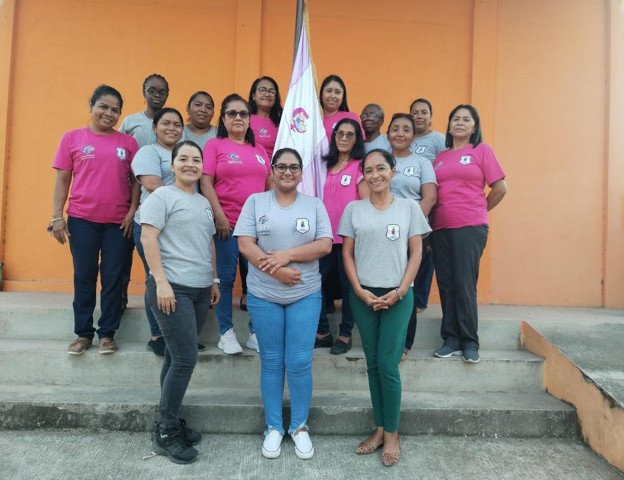
Photo: Alva Batres
Honduras
Objective: To strengthen the participation of women in artisanal fisheries value chains through technical training, organizational support, and improved access to equipment.
Results:
- Equipment was provided to Pescadería La Bendición and Pescadoras de Chivana, improving product conservation and commercialization.
- Technical capacities were strengthened through training in the food safety and fisheries value chain (41 women reached).
- Women improved product handling, quality control, and understanding of market dynamics.
- Leadership and communication skills were strengthened, including pitch development.
- Two women leaders participated in the Regional Exchange in Guatemala; one received a pitch award and used the funds to purchase a freezer and equipment for the fish shop.
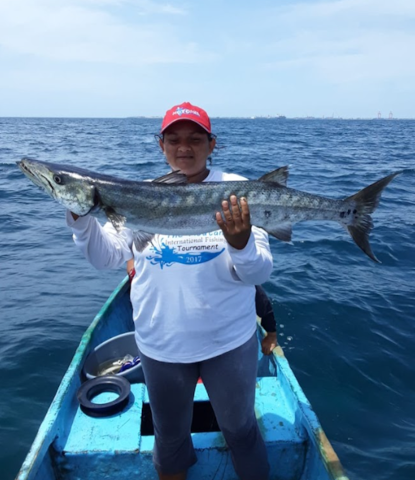
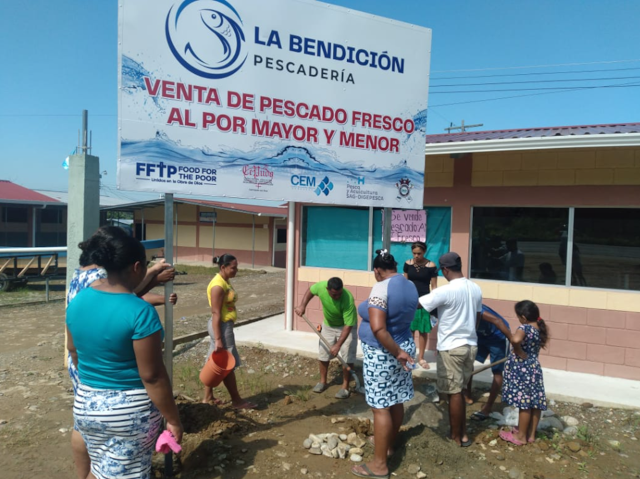
Photo: Sandra Cárdenas
Objective: To strengthen the role of Garífuna women in sustainable fisheries by developing a business model, building capacities, and improving market access.
Results:
- Twenty Garífuna women were trained in sustainable fishing, resource management, and entrepreneurship.
- A business plan was developed for the Lila Barawa venture, including market, financial, and operational components.
- Two community-based sales points were identified, strengthening direct commercialization.
- Strategic alliances were activated with local, regional, and international organizations (RARE, REMBLAH, ICF, among others).
- Women strengthened their role in fisheries value chains, including commercialization and environmental actions.
- Increased participation in decision-making and local resource management processes.
- One participant attended the Regional Exchange of Experiences in Guatemala.
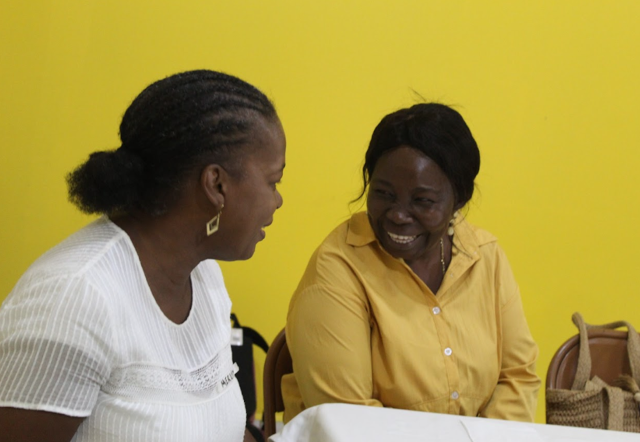
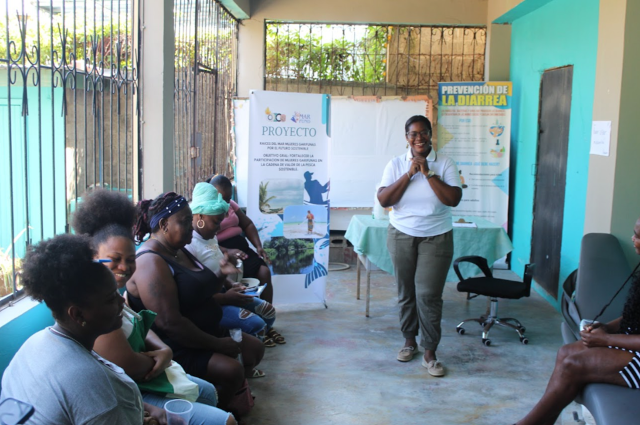
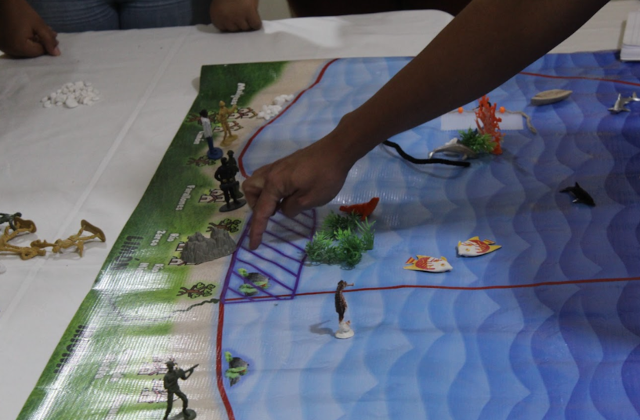
Garífuna women participating in sustainable fishing trainings
Photo: Darwin Álvarez
Photo: Martin Leglize
The work carried out in this term has been made possible by the support of donors.
We are grateful for their trust and continued generosity.


Photo: Blanca Quiroga
Followers on Facebook
Followers on Instagram
Followers on BlueSky
Views on YouTube
Followers on LinkedIn
ENGLISH:
- Women Entrepreneurs of the Mesoamerican Reef Strengthen Triple‑Impact Initiatives
- Nine Selected Projects will Drive Local Solutions for Conservation in the MAR
- MAR Fund participates in the Salzburg Global Seminar on Building Resilient Communities
- Innovative Financing for Coral Reef Protection, Repair, and Restoration in San Andrés, Providencia and Santa Catalina, Colombia
- RedLAC 2025 Congress: A Space for Conservation and Sustainable Finance
- MAR Fund Shares Key Learnings at the Global Closing Workshop of the UNDP-AFCIA Climate Innovation Accelerator
- Strengthening Leadership and Scaling Nature-Based Solutions: MAR-Leadership Build & Connect 2023
- The MAR Insurance Programme enters its fifth year, advancing climate resilience across the Mesoamerican Reef
- Mexico commemorates 20 years of MAR Fund’s work for regional marine conservation
- Making Waves: How SACD’s “River-to-Reef” Expeditions Are Transforming Conservation and Community in Northern Belize
- Stronger Together: Reef Response Training Builds Regional Capacity in Belize
- Strengthening Regional Capacities: Post-Storm Reef Response Brigade Course in Guatemala’s Caribbean
- Training and coordination for effective implementation: Initial Workshop for the selected proposals of the 2nd Call of Phase III
- The Mesoamerican Reef at the Forefront of the Global Dialogue for the Oceans
20 Years Building a Legacy - Dive the wave of change! MAR+Invest Acceleration Programme 2025
- Celebrating 20 Years of Mesoamerican Reef Conservation
- Deepwater Snappers and Groupers of Mesoamerica
SPANISH:
- Nueve proyectos seleccionados impulsarán soluciones locales para la conservación en el SAM
- Mujeres por el SAM impulsa intercambio de emprendimientos con triple impacto
- IWIC 2025: Impulsando el liderazgo de las mujeres en la conservación del SAM y el Gran Caribe
- Guatemala Megadiversa: Un espacio para alianzas en favor de la conservación
- Finanzas para la biodiversidad: una conversación necesaria para asegurar el futuro de las áreas protegidas
- Áreas protegidas marino-costeras del SAM comparten experiencias y tecnologías innovadoras para mejorar el control y la vigilancia
- Intercambio de experiencias binacional fortalece la vigilancia y la cooperación entre áreas marino-costeras de México y Belice
- Mujeres del SAM: emprendimientos que conservan el Caribe mexicano
- Financiamiento innovador para la protección, reparación y restauración de los arrecifes de coral en San Andrés, Providencia y Santa Catalina, Colombia
- Congreso RedLAC 2025: Un espacio para la conservación y las finanzas sostenibles
- MAR Fund comparte aprendizajes en el Taller Global de Clausura del Acelerador de Innovación Climática de UNDP-AFCIA
- Celebrar para Recordar, Construir para Trascender: 20 Años de MAR Fund
- México conmemora 20 años de trabajo de MAR Fund por la conservación marina regional
- Acciones conjuntas impulsan la protección de Cayos Cochinos y sus comunidades
- Enfoque de género: Participación y justicia social en territorios rurales
- Juntos y más fuertes: La capacitación en respuesta a los arrecifes crea capacidad regional en Belice
- Ciencia, comunidad y colaboración en el III Simposio Nacional de Manglares
- Fortaleciendo la capacidad regional: Curso para brigadas de respuesta post tormenta para arrecifes en el Caribe de Guatemala
- MAR Fund
- El Arrecife Mesoamericano presente en el diálogo global por los océanos
- Inversión con enfoque de género para una economía regenerativa en el SAM
- Celebración en Guatemala: 20 Años construyendo un legado
- Celebrando 20 años de alianzas, impacto y un futuro sostenible
- ¡Súmate al Programa de Aceleración MAR+Invest edición 2025!
- Programa de Pequeñas Donaciones y Bosques & Co: ampliando el impacto en ecosistemas marinos
- Capacitan y certifican a 15 nuevos brigadistas y 3 instructores en Mahahual, Quintana Roo
- Capacitación en respuesta post-tormenta concluye con 17 nuevos brigadistas listos para actuar en el Caribe de Honduras
- Celebrando 20 años de conservación del Arrecife Mesoamericano
- MAR Fund participa en la 112ª reunión del Consejo de la UICN
- Restauración Coralina en Akumal: Un enfoque comunitario hacia la sostenibilidad de los servicios ecosistémicos de los arrecifes
- DECEMBER: Water Quality in Cayos Cochinos: Results and Lessons Learned
- NOVEMBER: ECOME: Lessons and challenges of regional fish recruitment monitoring in the MAR
- OCTOBER: Women for the MAR: from conservation to entrepreneurship
- SEPTEMBER: Innovative experiences in control and surveillance activities in the MAR CMPAs
- JULY: Wealth Untold: A conversation with women protecting the Reef
- JUNE: Fish Spawning Aggregations in the MAR: Current Status and Recommendations
- MAY: Join the MAR+Invest Acceleration Programme!
- APRIL: Ecological risk assessment of the nearshore deepwater fisheries of the MAR Region
- MARCH: Innovative risk financing approaches to enhance ecosystem resilience along the Caribbean´s coastlines
- FEBRUARY: Water Quality in the MAR and Sanitation Initiatives in Honduras
- JANUARY: Building Resilience for Coral Reefs in the Caribbean

Address:
22 avenida 0-59, Zona 15 Vista Hermosa II
Guatemala, C.A. 01015
Phone: +(502) 2369-3188
Phone: +(502) 2369-1978
Email: info@marfund.org
Website: https://marfund.org/